Most people think storing camping gear means shoving a damp tent into a plastic bin and calling it done. That tent will smell like mildew by spring. The sleeping bag will lose its loft. The stove will clog with dried fuel residue. I ruined a $400 MSR tent my second year of camping because I packed it wet and left it in the garage for eight months. The fabric delaminated, the zippers corroded, and the floor developed a permanent sour smell no amount of scrubbing could fix. That mistake cost me a tent. And it taught me that camping gear storage is not an afterthought — it’s the difference between gear that lasts five years and gear that lasts one season.
Why Your Current Storage Method Is Probably Destroying Your Gear
The biggest enemy of camping equipment is moisture. Not dirt, not UV light, not even mice. Moisture. When you pack a tent or sleeping bag after a trip, even if it feels dry to the touch, microscopic water molecules are trapped in the fabric fibers and insulation. Sealed inside a stuff sack or plastic bin, that moisture creates a perfect environment for mold, mildew, and bacterial growth.
Mildew doesn’t just smell bad. It breaks down the waterproof coating on tent flys, degrades the elastic in shock-corded tent poles, and causes down feathers in sleeping bags to clump together and lose their insulating ability. A down sleeping bag stored compressed for months will lose up to 30% of its loft permanently. That means a bag rated for 20°F will feel like 35°F.
Heat is the second killer. Attics, car trunks, and uninsulated sheds can hit 140°F in summer. That temperature degrades polyurethane coatings on tent floors, melts seam tape, and ruins the elasticity of bungee cords and tent pole connectors. A tent stored in an attic for one summer will have a noticeably shorter lifespan than one stored in a closet.
Mice and insects are the third threat. Tents and sleeping bags stored in garages or sheds are prime nesting material for rodents. They chew through mesh, rip holes in rainflys, and leave droppings that carry hantavirus. I’ve seen a $600 sleeping bag turned into a mouse nest in three weeks.
The fix is simple: dry everything completely, store loosely, and keep it cool and dark. But the details matter. Here’s exactly how to do it.
The Three-Step Drying Process Before Any Storage
This is non-negotiable. If you skip this step, everything else is wasted effort.
Step 1: Air-Dry Everything for 24 Hours Minimum
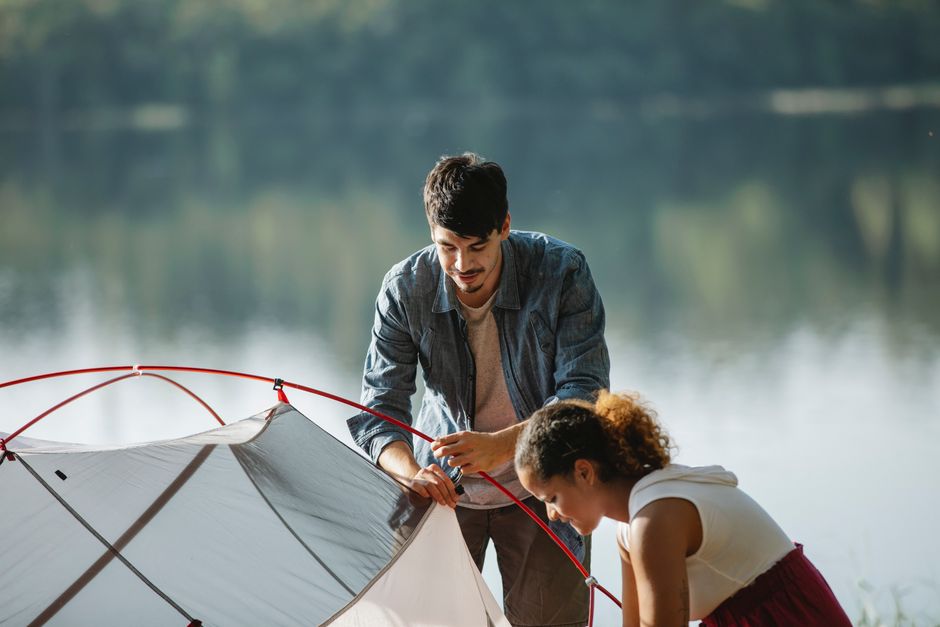
After your trip, set up your tent in the backyard, hang it on a clothesline, or drape it over a shower rod. Do not stuff it back in the bag until it’s bone dry. If it rained during your trip, turn the tent inside out and wipe down the floor with a clean towel before airing. The fly and footprint also need separate drying time — don’t stack them together.
For sleeping bags, unzip them fully and hang them over a wide clothes hanger or lay them flat on a drying rack. Down bags need at least 48 hours of airing. Synthetic bags dry faster, usually 24 hours. Never hang a sleeping bag by the foot box — it stretches the baffles and damages the internal structure.
Step 2: Spot Clean Before Storing
Dirt and sweat attract bugs and accelerate fabric degradation. Mix a mild soap like Nikwax Tech Wash or a diluted solution of Dr. Bronner’s Castile soap with cool water. Use a soft sponge to gently scrub mud off tent floors, zipper tracks, and pole sleeves. Rinse thoroughly with a hose or in a bathtub. For sleeping bags, follow the manufacturer’s washing instructions — most down bags can be machine-washed on a gentle cycle with specialized down wash, then dried on low heat with clean tennis balls to restore loft.
Step 3: Inspect for Damage
While everything is clean and dry, check for small tears, broken zippers, bent pole sections, and missing stakes. Fix them now, not the night before your next trip. A tiny pinhole in a tent floor becomes a gaping tear after one more use. A bent pole section can snap in high wind. Repair tape, pole splints, and replacement zipper sliders cost under $10 and save you from buying new gear.
How to Store Each Piece of Gear (With Exact Methods)
Different materials need different storage conditions. Here’s the breakdown for the four most expensive items in your kit.
| Gear Item | Storage Container | Temperature Range | Key Rule |
|---|---|---|---|
| Tent (body + fly + poles) | Large cotton mesh bag or pillowcase | 50–75°F | Never store in the stuff sack — it compresses the fabric and traps moisture |
| Sleeping bag (down or synthetic) | Large cotton or mesh storage sack (usually comes with the bag) | 50–75°F | Never store compressed in the stuff sack — hang loosely or lay flat |
| Camping stove | Plastic bin with lid (vented) | 50–90°F | Remove fuel canister and burn off residual fuel before storing |
| Sleeping pad (inflatable) | Large mesh bag or loosely rolled | 50–80°F | Store partially inflated to prevent foam creasing; keep away from sharp objects |
Tents: The MSR Hubba Hubba ($450) and Nemo Equipment Dagger ($500) both come with compression stuff sacks for transport, but those sacks are not for storage. Buy a large cotton drawstring bag from a fabric store for $5 and store your tent loosely. Fold the tent body and fly separately, and place pole sections in a separate tube. This prevents creasing and lets air circulate.
Sleeping bags: The Therm-a-Rest Questar ($350) and Sea to Summit Ascent AcII ($400) both include oversized cotton storage sacks. Use them. If you lost yours, any large pillowcase works. Never, ever leave a sleeping bag in its compression sack longer than the duration of a trip. The constant pressure crushes the insulation fibers and reduces loft permanently.
Stoves: The MSR PocketRocket 2 ($45) and Jetboil Flash ($85) need special care. After each trip, run the stove for 30 seconds to burn off residual fuel in the line. Wipe the burner head with a dry cloth. Remove the fuel canister — never store a stove with a canister attached. Fuel canisters leak slowly over time, and the escaping gas corrodes the stove’s O-rings and valve mechanism. Store canisters in a cool, dry place away from heat sources.
When NOT to Use a Plastic Bin (And What to Use Instead)
Plastic storage bins seem like the obvious solution. They’re cheap, stackable, and keep out dust and bugs. But they have a critical flaw: they trap moisture. Even if your gear is perfectly dry when you pack it, temperature changes inside the bin cause condensation. Warm air hits the cold plastic lid and water droplets form on the inside. Those droplets soak into your tent fabric, and within a few weeks, you have mildew.
If you must use a plastic bin, drill 8–10 small holes in the sides and lid for ventilation. Line the bottom with a layer of silica gel desiccant packs (the kind that come with shoes) and replace them every three months. Or better, use a breathable container like a canvas duffel bag, a cotton storage sack, or a wooden chest with slatted sides.
For the same reason, avoid vacuum-sealing bags for camping gear. Vacuum bags remove air and compress the contents, which destroys insulation in sleeping bags and creates a perfect anaerobic environment for mold spores. Vacuum sealing is for winter clothes storage, not camping gear.
A better alternative: the Sea to Summit Ultra-Sil Dry Sack ($25–$40) is great for transport but not for long-term storage because it’s waterproof on both sides — moisture stays trapped inside. Instead, use the same brand’s Event Dry Sack ($35–$50), which is waterproof but breathable. It lets moisture vapor escape while keeping liquid water out.
Long-Term Storage: Seasonal Gear Rotation and Location
If you camp only in summer, your winter camping gear needs a different storage plan. Same for the opposite. Here’s how to rotate gear seasonally.
Summer gear: Store tents, sleeping bags rated above 20°F, and three-season sleeping pads in a cool, dry closet or under-bed storage. Keep them in breathable containers. Check them every three months — unzip the tent, fluff the sleeping bag, and let everything air out for a day. This prevents fabric from setting in creases and lets you catch any moisture issues early.
Winter gear: Four-season tents, expedition sleeping bags (rated 0°F or lower), and insulated pads need extra care. The thicker insulation in winter bags is more prone to compression damage. Store winter bags in the largest possible container — a 60-liter cotton duffel is ideal. Four-season tents have heavier fabric and more pole sections; make sure every pole is dry before storage, especially the aluminum ferrules where corrosion starts.
Best storage location: A climate-controlled basement or interior closet is ideal. Second best: a bedroom closet with a dehumidifier running during humid months. Worst: garage, attic, shed, car trunk, or under a porch. If you have no indoor space, use a waterproof but breathable storage chest designed for outdoor gear. The Front Runner Wolf Pack ($40) is a heavy-duty polypropylene crate with a gasket seal that keeps out moisture but allows some airflow through the latches. Not perfect, but better than a sealed plastic bin.
One more thing: mothballs and cedar blocks are not your friends. The fumes from mothballs (naphthalene or paradichlorobenzene) react with polyurethane coatings on tent floors and degrade them. Cedar oils can stain light-colored tent fabric. Instead, use lavender sachets or cedar chips in a separate mesh bag placed near, but not touching, your gear. Mice hate lavender and it won’t damage fabric.
One Storage System That Actually Works
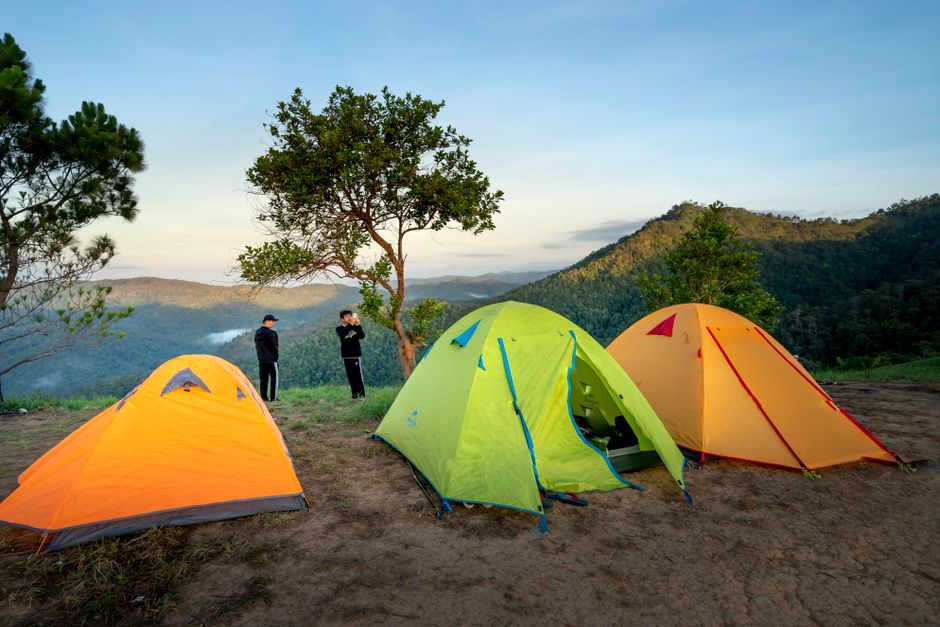
After testing several approaches over five years, this is the system I use and recommend. It costs about $50 in containers and takes 30 minutes to set up.
- Buy three large cotton canvas bags (60cm x 80cm, about $15 each from a fabric store or IKEA). Label them: Tent, Sleeping Bags, Accessories.
- Store tents loosely folded in the Tent bag. Poles go in a separate tube inside the same bag. Fly and footprint go on top.
- Store sleeping bags in their cotton storage sacks or in the Tent bag if space allows. Never compress them.
- Accessories bag holds stoves (with fuel canisters removed), headlamps (batteries removed), camp towels, repair kits, and stakes. Use small mesh pouches inside to keep items separate.
- Place all three bags in a cool, dark closet with a small dehumidifier or a bucket of silica gel crystals nearby. Check everything every three months.
This system has kept my Nemo Equipment Dagger tent and Therm-a-Rest Questar sleeping bag in near-new condition for four years. The tent still beads water on the fly. The sleeping bag still lofts to its original thickness. No mildew, no smells, no rodent damage.
Camping gear is expensive. A good tent costs $400–$600. A quality sleeping bag runs $300–$500. A stove and pad add another $200. That’s roughly $1,200 worth of equipment that can last a decade with proper storage, or die in two years with neglect. The choice is yours.
The next time you come home from a trip, spend the extra hour to dry, clean, and store your gear properly. Your future self — the one unpacking a fresh-smelling tent at a campsite in the Rockies — will thank you.