You’ve seen the videos. Sizzling woks, skewers of grilled meat, pyramids of green papaya being pounded in a mortar. Thai street food looks incredible. But every year, thousands of travelers end up glued to their hotel toilet after one bad meal. The question isn’t whether to eat street food in Thailand — you should. The question is how to pick the right stalls and avoid the ones that will ruin your trip. Here’s what I’ve learned after eating my way through Bangkok, Chiang Mai, and Phuket over the past five years.
What Actually Makes Street Food Risky?
Most people think it’s the spice or the raw ingredients that cause problems. That’s wrong. The real risk comes from three things: temperature abuse, cross-contamination, and tap water.
Temperature abuse is the biggest factor. Cooked food that sits at room temperature for more than two hours becomes a breeding ground for bacteria. A skewer of Moo Ping (grilled pork) that’s been sitting under a heat lamp since 10 AM? Hard pass. A wok where the cook fires up fresh noodles for every order? That’s safe.
Cross-contamination happens when the same cutting board handles raw chicken and fresh herbs. Watch how a stall operates. If the cook uses one set of tongs for raw meat and cooked meat, walk away.
Tap water is the silent killer. Ice in Thailand is usually made from purified water and is safe. But the water used to rinse vegetables or dilute sauces? Not always. Stick to stalls that visibly wash produce in bottled or filtered water.
Here’s the hard truth: the most dangerous stalls are the ones with the longest lines of tourists. High volume means food sits out longer, and cooks rush. The safest stalls are the ones where locals eat. If you see a queue of Thai workers in uniform at 1 PM, join it.
How to Spot a Safe Stall in 30 Seconds
You don’t need to be a food scientist. You need three quick checks.
Check the cooking method
Grilled, fried, or boiled food is safer than raw or room-temperature dishes. Som Tum (papaya salad) made to order with fresh ingredients is fine. Pre-made Som Tum sitting in a plastic tub? Skip it. Guay Tiew (noodle soup) where the broth is kept at a rolling boil is almost always safe — the heat kills bacteria.
Watch the hands
Does the cook handle money and food with the same gloves? That’s a red flag. The best stalls have one person handling money and another handling food. Or they use tongs and never touch the food directly.
Look at the prep area
Is the stall clean? Are ingredients stored off the ground? Is there a sink with soap? I once saw a stall on Khao San Road where the cook was chopping vegetables on a board that still had raw chicken juice on it. I walked.
One more thing: never eat from a stall that has flies landing on the food. That’s not “authentic.” That’s a health hazard.
The Dishes That Are Worth the Risk (and the Ones That Aren’t)
Not all street food is created equal. Some dishes are almost always safe. Others are a gamble.
| Dish | Risk Level | Why | Best Place to Try |
|---|---|---|---|
| Pad Thai | Low | Cooked fresh in a hot wok at high heat. Noodles, egg, protein — all fried together. | Any busy stall on Yaowarat Road (Bangkok’s Chinatown) |
| Khao Soi | Low | Curry noodle soup with boiled and fried noodles. Broth is kept hot. | Khao Soi Khun Yai in Chiang Mai |
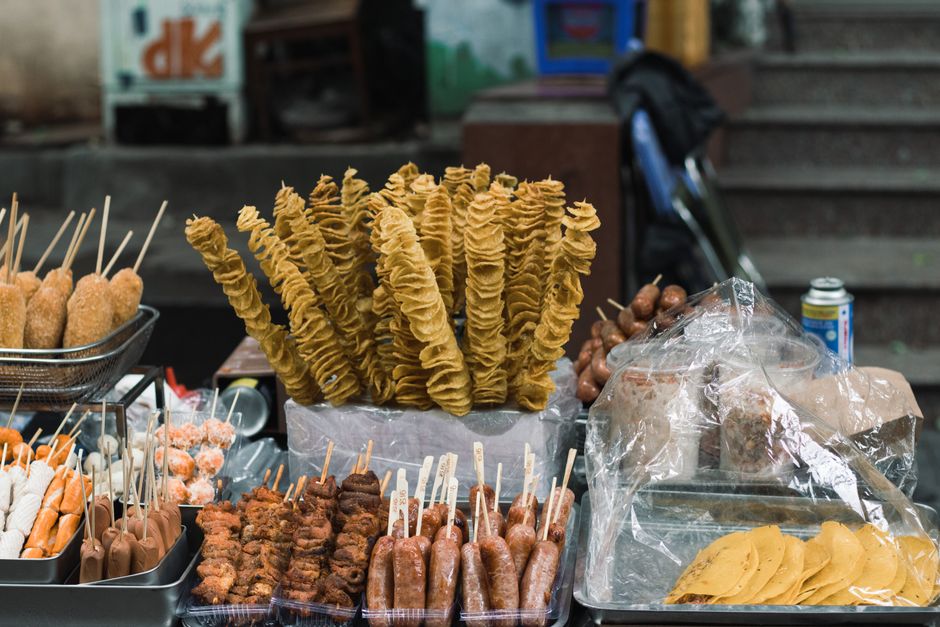
| Moo Ping | Medium | Grilled pork skewers. Safe if cooked to order and eaten immediately. Risk if left on the grill too long. | Any stall near a local market at lunchtime |
| Som Tum (papaya salad) | Medium | Raw vegetables and fish sauce. Safe if made fresh with clean produce. Risk if pre-made or if water is used. | Or Tor Kor Market (Bangkok) — they use filtered water |
| Roti Gluay (banana roti) | Low | Cooked on a hot griddle with butter and sugar. Very little risk. | Night markets in Phuket or Chiang Mai |
| Raw shrimp or crab dishes | High | Raw seafood left at room temperature. Even with lime and chili, bacteria can survive. | Skip unless you’re at a reputable sit-down restaurant |
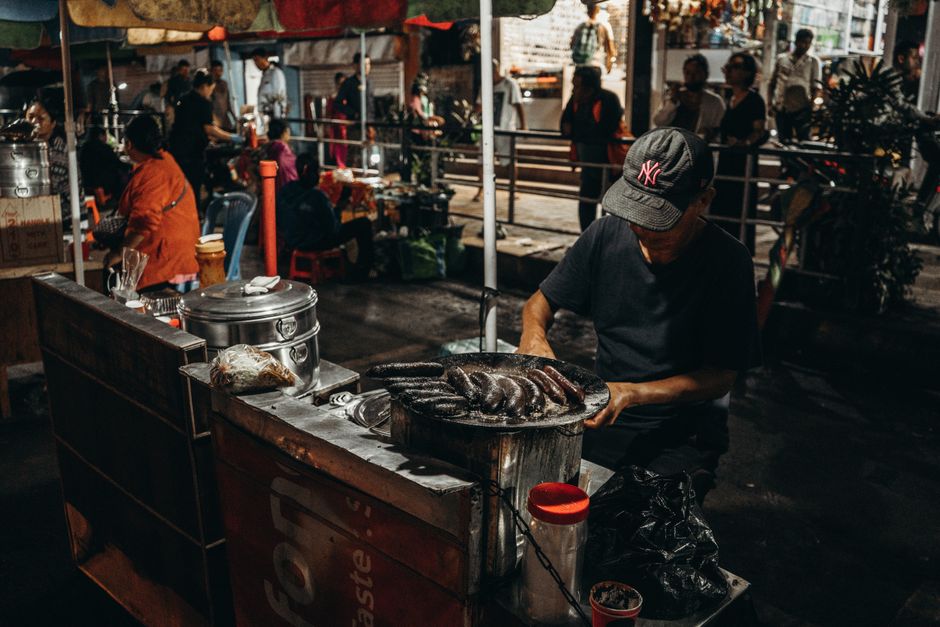
My rule: stick to dishes that are cooked fresh in front of you. If you can see the flames and hear the sizzle, you’re probably fine. If the food is sitting under a plastic dome, keep walking.
What to Do If You Get Sick (Before You Panic)
Even careful eaters get food poisoning sometimes. It happens. Here’s what to do.
First, don’t take Imodium immediately. Your body is trying to expel the bacteria. Let it run its course for a few hours. The real danger is dehydration. Drink oral rehydration salts (buy them at any 7-Eleven in Thailand for about 10 baht). Sip small amounts frequently.
Second, eat bland food for 24 hours. Plain rice, plain toast, bananas. Avoid dairy, spice, and oil. Thai 7-Elevens sell plain steamed rice and packaged bread.
Third, know when to see a doctor. If you have a fever above 101°F (38.3°C), blood in your stool, or can’t keep water down for 12 hours, go to a clinic. Thailand has excellent medical care for tourists. The Bangkok Hospital chain charges about $50 for a consultation. Bring your passport and travel insurance info.
Most cases resolve within 24-48 hours. The key is staying hydrated. Don’t panic. You’ll be back on the street eating Khao Soi in no time.
When You Should Skip Street Food Entirely
This is the part most travel blogs won’t tell you. Street food in Thailand is amazing, but it’s not for everyone in every situation.
Skip street food if you have a compromised immune system. If you’re undergoing chemotherapy, have an autoimmune disorder, or are pregnant, the risk is higher. Your body can’t fight off bacteria as easily. Stick to restaurant food where kitchens are inspected.
Skip street food on your first day. Your gut needs time to adjust to the local bacteria. Eat at sit-down restaurants for the first 24-48 hours. Then ease into street food with cooked dishes like Guay Tiew (noodle soup) before trying raw dishes.
Skip street food if you’re in a rush. If you have a flight to catch or a tour leaving in 30 minutes, don’t risk it. Food poisoning doesn’t care about your schedule. Eat a safe meal at a restaurant or 7-Eleven (their sandwiches and steamed buns are surprisingly good).
Skip street food from stalls near major tourist attractions. The stalls around the Grand Palace or Wat Pho in Bangkok cater to tourists who will never eat there again. The quality is lower, and the prices are higher. Walk 10 minutes down a side street. You’ll find better food for half the price.
The best meal I had in Thailand was a bowl of Khao Soi from a stall in Chiang Mai with no English sign. The cook was a 60-year-old woman who’d been making it for 30 years. The broth was rich, the noodles were crispy, and there was no line of tourists. That’s the meal worth risking for.