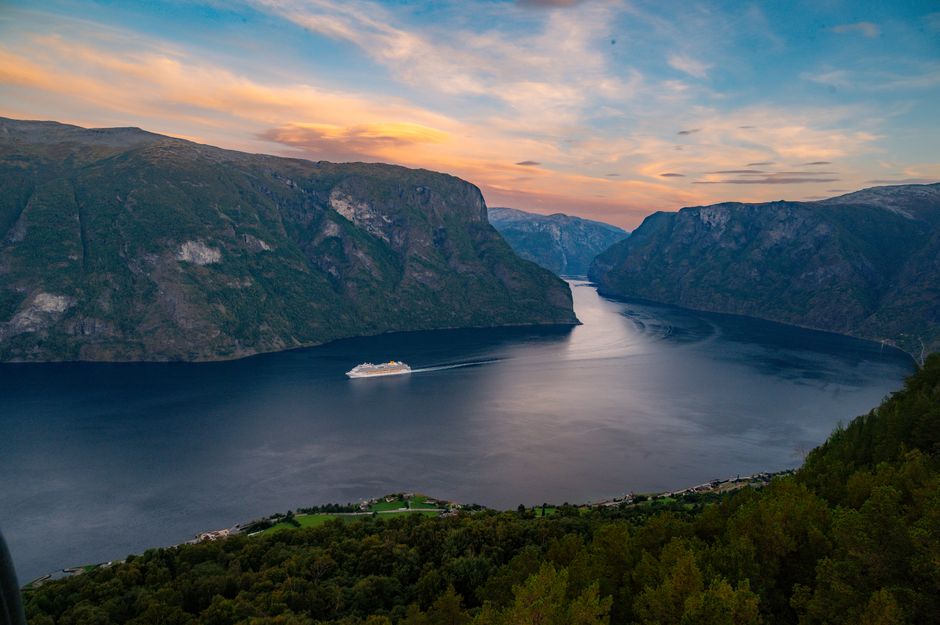
A summer trip to the Norwegian fjords is best planned around time outdoors rather than a long list of stops. Steep mountainsides, waterfalls, small villages, and changing light make even an ordinary journey memorable. The practical challenge is deciding how much ground to cover. Choose a compact area, stay long enough to settle into it, and leave room to change your plans when the weather shifts.
Choose your fjord region first
Western Norway looks deceptively manageable on a map. Two villages may sit close together across the water but require a ferry or a lengthy drive between them. Before booking accommodation, choose the landscape and activities that matter most to you. Then check how your arrival point, overnight stops, and departure point connect.
Sognefjord for varied scenery and transport options
Sognefjord and its branches offer a strong introduction to the region. Aurlandsfjord and Nærøyfjord have the enclosed waterways and steep slopes many visitors picture when imagining Norway. Flåm is a useful transport hub, while nearby Aurland offers another potential base. Compare accommodation locations with actual boat and bus departure points, especially if you will travel without a car.
Hardangerfjord for village stays and orchard landscapes
Hardangerfjord brings together cultivated slopes, waterside settlements, waterfalls, and access to mountain scenery. It suits a holiday that balances walking with quieter village days. Pick a base on the part of the fjord you most want to explore. Do not assume that attractions on opposite shores will make convenient neighbours in your daily itinerary.
Geirangerfjord for dramatic mountain scenery
Geirangerfjord works particularly well within a route focused on the northern part of the western fjords. The village of Geiranger provides access to boat outings and excursions on land. Allow time to see the landscape from both perspectives. Adding it to an already full southern itinerary can mean spending too much of your holiday in transit.
Build a route with breathing room
For about a week, consider an arrival city and two fjord bases rather than a different hotel every night. Several nights in one place give you another opportunity for a walk or boat outing if conditions are poor on your first day. They also reduce the daily work of packing and finding your next accommodation.
Bergen is a useful gateway for exploring the southern fjord region. Pair time there with the Sognefjord area or focus on Hardangerfjord for a more contained journey. If Geirangerfjord is your priority, organise your arrival and departure around a northern route. Let geography shape the holiday before you add individual attractions.
Plan one main commitment each day. A transfer, a substantial hike, or a cruise can each fill that role. Treat smaller walks and viewpoints as optional additions. Long summer evenings give you extra daylight, but they do not guarantee late transport services or remove the need for rest.
Choose transport to suit your bases
A car-free trip is possible when you stay in well-connected settlements and plan connections carefully. Trains, buses, and passenger boats can become part of the experience. Check the complete journey with official operators before booking, including the final stretch from a station or quay to your accommodation.
Distinguish between sightseeing cruises, passenger ferries, and vehicle ferries. Their routes and purposes differ, and they may use different departure points. Check whether a sailing returns to its starting point, accepts luggage, or connects with your next service. Give yourself a generous buffer between separately booked journeys.
A car adds flexibility for rural accommodation and trailheads, but driving requires patience. Bends, narrow sections, ferry crossings, and frequent stops can extend travel times. Check current conditions with Norway’s official road authority, especially for mountain roads. Park only in suitable places and keep passing places clear when stopping for photographs.
Spend time on the water
Include at least one boat journey. Looking up from the fjord reveals the scale of the slopes and the small details that disappear from a roadside viewpoint. Select a route for the scenery it covers and where it leaves you afterward. The longest excursion is not automatically the best fit for your plans.
Bring a warm, windproof layer for an outdoor deck, even when the village feels comfortable. Sheltered seating is useful if rain moves in. Travellers with limited mobility should ask about boarding arrangements, toilets, and seating before booking, since facilities vary between vessels.
If kayaking appeals, choose a guided outing suited to your experience. Cold water, wind, and boat traffic deserve careful judgement. Ask about instruction, clothing, safety equipment, and how the route changes with conditions. A sheltered introductory paddle can be more enjoyable than attempting a distance beyond your ability.
Pick walks for the conditions
You do not need a famous summit to appreciate the fjords. Village paths, forest trails, and lower viewpoints offer rewarding alternatives to demanding mountain hikes. Read route descriptions carefully: a short trail can still involve steep ground, slippery rock, or an awkward descent.
Check local trail advice and the forecast shortly before setting out. Snow can remain higher up when the waterfront feels summery, and low cloud may obscure both views and navigation landmarks. Keep an easier alternative ready. Turn back if the terrain or weather becomes more difficult than you expected.
- Carry waterproof layers, a warm midlayer, food, and drinking water.
- Wear shoes with reliable grip on wet and uneven ground.
- Save an offline map and keep enough phone power for the return.
- Share your route and expected return when heading into remote terrain.
Pack for a changeable summer
Pack layers that work together rather than clothes for one fixed temperature. A waterproof jacket, spare socks, walking shoes, and a small daypack are useful across boat trips and walks. Bring sun protection too. A bright morning can become a wet afternoon, so keep essential layers with you rather than buried in your main luggage.
Summer evenings stay light late, although the western fjord region does not experience the true midnight sun. An eye mask may help you sleep. Allow yourself a quiet evening beside the water instead of treating every extra hour of daylight as another sightseeing opportunity.
Make village life part of the visit
Book popular summer accommodation ahead, checking cancellation terms and access from your chosen transport. A kitchen can simplify meals, but investigate grocery options before arriving in a small settlement. Carry picnic supplies on transfer days and avoid making your evening meal depend on a tight connection.
Stay on marked paths where requested, respect cultivated land, and take your litter away. Ask local visitor information staff about suitable outings and conditions. Before departure, confirm transport, road access, and activity arrangements through official sources such as Visit Norway, regional tourism offices, and the operators themselves. With those practical details settled, leave space for the small pleasures: a waterfront stroll, a waterfall glimpsed from a ferry, or an unhurried morning watching clouds lift from the slopes.