Visiting Copenhagen in late autumn means adjusting your pace to the light, the wind and the pleasure of coming indoors. Waterfront walks still belong on the itinerary, but they work best alongside galleries, warm lunches and time to explore a neighbourhood without rushing. You can enjoy the city’s canals and distinctive streets without expecting long outdoor days. Build your visit around a few places you really want to see, then leave room to change direction when the weather does.
Know what late autumn feels like
Late October and November can bring damp pavements, brisk winds and stretches of grey sky. A bright spell may transform the harbour, while rain can make an exposed walk feel much longer than it looks on a map. Snow is not something to build your plans around. Think in terms of staying dry and comfortable through changeable conditions.
Daylight becomes a valuable part of your itinerary. Put parks, canals and architectural walks earlier in the day, keeping indoor visits for later where opening arrangements allow. Check the forecast each morning and the sunset time for your dates. If a clear morning appears, use it for the outdoor place you most want to experience.
Choose a base that makes returning easy
For a short visit, convenient transport and nearby places to eat matter more than a room with a dramatic view. The historic centre gives you access to many sights on foot. Vesterbro lies beside the central station area, while Nørrebro offers a different neighbourhood atmosphere across the Lakes. Compare the actual street and nearest transport stop when choosing accommodation.
Look at the whole journey from your room to your planned activities. A slightly longer ride with little outdoor waiting may suit you better than repeated walks through exposed streets. If you expect to return during the afternoon to change wet clothes, make that part of your decision. Ask about luggage storage when arrival and departure times leave you between rooms.
Explore the waterfront in manageable sections
Nyhavn and the royal quarter
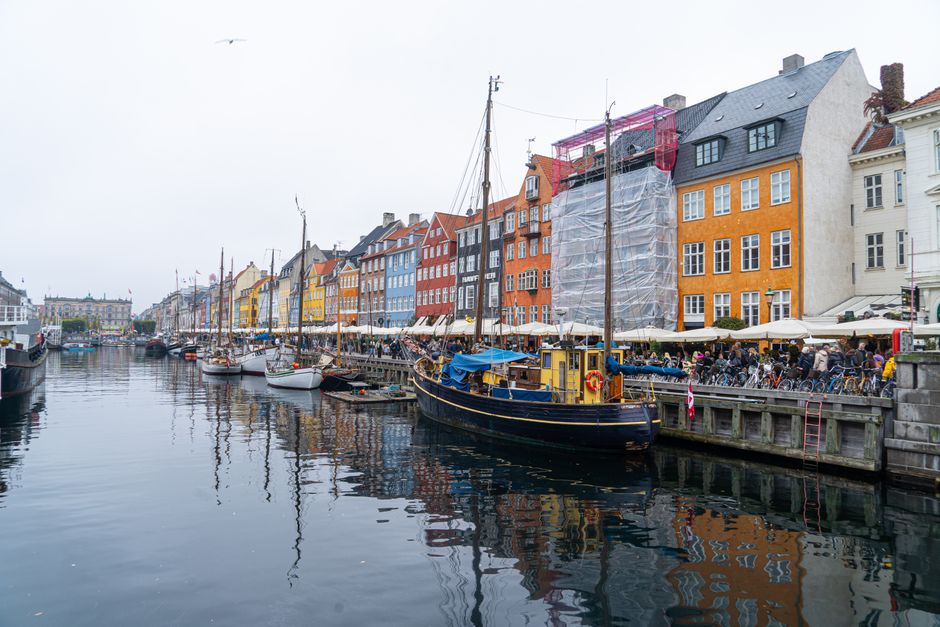
Nyhavn’s colourful waterfront buildings are particularly rewarding when there is enough light to see their reflections. Walk the quays, pause for photographs without blocking the path, then continue towards Amalienborg if conditions are comfortable. The waterfront around the royal quarter gives a sense of Copenhagen’s relationship with its harbour, but wind can make lingering less appealing.
Keep this route flexible rather than attaching every nearby landmark to it. You can turn inland for shelter and return to the water another day. Canal trips are another way to understand the city, but check seasonal operation, boarding arrangements and how sheltered the boat is before deciding. A sightseeing trip on the water still needs to suit the weather.
Christianshavn and its canals
Christianshavn offers canals, bridges and streets that reward a slower walk. Choose a compact loop rather than trying to cover the entire harbour. Allow time to stop somewhere warm afterwards, and watch your footing near wet edges and steps. If your route includes a tower or outdoor viewpoint, check access conditions and consider whether visibility justifies the climb.
Give indoor culture a proper place
A museum should be something you want to explore, rather than simply the nearest escape from rain. Copenhagen offers collections covering Danish history, art and design. Choose a subject that interests you and allow enough time to enjoy it. One absorbing visit often gives a day more shape than several hurried stops.
Before committing, consult the attraction’s official information for opening days, temporary closures, exhibitions and booking requirements. Do not assume every museum opens on the same days or stays open into the evening. Check cloakroom and bag arrangements too, especially if you are carrying a wet coat or travelling with luggage.
On a very wet day, make the indoor visit your main activity and add a short walk if conditions improve. Resist packing the remaining hours with distant sights. A relaxed meal and a little browsing can be a satisfying finish, especially when you have already spent time concentrating on a collection.
Make room for neighbourhood walks and meals
The Lakes provide a useful setting for a walk near the centre, with streets leading into surrounding neighbourhoods. Pick a section that fits the conditions instead of feeling obliged to circle every stretch of water. In Nørrebro or Vesterbro, spend time noticing residential streets, shop windows and the changing character of public spaces.
Eating indoors becomes part of the day’s rhythm. Try a Danish open sandwich if it appeals, or choose soup, baked goods or another warming meal. You do not need a list of famous addresses to eat enjoyably. Read menus before sitting down, consider dietary needs and reserve ahead when a particular meal matters to your plans.
Copenhagen’s cosy atmosphere is easiest to appreciate when you give yourself permission to pause. Let a café stop be a real break rather than a hurried purchase between attractions. Dry your gloves, look over the next part of your route and decide whether you still want that extra walk.
Use transport to protect your energy
Walking works well for compact clusters of sights, while the metro, trains and buses help connect more distant areas. Check routes and ticket validity through official transport sources before travelling. Confirm which zones your journey needs, particularly for the airport, and whether a ticket requires activation or another step before boarding.
Cycling is woven into daily life here, but late autumn is not the easiest moment to learn an unfamiliar traffic system. Rent a bicycle only if you are comfortable with wet surfaces, signalling and riding alongside regular commuters. When walking, keep out of cycle lanes and check carefully before crossing them. Choose public transport whenever conditions make riding feel stressful.
Pack for repeated trips outdoors
- A weatherproof outer layer: Choose a coat with a hood that stays comfortable in wind.
- Adjustable warmth: Wear layers you can remove inside museums and heated rooms.
- Practical footwear: Bring comfortable shoes with useful grip and protection against wet pavements.
- Small essentials: A scarf, gloves and spare socks can make an unexpectedly damp day easier.
- A compact day bag: Keep belongings protected and leave room to carry a removed layer.
Build a flexible short stay
For your first full day, use the best daylight for Nyhavn and part of the waterfront, followed by lunch and an indoor attraction. Spend the next day exploring Christianshavn or a neighbourhood near the Lakes, with another indoor option ready. Swap these plans freely if the forecast suggests a better order.
If seasonal celebrations or illuminated attractions interest you, check their official calendars before making them the focus of your visit. Late autumn does not guarantee that every festive event has started. Leave your final evening uncomplicated: a meal near your accommodation, a brief walk if it is pleasant, and enough time to enjoy Copenhagen at the season’s quieter pace.