
While mainland Japan is famous for its four distinct seasons, the Okinawa archipelago operates on a different rhythm entirely. Most travelers are surprised to learn that Okinawa is geographically closer to Taipei than to Tokyo, a fact that dictates its humid subtropical climate and unique ecological calendar. It is a region where cherry blossoms peak in January rather than April, and where the ocean remains warm enough for swimming nearly year-round. However, choosing the right window for a visit requires balancing the allure of 30°C beach days against the statistical probability of a Pacific typhoon disrupting your flight schedule.
Understanding Okinawa Weather Patterns and Seasonal Shifts
The climate in Okinawa is categorized by high humidity and relatively stable temperatures, but the nuances between months are significant for travelers. Unlike the freezing winters of Hokkaido or the crisp autumns of Kyoto, Okinawa maintains a baseline warmth. Even in the depths of January, the mercury rarely dips below 15°C (59°F). This makes it a premier destination for domestic Japanese travelers escaping the snow, though it may not feel like “beach weather” to those coming from tropical Southeast Asia.
The Early Spring and Cherry Blossom Window (January – March)
January marks the start of the Higan-zakura season. These are deep pink cherry blossoms that bloom from north to south across the islands, beginning in late January in Motobu and Nago. This period is arguably the best time for those who prioritize hiking and cultural exploration over swimming. The air is crisp, the humidity is at its annual low, and the crowds are manageable outside of the Lunar New Year period. Data from the Japan Meteorological Agency indicates that February is often the driest month, making it ideal for visiting the ruins of Shuri Castle or the Nakijin Castle site without the oppressive heat of summer.
The Transition to Summer (April – June)
April is often cited by locals as the most pleasant month. The temperature hovers around 23°C (73°F), and the sea begins to warm. However, this is a narrow window. By early May, the Tsuyu (rainy season) typically begins. Unlike a quick tropical afternoon shower, the Okinawan rainy season can involve persistent, heavy overcast skies and high humidity for weeks. It usually concludes by late June, leading directly into the intense heat of the high summer.
| Month | Avg High (°C) | Avg Low (°C) | Rainfall (mm) |
|---|---|---|---|
| January | 19 | 14 | 107 |
| April | 24 | 19 | 165 |
| July | 32 | 27 | 155 |
| October | 28 | 23 | 152 |
Peak Season vs Off-Peak Costs and Crowds
Financial planning for an Okinawa trip hinges on avoiding the three major domestic holiday peaks. During these times, hotel prices in Naha and the luxury resorts of Onna Village can triple, and rental car availability—a critical component of Okinawan travel—often drops to zero. If you do not book a vehicle months in advance for these periods, you will find yourself tethered to the limited monorail system in Naha or expensive taxi routes.
Navigating the Golden Week Surge
Golden Week, which runs from late April through early May, is the most expensive time to visit. Flights from Tokyo or Osaka to Naha (OKA) can exceed 60,000 JPY ($400 USD) round-trip, compared to a standard price of roughly 15,000 JPY ($100 USD) on low-cost carriers like Peach or Jetstar. During this week, the popular Churaumi Aquarium becomes exceptionally crowded, with wait times for the main Kuroshio Sea tank reaching over an hour. If your schedule is flexible, avoid this week at all costs.
The Value of the Shoulder Season (October and November)
For those seeking a balance of lower costs and high utility, October and November are the hidden gems of the Okinawan calendar. Most domestic schools are back in session, and the summer holiday rush has dissipated. You can often secure a room at a high-end resort like the Halekulani Okinawa or the Ritz-Carlton for 40% less than the August rate. The water remains warm (around 25°C), and the risk of typhoons begins to drop significantly by mid-October. This is the period when you can enjoy the beaches of Miyako or Ishigaki without the feeling of being in a crowded theme park.
Traveler Tip: If you are visiting during the off-peak winter months, look for “Business Hotels” like Daiwa Roynet or Richmond Hotels in Naha. They offer exceptional cleanliness and service for roughly 8,000 to 12,000 JPY per night, leaving more budget for island-hopping ferries.
Ocean Conditions for Diving and Snorkeling
Okinawa is a world-class diving destination, home to the Kerama Blue—a term used to describe the incredibly clear waters around the Kerama Islands. However, the “best” time for the ocean depends entirely on what you want to see. The water temperature fluctuates between 21°C (70°F) in February and 29°C (84°F) in August. This range dictates whether you’ll need a 5mm full wetsuit or a simple rash guard.
Whale Watching and Winter Visibility
From January to March, humpback whales migrate to the waters around the Kerama Islands to breed and give birth. Visibility during these months is often at its peak, frequently exceeding 30 meters, because there is less plankton in the cooler water. While the air temperature might be chilly when you exit the water, the lack of summer boat traffic makes the dive sites much more serene. Professional photography enthusiasts often prefer this window for wide-angle shots of the coral formations.
Manta Rays and Coral Spawning
If your goal is to see Manta Rays, particularly at the famous Manta Scramble in Ishigaki, the peak season is between June and October. This coincides with the warmest water temperatures. Additionally, the mass spawning of coral usually occurs around the full moons in May or June. This is a spectacular night-diving event, though it requires precise timing and a bit of luck with the weather. Be aware that the high summer months also bring the risk of box jellyfish (Habu-kurage). Most public beaches will have netted areas to protect swimmers, but if you are snorkeling in wild spots, a full-body stinger suit is highly recommended.
Cultural Festivals and the Okinawan Event Calendar
Okinawa’s history as the independent Ryukyu Kingdom has left it with a cultural calendar that is distinct from mainland Japan. Many festivals are tied to the lunar calendar, meaning their dates shift every year. Attending one of these events provides a deep look into the music, dance, and community spirit of the islands, which is quite different from the more reserved festivals of Tokyo or Kyoto.
The Naha Giant Tug-of-War (October)
Held annually in October during the Sports Day long weekend, the Naha Otsunahiki is a Guinness World Record event. Tens of thousands of people gather on Highway 58 to pull a massive rice-straw rope that is over 200 meters long. The atmosphere is electric, and anyone can join in. After the event, participants cut off pieces of the rope to take home as good luck charms. This is a prime example of why October is a top-tier month for visitors—the weather is cool enough to exert yourself outdoors without heatstroke.
Eisa Dancing and the Obon Season (August)
Obon is the festival of the dead, usually held in August. In Okinawa, this is celebrated with Eisa, a vigorous form of drumming and dancing. You will see local youth groups performing in the streets to the sound of the sanshin (a three-stringed Okinawan lute). While August is hot and prone to typhoons, the cultural vibrancy of the Eisa performances is a compelling reason to brave the humidity. The 10,000 Eisa Dancers Parade on Naha’s Kokusai Dori is a particular highlight for photography.
The “Tsuyu” Rainy Season and Typhoon Risks
The most significant logistical hurdle for any Okinawa trip is the weather volatility. The islands sit directly in the “Typhoon Alley” of the Pacific. A direct hit from a Category 4 or 5 typhoon can shut down the airport for days, stop all ferry traffic between islands, and confine you to your hotel room. Understanding the statistical peaks of these events is vital for risk management.
Managing the May-June Rainy Season
The rainy season, or Tsuyu, typically starts in the second week of May and lasts until mid-June. This isn’t just about rain; it’s about the humidity. The air feels heavy, and laundry will not dry. However, the advantage of this period is the lushness of the jungle areas in Yanbaru (Northern Okinawa). The waterfalls are at their most powerful, and the crowds are thin. If you are a fan of botanical gardens or interior island exploration, the rainy season offers a moody, beautiful version of Okinawa at a discount.
The Typhoon Peak (August – September)
Statistically, August and September see the highest frequency of typhoons. Modern infrastructure in Okinawa is built to withstand these storms—buildings are made of reinforced concrete, and windows have heavy shutters. The danger to travelers is rarely physical harm, but rather the total collapse of travel plans. If a typhoon is approaching, airlines will often allow you to change your flight for free. It is essential to have travel insurance that covers weather-related cancellations during these months. If you see a storm on the forecast, do not take a ferry to a remote island like Zamami or Tokashiki, as you may be stranded there for several days after the storm passes while the seas remain too rough for the boats to run.
Regional Variations: Best Time for Naha vs Ishigaki
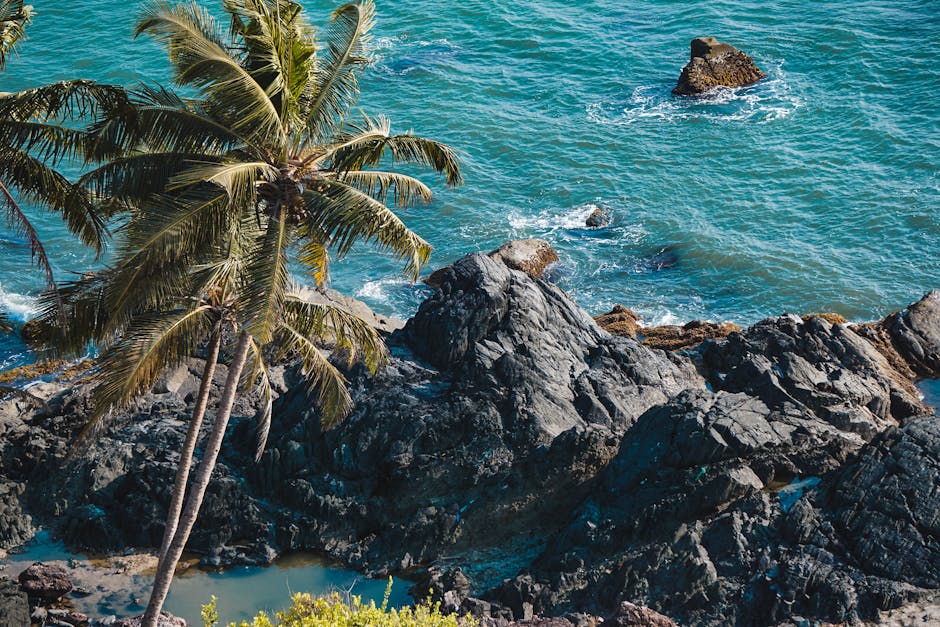
The Okinawa Prefecture spans over 1,000 kilometers from end to end. The weather in Naha (the main island) can be quite different from the Yaeyama Islands (Ishigaki, Iriomote, Taketomi) in the far southwest. When planning your trip, consider that the southern islands are significantly more tropical.
Ishigaki and the Yaeyama Islands
Because they are closer to the equator, the Yaeyama Islands stay warmer in the winter. While Naha might feel a bit chilly for a beach day in February, Ishigaki often remains pleasant. This makes Ishigaki a better choice for winter sun-seekers. However, the Yaeyama Islands are also more exposed to early-season typhoons. If you are planning a trip in July, the main island of Okinawa might be a safer bet logistically than the smaller, more remote islands where supply chains are easily interrupted by rough seas.
Miyako Island: The Beach Specialist
Miyako Island is famous for having the best beaches in Japan, such as Yonaha Maehama. Because Miyako is flat and lacks large mountains, it doesn’t trap clouds as much as the main island or the mountainous Iriomote. Consequently, Miyako often enjoys sunnier skies even during the fringes of the rainy season. The best time to visit Miyako is late June, immediately after the rainy season ends but before the peak typhoon season begins. This “Goldilocks” window offers the clearest turquoise water and the most consistent sunshine for that iconic tropical aesthetic.
Ultimately, the best time to visit Okinawa is a subjective choice based on your tolerance for heat and your interest in specific activities. If you want the quintessential beach experience and don’t mind the heat, late June to July is unbeatable. If you prefer a quiet, contemplative trip with plenty of hiking and cultural sites, the cool, dry window of February to March is the superior choice. For the majority of travelers, the sweet spot remains October: the storms are fading, the water is still inviting, and the islands breathe a sigh of relief as the summer crowds depart.