Stop defaulting to Digha every time someone asks where to go near Kolkata. It’s a fine beach. It’s also exactly what everyone recommends because nobody has thought harder about the question. Within a 600km radius of the city, you have a UNESCO mangrove delta, Himalayan hill stations, terracotta temple towns, and reservoir landscapes that most visitors from outside West Bengal have never heard of.
This covers eight destinations worth serious consideration — not a ranked list, but a calibrated breakdown of what each place actually offers, how long it takes to get there, and which travelers should bother.
Calibrating Your Expectations Before You Book Anything
West Bengal’s road and rail infrastructure is good in some directions and genuinely painful in others. The distance on a map tells you almost nothing useful about how long a journey actually takes.
The Darjeeling Himalayan Railway — the UNESCO-listed toy train — is iconic and slow by design. The faster option is the overnight Darjeeling Mail from Sealdah Station to New Jalpaiguri (NJP), which covers 570km in about 10 hours. From NJP, you still have a 2.5-hour road climb to Darjeeling town. Budget your time accordingly.
Sundarbans is the opposite problem. It’s only 100km from Kolkata but getting deep into the delta requires boat transfers. You cannot drive there. Most people underestimate this and end up on rushed half-day tours that skip the core wildlife zones entirely.
Shantiniketan, Bishnupur, and Mandarmani are all accessible by car or direct train in under four hours. These are your true weekend destinations if you want a straightforward departure on Saturday morning and return Sunday evening.
One general rule: avoid traveling during Durga Puja, usually October. Every guesthouse within 200km of Kolkata is either full or charging triple. Book six weeks out minimum if your dates fall within that window.
Eight Destinations Near Kolkata: The Quick Reference
Before going deep on each destination, here is a structured comparison. Travel times assume you are leaving from central Kolkata.
| Destination | Distance | Travel Time | Best For | Minimum Days |
|---|---|---|---|---|
| Sundarbans | ~100 km | 3–4 hrs (boat included) | Wildlife, mangrove delta | 2 nights |
| Shantiniketan | ~165 km | 3 hrs by car or Bolpur train | Culture, architecture | 1 night |
| Bishnupur | ~130 km | 2.5 hrs by car or Rupashi Bangla Express | Terracotta temples, history | 1 night |
| Digha | ~185 km | 4 hrs by car or direct train | Beach, seafood | 1–2 nights |
| Mandarmani | ~180 km | 3.5 hrs by car | Quieter beach alternative to Digha | 1–2 nights |
| Mukutmanipur | ~240 km | 5 hrs by car | Reservoir, landscape photography | 1–2 nights |
| Darjeeling | ~600 km | 10 hrs overnight train + 2.5 hrs road | Mountains, tea estates, toy train | 3–4 nights |
| Mayapur | ~130 km | 2.5 hrs by car | ISKCON temple, spiritual tourism | 1 night |
Darjeeling is the outlier. Technically within a day’s travel of Kolkata, but treating it as a weekend trip is a mistake. You lose a full day in each direction. Go for at least three nights or save it for a longer holiday.
Sundarbans: The One That Requires the Most Planning
The Sundarbans is a UNESCO World Heritage Site and the world’s largest mangrove delta. Roughly 10,000 square kilometers of tidal waterways, forest, and mudflat, split between India and Bangladesh. The Indian side is a tiger reserve. This is not Ranthambore — there are no jeep safaris and no guaranteed sightings. Bengal tigers here live in dense mangrove and are almost never seen from boats.
That is not the point. The point is the landscape itself: the silence on the water at dawn, centuries-old trees with prop roots dropping into tidal channels, chital deer on mud banks, estuarine crocodiles on sandbars. It is genuinely unlike anywhere else in India.
How to Actually Get There
You cannot drive into the core forest areas. The standard route is Kolkata to Godkhali by road (roughly 3 hours), then ferry or motorized boat into the delta. Most visitors use Sajnekhali as a base — there is a watchtower and a wildlife information center there.
The Forest Department’s Sajnekhali Tourist Lodge books up fast on weekends from November through February. The better private option is Sunderbans Tiger Camp, operated by Help Tourism, a responsible tour operator with a long track record in the delta. Their packages include boat hire, forest entry permits, and a naturalist guide. Expect to pay ₹4,000–6,000 per person per night all-inclusive. That price is fair given what is included.
What Actually Makes the Difference
The single biggest variable is tide timing. You want to enter the forest channels on an incoming tide, when water pushes into the mangroves and animals move to the banks. A good guide plans boat routes around the tide table, not the clock. Ask your operator specifically about this before booking — it separates the knowledgeable ones from the generalists.
Go between November and February. March starts getting hot and humid quickly. Monsoon from June through September means the delta is partly inaccessible and cyclone risk is real — the Sundarbans was badly hit by Cyclone Amphan in 2026, and some infrastructure is still being rebuilt in the outer islands.
Realistic Wildlife Expectations
You will almost certainly see spotted deer, monitor lizards, and kingfishers. Estuarine crocodiles are common from the boat. Fishing cats are possible but nocturnal. Bengal tigers: possible but genuinely unlikely on a short trip. Do not go for the tiger. Go for the mangrove ecosystem. If you reframe it mentally as a wetland and forest experience rather than a tiger safari, it becomes an excellent two-night trip without the disappointment.
Shantiniketan Is Worth Exactly One Night
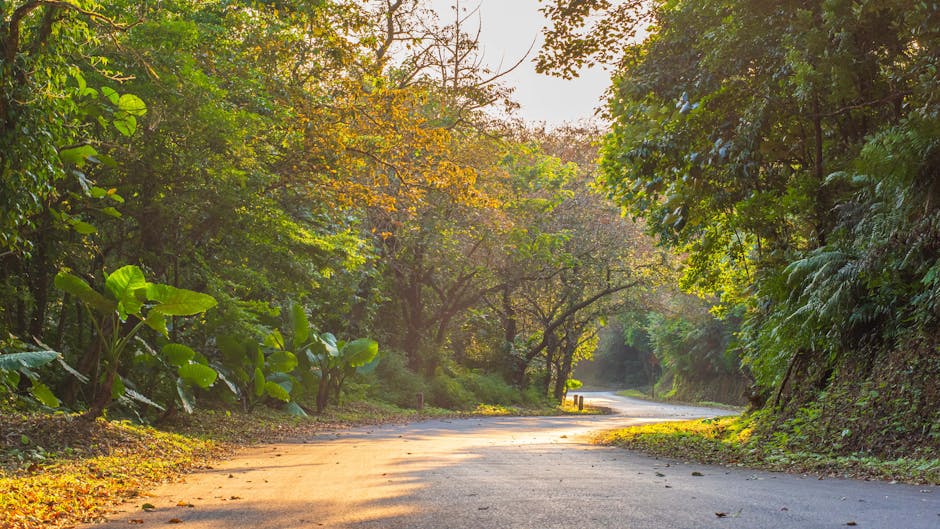
Rabindranath Tagore’s university town at Bolpur is not an architectural spectacle and does not pretend to be. The appeal is the scale — a walkable campus of low buildings, murals, and open-air classrooms where Visva-Bharati University has operated for over a century. The local market at Bolpur sells decent Baul music recordings and Kantha embroidery at fair prices. Go Saturday, return Sunday. One night is exactly right. Two nights pushes it.
Bishnupur and Mukutmanipur: Two Directions West
These two destinations sit roughly west of Kolkata — into Bankura and Purulia districts respectively. They are often confused or lumped together as a combined trip, but they serve completely different travelers.
Bishnupur: Terracotta Temple Town
Bishnupur was the capital of the Malla kings from the 7th to 18th centuries. What they left behind is a cluster of terracotta temples that are genuinely exceptional. The Rasmancha (1600 CE) is the oldest surviving brick temple in Bengal — a stepped pyramidal structure unlike anything else in the state. The Jor Bangla and Shyamrai temples carry the finest carved terracotta panels, depicting scenes from the Ramayana and Mahabharata in dense, extraordinary detail.
The whole cluster is walkable. The Archaeological Survey of India maintains most key sites and entry fees are nominal. Get there on the Rupashi Bangla Express from Howrah — a 3.5-hour direct train journey that is significantly better than driving on NH32. The Government Tourist Lodge in Bishnupur is clean and reasonably priced at around ₹1,200–1,800 per night. It is not glamorous. It works fine for one night.
Mukutmanipur: For Landscape, Not History
About 100km west of Bishnupur, Mukutmanipur sits at the confluence of the Kangsabati and Kumari rivers behind a large earthen dam. The reservoir covers 40 square kilometers, ringed by low forested hills. There are no historical monuments. No temples, no museums. The draw is pure landscape — boat rides at dusk, mist off the water at dawn, and a level of quiet that is genuinely hard to find within a half-day of Kolkata.
Bishnupur wins if you want content and sightseeing. Mukutmanipur wins if you want landscape photography and silence. They are not really comparable. Do not try to combine both in a single trip — the road between them adds time without adding much.
Darjeeling: The Three Questions Worth Answering First
Is the Toy Train Worth Your Time?
The Darjeeling Himalayan Railway runs on a 2-foot gauge track completed in 1881. The full NJP to Darjeeling route takes about 7 hours and is beautiful — but it is not practical transport. Most visitors take the joyride section from Darjeeling station to Ghoom and back, roughly 2 hours. That is the right call. Worth doing once, not worth building your entire schedule around.
Where Should You Stay in Darjeeling?
The Mayfair Darjeeling is the most famous property and most expensive — expect ₹12,000–18,000 per night for a standard room. The Elgin Darjeeling is slightly more affordable at ₹8,000–12,000 and is arguably better maintained day-to-day. For budget travelers, Dekeling Hotel on Gandhi Road delivers solid value in the ₹2,500–4,000 range with clean rooms and good mountain-facing windows. Avoid properties far below Chowrasta Mall — steep uphill climbs at 2,000m altitude become tedious after two days.
When Is Darjeeling Actually Worth Visiting?
October and November give you clear mountain views and comfortable daytime temperatures. March through April brings rhododendron blooms on Tiger Hill and the surrounding forests. Avoid June through September — monsoon makes the NJP to Darjeeling road both miserable and occasionally dangerous due to landslips, and the Kanchenjunga views are entirely blocked by cloud cover for weeks at a time. December through February means near-freezing nights, but the air clarity is exceptional and the mountain views at sunrise are the sharpest of any season.
What Goes Wrong on These Trips
Common mistakes, in rough order of frequency:
- Booking Sundarbans without forest entry permits in advance. The daily permit quota fills on weekends from November through February. Operators like Help Tourism handle this as part of their packages. Independent travelers often arrive at Godkhali and cannot get in. Do not assume you can sort it on the day.
- Treating Darjeeling as a weekend destination. With 10 hours overnight train plus 2.5 hours of mountain road each way, you need at minimum three nights. Anything shorter means you spend more time in transit than actually there.
- Choosing Digha over Mandarmani. Digha is more accessible but significantly more crowded — dense domestic tourist traffic on weekends with vendors on the beach itself. Mandarmani is a 30-minute drive from Digha and noticeably quieter. The beach is longer and better maintained. If you have access to a car, skip Digha entirely.
- Visiting Bishnupur without a local guide. The outer temple walls are impressive but the carved terracotta panels are where the real content is. Local guides are available at the ticket counter for ₹300–500 for 90 minutes. Without one, the historical context is opaque and the visit loses half its value.
- Waking up at 4am for Tiger Hill sunrise without checking conditions. Darjeeling’s famous Kanchenjunga sunrise view from Tiger Hill is blocked by cloud probably 60% of mornings. Your hotel front desk can tell you the prior evening’s forecast. Do not drive 11km uphill in the cold for a grey wall of mist.
The single most practical decision before any of these trips: check the train schedule first. IRCTC fills premium berths on overnight trains 60 days out. Miss that booking window and you are either in unreserved class or paying inflated tatkal rates. Every other logistical problem near Kolkata is easier to solve than a sold-out overnight train.