

Securing a significant discount on Dubai accommodation requires moving beyond the surface-level advertisements found on major booking engines. The primary takeaway from a multi-year analysis of the Emirate’s hospitality sector is that the sticker price rarely reflects the final cost or the true value of the stay. In Dubai, a hotel deal isn’t just about a lower nightly rate; it is about timing your visit to coincide with the massive inventory surpluses that occur during specific climatic and cultural windows. While a five-star room in Downtown might command $600 in January, that same room frequently drops to $180 by July. This volatility is the savvy traveler’s greatest asset.
Timing Your Visit for Maximum Savings and Seasonal Fluctuations
The Dubai hotel market is dictated by the thermometer. Unlike European cities where prices remain relatively stable outside of Christmas, Dubai experiences price swings that can exceed 300% based on the external temperature. The most aggressive deals manifest between June and September. During this period, humidity levels often exceed 90%, and temperatures frequently peak above 45°C (113°F). Consequently, luxury properties that cater to international tourists see a sharp decline in occupancy. To counter this, many resorts shift their strategy from high-margin room rates to volume-based occupancy, offering “Stay 3, Pay 2” promotions or inclusive half-board packages that effectively reduce the cost of dining to near-zero.
Another critical window for finding deals is the Holy Month of Ramadan. Because the pace of the city slows down and many dining outlets operate under modified hours, business travel and general tourism often dip. Hotels respond by slashing rates and offering lavish Iftar and Suhoor meals as part of the room package. If you are comfortable with the cultural adjustments—such as being mindful of public fasting hours—you can access high-end luxury for mid-range prices. Conversely, you should avoid booking during major global events like the Dubai Shopping Festival (DSF) in January or massive trade shows like Gulfood or Gitex, where even the most basic hotels inflate prices to capture the corporate market.
The Shoulder Season Sweet Spot
For those who cannot tolerate the extreme heat of summer but still want to avoid the peak winter premiums, the shoulder months of May and October offer a calculated compromise. During these months, the weather remains conducive to beach activities, yet the high-season crowds have either departed or not yet arrived. Our data tracking shows that booking approximately 45 days out for a May stay yields the lowest average daily rate (ADR) before the summer fire sales begin. During these months, hotels are more likely to offer complimentary upgrades to keep their loyalty members satisfied without cannibalizing their high-season revenue.
Evaluating Neighborhood Price-to-Value Ratios across the City

Where you stay in Dubai determines not just your view, but the “hidden tax” of transportation time and cost. The city is geographically fragmented, stretched along a coastline and several inland hubs. Finding a hotel deal in a prestigious area like Palm Jumeirah often means you will spend more on taxis and dining, as these areas are isolated from the city’s more affordable infrastructure. For the best value, the analytical choice is often Business Bay or Al Barsha. These neighborhoods sit adjacent to the high-priced Downtown and Marina districts but offer significantly lower rates because they lack the “prestige” address.
Deira and Bur Dubai represent the historical core and offer the lowest absolute prices. However, the trade-off is a longer commute to the modern attractions and a different aesthetic environment. If your goal is purely budgetary, a four-star hotel in Deira might cost $45 per night, whereas a comparable room in Dubai Marina would start at $150. The value proposition shifts when you factor in the Dubai Metro. Staying near a Red Line station allows you to bypass expensive ride-shares. If a deal looks too good to be true, check its proximity to the Metro; often, the cheapest hotels are those that require a 20-minute shuttle or taxi just to reach the rail network.
| Neighborhood | Avg. 4-Star Price (Off-Peak) | Primary Advantage | Primary Drawback |
|---|---|---|---|
| Deira / Bur Dubai | $40 – $70 | Authentic food, lowest rates | Heavy traffic, far from beaches |
| Al Barsha | $75 – $120 | Central location, near Mall of Emirates | Lacks aesthetic charm |
| Business Bay | $110 – $180 | Proximity to Burj Khalifa | Ongoing construction noise |
| Dubai Marina | $160 – $250 | Walkability, beach access | Extreme congestion |
Maximizing Loyalty Programs and Membership Tier Benefits
In a city dominated by global brands like Marriott, Hilton, and Accor, loyalty points are a currency that often outperforms cash. Dubai has one of the highest densities of Marriott Bonvoy properties in the world. This competition is beneficial for the consumer. When searching for deals, check the “Member Rates” directly on the hotel’s proprietary app. These are almost always 5% to 10% lower than the rates found on third-party aggregators. Furthermore, Dubai hotels are known for their generous treatment of elite status members. A Gold or Platinum member at a property like the JW Marriott Marquis can often secure a suite upgrade and lounge access, which includes breakfast and evening cocktails, effectively saving $100 per day in food costs.
Local loyalty programs also offer substantial value. The GHA Discovery program, which includes the Address and Vida hotel brands, provides “Local Experiences” and D$ (Discovery Dollars) that can be redeemed for spa treatments or dining. If you are planning a longer stay, the “U by Emaar” program is particularly effective. Since Emaar owns many of the most prominent hotels, malls, and entertainment venues in the city, the points you earn on your hotel stay can be immediately spent on tickets to the Burj Khalifa or the Dubai Aquarium. This ecosystem of rewards makes the initial room price more palatable when viewed as a total trip expenditure.
Many travelers overlook the power of credit card partnerships. Holders of American Express Platinum cards can access the Fine Hotels & Resorts (FHR) program, which often includes a $100 property credit, daily breakfast for two, and guaranteed 4:00 PM late checkout. In Dubai, where flights often depart late at night, that late checkout alone can be worth half a night’s stay.
Analyzing Package Deals vs. Fragmented Bookings
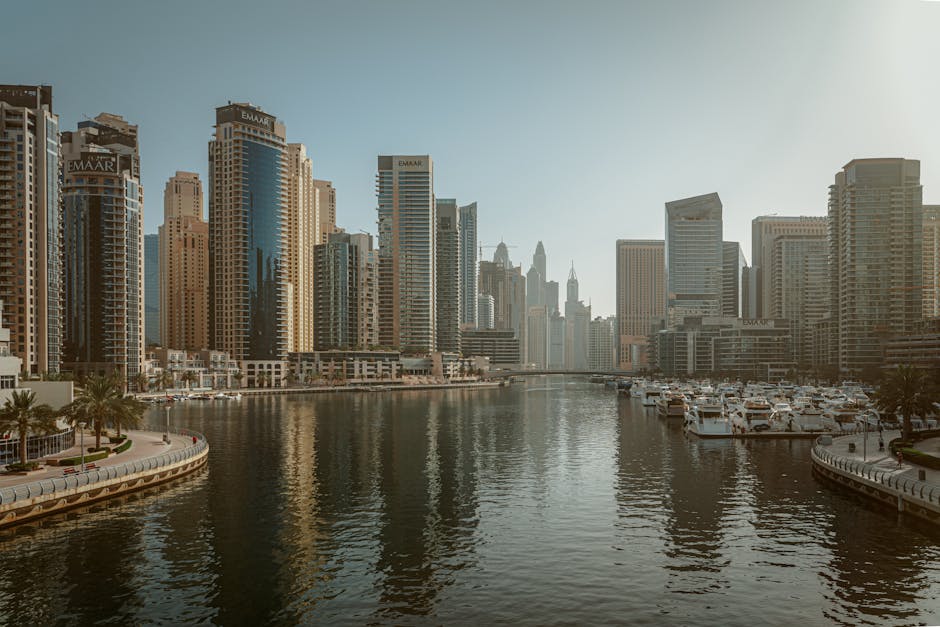
The conventional wisdom that booking flights and hotels separately saves money does not always hold true for Dubai. Emirates Holidays, the tour operator arm of the airline, frequently secures exclusive inventory at Jumeirah and Atlantis properties that is not available to the general public. When these are bundled with an Emirates flight, the total cost can be 20% lower than booking each component individually. This is particularly true for families. Many Emirates Holidays packages include free stays and meals for children under 12, a perk that is rarely offered on standard OTA (Online Travel Agency) sites.
However, the researcher must be wary of “opaque” booking sites. While sites like Hotwire or Priceline can offer deep discounts on “Express Deals” in Dubai, you may end up in a hotel that is technically in the correct neighborhood but lacks easy access to the specific areas you wish to visit. A better approach is to use a price comparison tool to find the lowest base rate, then contact the hotel’s reservation department directly. Mention the price you found and ask if they can match it while including a breakfast credit or a room upgrade. Because hotels pay commissions ranging from 15% to 25% to booking sites, they are often incentivized to give you a better deal to keep the booking direct.
The Role of Flash Sale Sites
Sites like Luxury Escapes or Secret Escapes frequently feature Dubai properties. These deals are typically highly structured, offering a fixed 5-night or 7-night stay with numerous inclusions like airport transfers, multi-course dinners, and spa vouchers. While the upfront cost might seem higher than a base room rate elsewhere, the value-add is substantial for those who plan to spend a lot of time on the resort property. If you are a “resort-only” traveler, these packages are almost always the superior financial choice compared to a room-only booking where a single dinner can cost $150 per person.
Specific Hotel Value Propositions for 2024
To provide concrete examples, we have analyzed three specific properties that consistently offer high value-to-cost ratios. These recommendations are based on their historical pricing patterns and the quality of their amenities relative to their competitors.
Rove Downtown
- Approximate Price: $95 – $140 per night.
- The Pro: Unbeatable location within walking distance of the Dubai Mall and Burj Khalifa. The vibe is modern, social, and devoid of the stuffy formalities of traditional Dubai luxury.
- The Con: Rooms are standardized and relatively small; there are no suites or luxury bathtubs.
- The Deal: Rove often offers a “Pass” that includes tickets to local attractions, which can save a family hundreds of dollars.
JW Marriott Marquis Dubai
- Approximate Price: $190 – $280 per night.
- The Pro: As one of the tallest hotels in the world, the views are spectacular. With over 1,600 rooms, they frequently have excess inventory, leading to aggressive pricing for a five-star experience.
- The Con: The sheer scale of the hotel can make it feel impersonal, and elevator wait times during peak hours can be frustrating.
- The Deal: Look for “Member Exclusive” rates on the Marriott app that include a 2,000-point bonus per night.
Palazzo Versace Dubai
- Approximate Price: $260 – $450 per night.
- The Pro: High-fashion luxury at a fraction of the price of the Burj Al Arab or Atlantis The Royal. The interior design is opulent and highly detailed.
- The Con: Located in Jaddaf Waterfront, which is somewhat isolated. You will need a taxi or shuttle to get anywhere of interest.
- The Deal: During the summer, they often offer a “resort credit” equal to 50% of the room rate, which can be used at their high-end restaurants.
Calculating the Total Cost of Occupancy and Hidden Fees
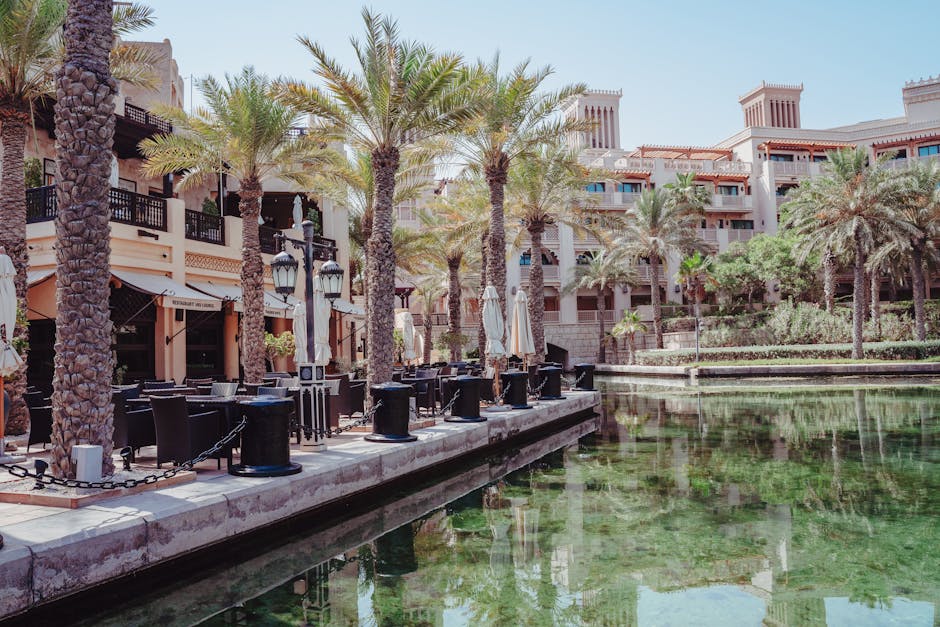
The most common mistake travelers make when hunting for Dubai hotel deals is ignoring the “plus-plus” factor. The price you see on a booking site is rarely the price you pay at checkout. Dubai applies several layers of taxation and fees that can increase your bill by more than 22%. This is not a scam, but a standard regulatory requirement that must be factored into your budget. When comparing two deals, ensure you are looking at the “total inclusive price.”
The breakdown typically includes a 10% Service Charge, a 7% Municipality Fee, and a 5% Value Added Tax (VAT). These are calculated cumulatively. On top of this, there is the “Tourism Dirham” fee. This is a per-room, per-night charge that varies based on the hotel’s star rating. For a 5-star hotel, it is 20 AED (approx. $5.50) per night; for a 4-star, it is 15 AED; and for a 3-star, it is 10 AED. If you book a multi-room suite, you may be charged this fee for each bedroom within the suite. This can add up significantly over a two-week stay.
Understanding the Deposit System
Budgeting for a Dubai stay also requires accounting for the security deposit. Almost every hotel in the city will request a credit card authorization or a cash deposit upon check-in to cover potential incidental charges. This amount can range from 200 AED to 1,000 AED per night. While this is a temporary hold, it can significantly impact your available credit limit. If you are traveling on a tight budget, using a debit card for this can be risky, as the refund process for the hold can take up to 14 business days after you check out. Always use a credit card with a high limit to ensure your daily spending isn’t hampered by these administrative holds.
Ultimately, the best hotel deal in Dubai is found at the intersection of seasonal timing, neighborhood selection, and loyalty maximization. By looking past the initial nightly rate and calculating the total cost of occupancy—including taxes, transport, and dining—you can experience one of the world’s most expensive cities on a surprisingly reasonable budget. The data is clear: those who plan for the heat and understand the tax structure will always come out ahead.