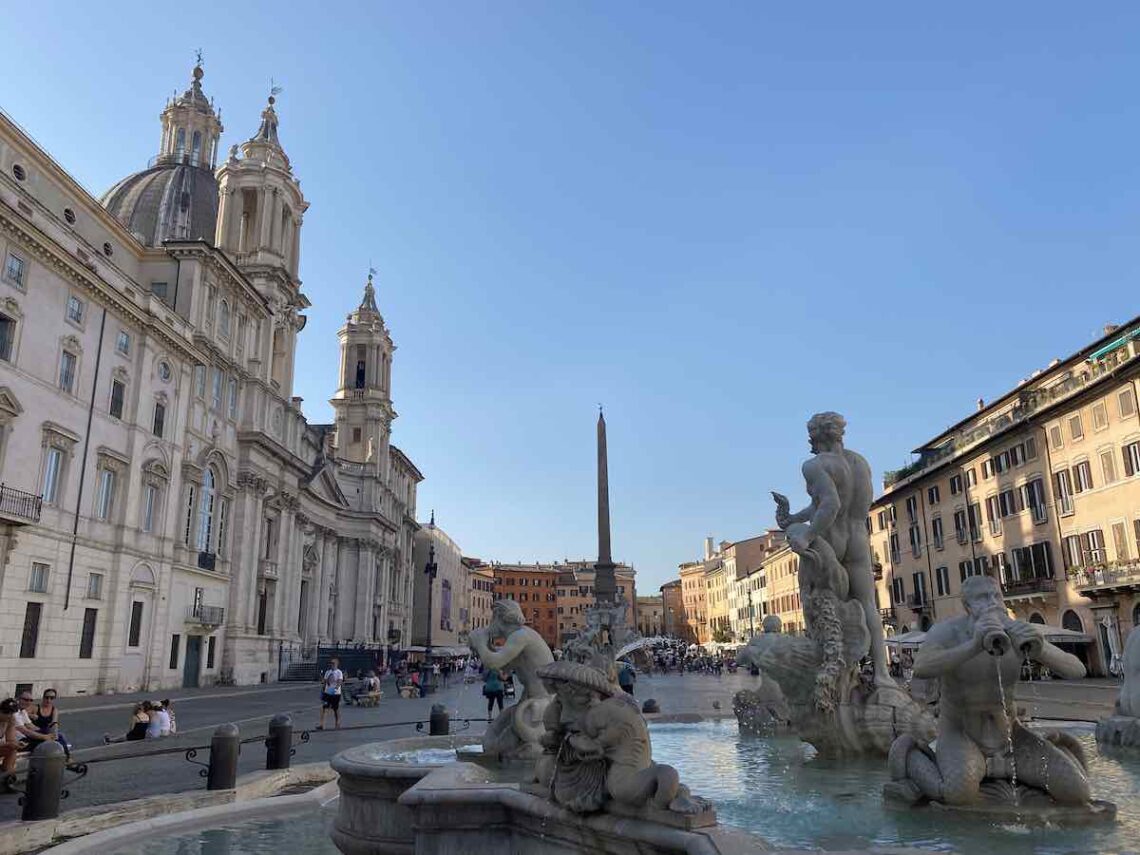

Rome’s public transport carries over 700 million passengers every year. But for a solo first-timer, the system can feel like a maze of confusing tickets, packed buses, and mysterious validation machines. Here’s how to move through Rome like you’ve lived there for years.
Step 1: Buy the Right Ticket Without Getting Scammed
You have three options. Pick the one that matches your stay.
BIT Ticket (€1.50) — For short trips
Valid for 100 minutes on bus, tram, and metro. You can transfer between buses and trams freely, but you can only enter the metro once. Buy it at any tobacco shop (tabacchi) with the “T” sign, metro station ticket machines, or newsstands. Do not buy from street vendors. They sell fake tickets that won’t work at the gates.
Roma Pass (€32 for 48 hours) — For museum-goers
Includes free entry to two museums or archaeological sites, plus unlimited public transport for 48 hours. If you plan to visit the Colosseum or Borghese Gallery, this pays for itself. Buy it online at romapass.it or at tourist info points in Termini Station.
Weekly Pass (€24) — For a full week
Unlimited rides on all ATAC buses, trams, and metro for 7 consecutive days. Best value if you’re staying a week. Available at metro ticket offices and authorized tabacchi.
Avoid buying single tickets on the bus — they cost €2.50 from the driver and require exact change.
Step 2: Validate Your Ticket or Pay a €50 Fine

This is the most common mistake tourists make. Validate your ticket every single time you start a journey.
On the metro: insert the paper ticket into the turnstile slot. It will pop out the other side — take it with you. On buses and trams: look for the yellow or orange validation machine near the doors. Insert your ticket until it prints a timestamp. That stamp proves you paid.
Inspectors patrol regularly. If caught without a validated ticket, the fine is €50-€100, paid on the spot. There is no warning.
Step 3: The Apps You Need Before You Step Outside
Paper maps and guesswork will waste your time. Install these three apps before you arrive.
MooneyGo (free, iOS/Android)
This is the official app for buying ATAC tickets digitally. You buy the ticket in the app, then activate it when you board. The ticket appears as a QR code on your screen. Works for metro gates (scan at the turnstile) and for inspectors (show your phone). No more hunting for a tabacchi at 11 PM.
TicketAppy (free, iOS/Android)
Alternative to MooneyGo. Slightly simpler interface. Same functionality — buy, activate, show. Some travelers find it more reliable for international credit cards.
Google Maps (free)
Rome’s public transport data is fully integrated into Google Maps. It gives real-time bus arrival times, metro schedules, and walking routes. Do not use Apple Maps — it’s less accurate for Italian bus routes.
Pro tip: Download the Rome offline map in Google Maps before you leave your hotel. Cellular data can be spotty underground.
Step 4: Ride the Metro Without Panic

Rome has three metro lines: A (orange), B (blue), and C (green). Line A runs from Battistini in the west to Anagnina in the east. Line B runs from Laurentina in the south to Rebibbia in the northeast. Line C is a partial line serving the eastern suburbs.
The stations you actually need as a tourist:
- Termini — Central train station, connects to both Line A and B
- Spagna — Spanish Steps
- Flaminio — Piazza del Popolo
- Colosseo — Colosseum (Line B)
- Ottaviano — St. Peter’s Basilica (Line A)
- Barberini — Trevi Fountain (10-minute walk)
Trains run from 5:30 AM to 11:30 PM (1:30 AM on Fridays and Saturdays). During rush hour (8-9 AM and 5-7 PM), trains are packed. Keep your bag zipped and in front of you. Pickpockets work the metro doors.
Step 5: Buses and Trams — The Secret to Reaching Hidden Spots
The metro doesn’t reach many of Rome’s best neighborhoods — Trastevere, Testaccio, Monti. Buses and trams fill the gaps.
Key bus routes for tourists
- Bus 64 — Termini to St. Peter’s (notorious for pickpockets)
- Bus 40 — Express from Termini to Castel Sant’Angelo (faster than 64)
- Bus 492 — Crosses the historic center, stops near Piazza Navona
- Tram 3 — Loops around the city, passes Colosseum and Trastevere
- Tram 8 — Connects Largo di Torre Argentina to Trastevere
Buses and trams run less frequently after 9 PM. Wait times can reach 20-30 minutes. Use Google Maps to check real-time arrivals — the data is usually accurate within 2 minutes.
Board through the rear doors on buses. Validate your ticket immediately. Exit through the middle doors.
Step 6: Night Transport — What Works After Midnight
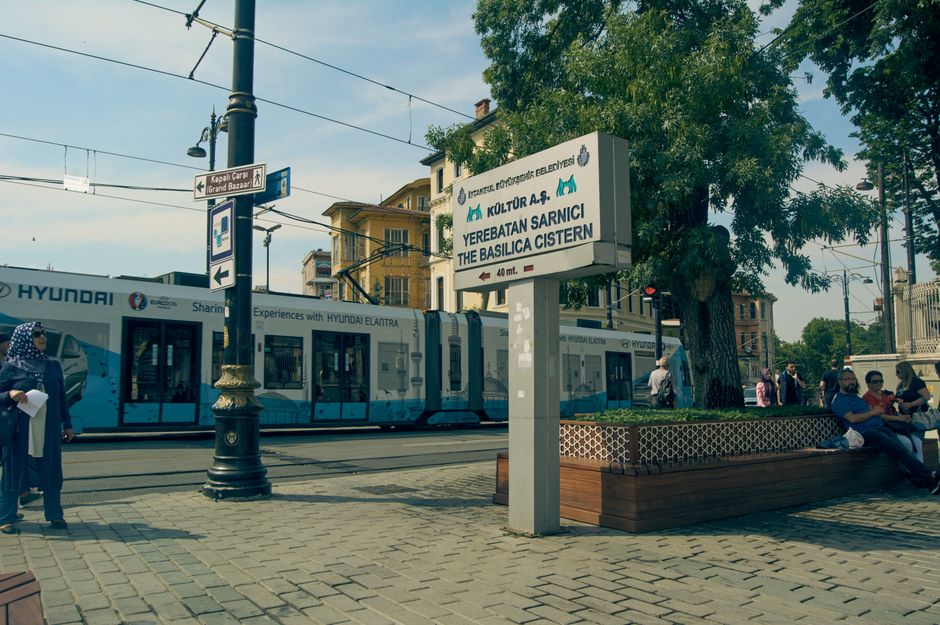
The metro stops at 11:30 PM (1:30 AM on weekends). After that, you rely on night buses. They run on major routes with the “N” prefix (N1, N2, N3, etc.).
Night buses are less frequent — every 30-45 minutes. They are also less safe than daytime buses. Sit near the driver. Keep your phone out of sight. If you’re alone and it’s after 1 AM, consider a taxi or ride-share instead. A taxi from Trastevere to Termini costs about €12-€15.
Official taxis are white with a “TAXI” sign on top. Do not get into unmarked cars. Use the Free Now app (formerly myTaxi) to book an official cab — it shows the fare upfront and lets you pay by card.
Step 7: The One Thing Nobody Tells You About Rome’s Buses
Here’s the truth: Rome’s buses run on chaos. Drivers skip stops. Routes change without notice. “Prossima fermata” (next stop) announcements are often wrong.
Your survival strategy: track your bus on Google Maps in real time. Watch the little bus icon move along the route. When it approaches your stop, press the red “STOP” button on the handrail. If you don’t press it, the driver will fly past your stop.
And if a bus is 20 minutes late, don’t wait. Walk to the nearest metro station or call a taxi. Rome is a walking city — many distances between landmarks are shorter than they look on the map.
| Ticket Type | Price | Validity | Best For |
|---|---|---|---|
| BIT (single) | €1.50 | 100 minutes, 1 metro entry | 1-2 rides per day |
| Roma Pass 48h | €32 | 48 hours unlimited transport + 2 museum entries | Museum + transport combo |
| Weekly Pass | €24 | 7 consecutive days unlimited | Full week stay |
| Bus ticket from driver | €2.50 | 100 minutes | Emergency only (exact change required) |
Rome’s public transport is not perfect. It’s crowded, late, and confusing at first. But it’s also the cheapest way to cover ground. Once you understand the ticket system and the key routes, you can move through the city with confidence. Start with the MooneyGo app. Validate every ticket. Watch your bag. And when in doubt, walk.