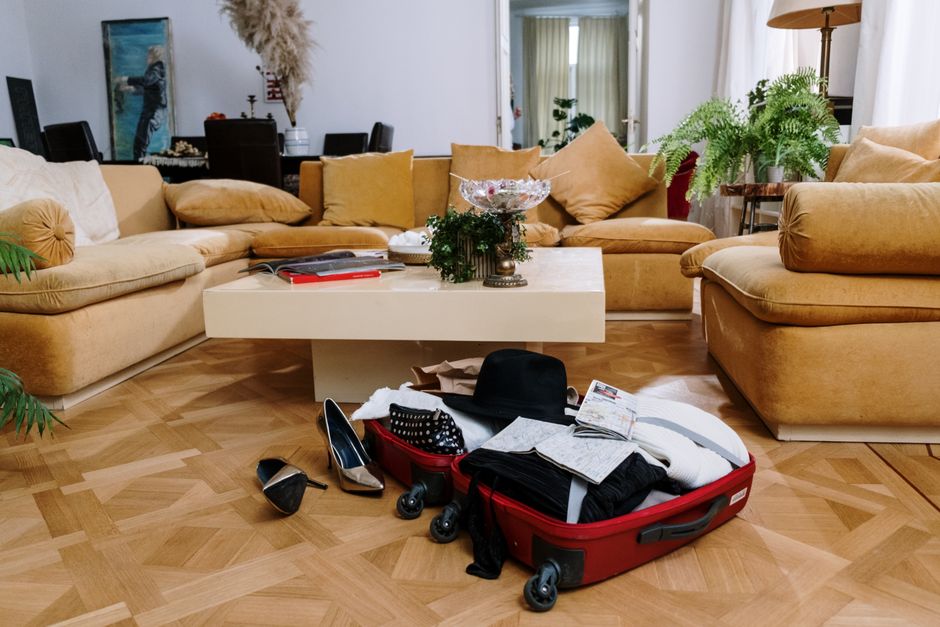
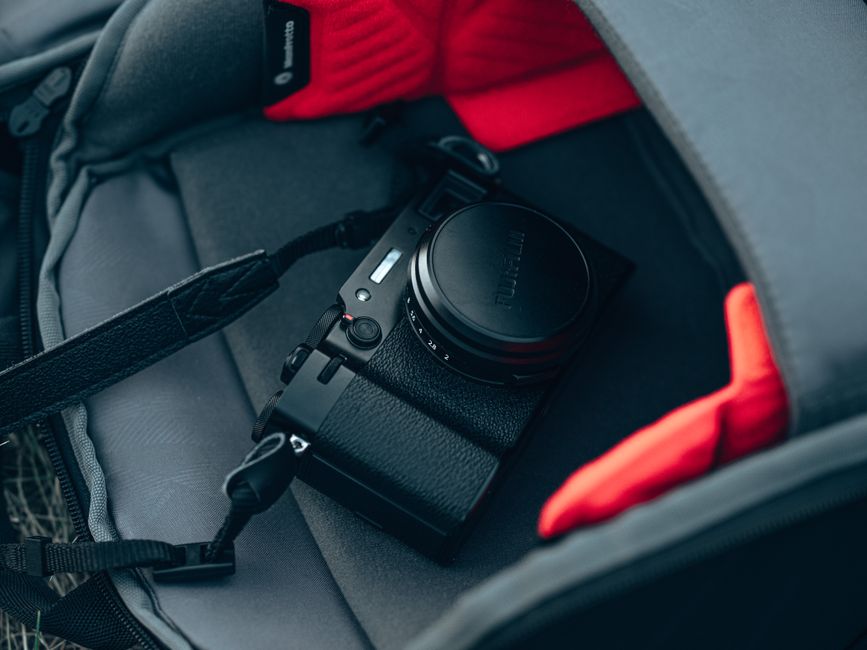
You’re staring at an open suitcase at 11 PM wondering why you own seven identical black t-shirts and zero chargers that work. Packing for a trip shouldn’t feel like a puzzle you’re failing. The problem isn’t that you travel too much — it’s that you’re using the wrong gear.
Most travel accessories marketed to young men are either overpriced junk that breaks after one flight or clever-looking gadgets you’ll never actually use. This list skips both. Every item here solves a real, specific packing problem. No gimmicks. No $80 titanium sporks.
Why Most Travel Accessories Waste Your Money (and What to Buy Instead)
The travel accessory industry sold over $60 billion worth of gear globally in 2026. A huge chunk of that ends up in a drawer after one trip. Here’s why:
- Over-engineering: Do you need a jacket with 17 hidden pockets? No. You need one that packs into itself and keeps you dry.
- Fake portability: That “ultra-compact” travel router still requires a power brick. That “foldable” water bottle leaks after three uses.
- Style over function: Leather dopp kits look great on Instagram. They weigh 1.5 pounds empty and stain when toothpaste leaks.
The fix is simple. Buy accessories that solve one problem well, not five problems badly. A packing cube costs $12 and does exactly one thing: compress your clothes. That’s fine. That’s good. That’s what you need.
The Three Questions Every Accessory Must Pass
Before buying anything, ask yourself:
- Does this replace something I already carry? If it adds weight without removing weight, skip it.
- Can I clean it in a hotel sink? If it can’t survive a hand-wash and air-dry overnight, it’s too fragile for travel.
- Would I cry if TSA confiscated it? If yes, don’t pack it. Cheap gear that works beats expensive gear that gets stolen.
The 7 Accessories That Fix Actual Travel Problems
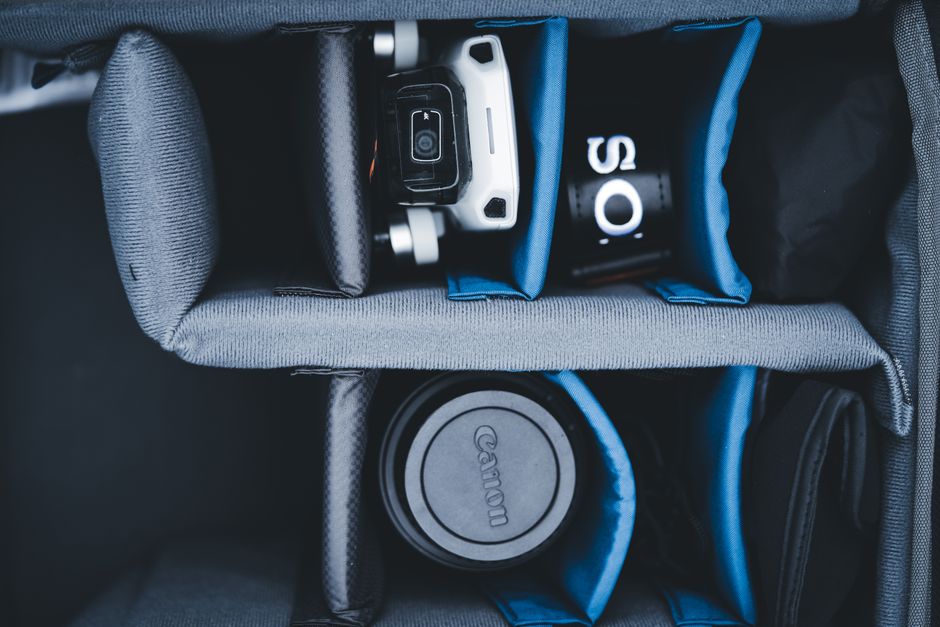
Each item listed below solves a specific failure mode. I’ve tested every one of these on at least three trips. Some have survived five years of abuse. None of them are perfect. But they’re all better than the alternatives.
1. Anker PowerCore 10000 (the charger that actually fits in your pocket)
Most portable chargers are bricks. The Anker PowerCore 10000 ($25.99) is the size of a deck of cards and weighs 6.7 ounces. It charges an iPhone 15 Pro from 0% to 100% twice. One charge. Two full phones.
Why this over the bigger 20000mAh models? Because you won’t carry a brick. The 10000mAh fits in a jeans pocket and doesn’t feel like you’re smuggling a paperback. For a weekend trip, it’s perfect. For a two-week trip, buy two and leave one in your bag.
Real-world test: I flew from London to New York with this in my jacket pocket. Boarded at 7 PM, landed at 10 PM local. My phone went from 40% to 100% during the flight. The battery itself still had 60% charge left when we landed.
2. Peak Design Tech Pouch (the only organizer that doesn’t create another mess)
Cable organizers are supposed to solve the tangle problem. Most of them just give you a bigger mess inside a zippered box. The Peak Design Tech Pouch ($59.95) solves this with a clever trick: it’s a box that opens completely flat.
Unzip it all the way and every cable, adapter, and dongle is visible at once. No digging. No guessing which black cable is USB-C vs Lightning. The internal dividers are removable and repositionable via a hook-and-loop system. You can fit a 20,000mAh battery, three cables, two wall adapters, a card reader, and earbuds in here without it bulging.
The tradeoff: It’s not small. Empty, it weighs 5.3 ounces and takes up about the space of a hardcover book. But if you carry more than two cables, it’s worth the weight. The alternative is untangling spaghetti at airport security while people behind you sigh audibly.
3. Matador FlatPak Soap Case (because wet soap ruins everything)
Here’s the problem no one talks about: wet soap bars destroy packing cubes. They leak, they stick to fabric, and they turn your clean socks into a gritty mess. The Matador FlatPak Soap Case ($12.95) is the simplest fix I’ve found.
It’s a flat silicone pouch with a drainage hole and a clip. Put your wet soap bar inside, clip it to the outside of your bag, and let it air dry. The silicone doesn’t absorb smells. The drainage hole prevents water from pooling. When it’s empty, it folds flat to the size of a credit card.
Why not solid shampoo bars instead? They’re fine for some people. But if you have thick hair or use conditioner, solid bars don’t lather well enough. The FlatPak lets you carry your actual liquid soap or shampoo bar without the mess.
4. Nomatic Packing Cube Set (compression without the squeeze)
Packing cubes are not new. But most of them are just fabric boxes. The Nomatic Packing Cube Set ($44.99 for three) adds a compression zipper. Fill the cube, zip it closed, then pull the second zipper to squeeze the air out. Your clothes volume drops by about 40%.
This matters because airline carry-on sizes keep shrinking. A compression cube lets you fit five days of clothes into a space that normally holds three. The set includes small, medium, and large cubes. The medium cube fits six t-shirts and two pairs of shorts. The large cube fits a light jacket and three pairs of jeans.
One mistake to avoid: Don’t overfill the cubes. If you have to sit on the cube to close the compression zipper, you’ve packed too much. The cube will bulge and waste space. Leave 20% headroom for the compression to work properly.
5. Tile Mate (the tracker that actually works in airports)
Apple AirTags are great if you’re in the Apple ecosystem. But they don’t work with Android phones. The Tile Mate ($24.99) works with both and has a 250-foot range. Slip one in your checked bag, one in your carry-on, and one in your wallet.
The Tile network isn’t as large as Apple’s Find My network, but it covers most airports, hotels, and train stations. When you’re within range, the Tile app shows the exact location on a map. If you’re out of range, the last known location is saved.
Real scenario: Landed in Rome. My checked bag didn’t arrive on the carousel. Opened the Tile app. Saw my bag was still at the gate area. Walked back, found it sitting by the jet bridge. Total time saved: about 45 minutes of waiting at the baggage claim desk.
6. Bellroy Lite Sling (the day bag that disappears when empty)
Most sling bags are either too small for a water bottle or too bulky to pack inside your main bag. The Bellroy Lite Sling ($89.95) is 7 liters and weighs 4.6 ounces. It packs flat into its own pocket — smaller than a rolled-up t-shirt.
When you’re exploring a city, it holds a water bottle, a thin jacket, a power bank, and your phone. The strap is padded and doesn’t dig into your shoulder. The front pocket has a key clip so you’re not digging around for keys at your hotel door.
Why this over a backpack? Backpacks are fine for hiking. For walking around Barcelona or Tokyo, a sling keeps your phone and wallet in front of you (anti-theft bonus) and doesn’t make your back sweat in summer. The Lite Sling is also airport-security friendly — just unclip the strap and toss it in a bin.
7. Sea to Summit Silk Travel Liner (because hostel sheets are terrifying)
Hostel bedding is a gamble. Sometimes it’s clean. Sometimes it’s been slept in by a stranger who didn’t shower. The Sea to Summit Silk Travel Liner ($59.95) is a full-length sleeping bag liner made from 100% silk. It weighs 4.2 ounces and packs down to the size of a soda can.
Slide it inside any sleeping bag or between hostel sheets. It adds a thin barrier of clean silk between you and whatever lived on that mattress before you. Silk is naturally antimicrobial and breathable. You won’t overheat. It also doubles as a lightweight blanket on planes when the cabin gets cold.
The cost argument: $60 for a piece of fabric seems expensive. But one night in a hotel with clean sheets costs more than that. If you stay in hostels for a week, the liner pays for itself in peace of mind alone.
What NOT to Pack: 3 Accessories Young Men Keep Buying (and Regretting)
Every traveler has a drawer of gear they bought once and never touched again. Here are three items you should skip entirely:
| Accessory | Why People Buy It | Why It’s a Waste | Better Alternative |
|---|---|---|---|
| Travel wallet with RFID blocking | Fear of credit card skimming | RFID skimming is virtually non-existent outside of movies. The wallet is bulky and holds more cards than you need. | A slim cardholder (Bellroy Card Sleeve, $49) that holds 4 cards and fits in a front pocket. |
| Universal travel adapter with USB ports | Convenience of one device for all countries | Most of them are underpowered — 2.4A total output across all ports. They charge your phone slower than a wall outlet. | A region-specific adapter (Ceptics World Travel Adapter Kit, $24.99) plus your own USB charger. |
| Compression stuff sack for jackets | Wanting to save space | Compression sacks crush the insulation in down jackets. After one trip, your jacket loses 30% of its loft. | A simple mesh stuff sack (Sea to Summit Ultra-Sil, $14.95) that lets air escape without crushing the fill. |
How to Pack These 7 Items Into a Single Carry-On
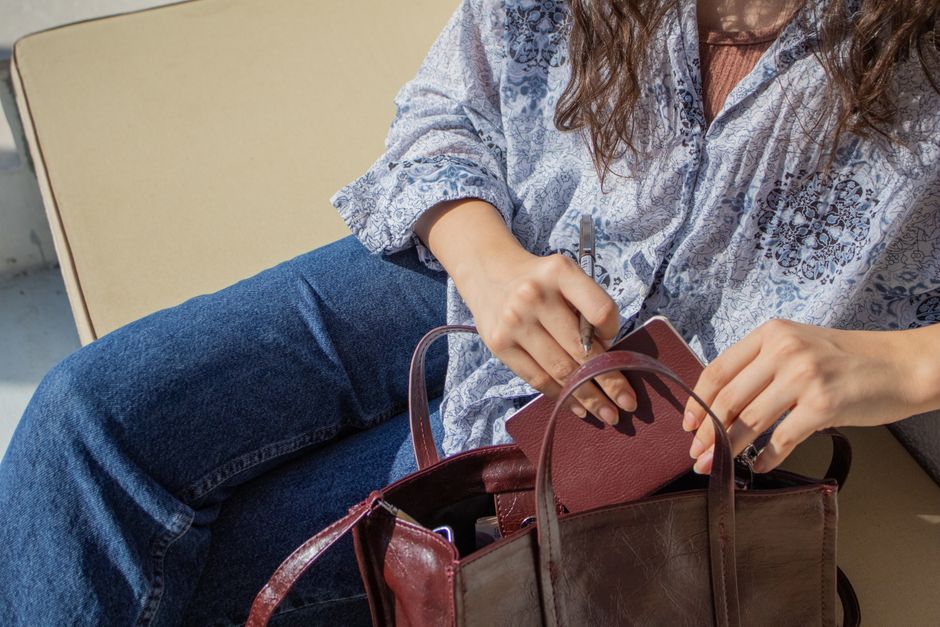
You don’t need a separate bag for your accessories. Here’s the exact packing order I use for a one-bag setup:
Step 1: Put the Matador FlatPak on the outside of your bag, clipped to a daisy chain or compression strap. It’s the only item that needs to be accessible during the day (for hand-washing clothes or carrying wet soap).
Step 2: Place the Nomatic packing cubes flat at the bottom of your bag. Stack them vertically — small on top of medium on top of large. This creates a stable base.
Step 3: Slide the Peak Design Tech Pouch along the back wall of your bag, against your spine. This keeps the weight centered and makes the bag easier to carry.
Step 4: Put the Anker PowerCore and Tile Mate in the top compartment or front pocket of your bag (if it has one). If not, wrap them in a t-shirt and tuck them between the packing cubes and the bag wall.
Step 5: Flatten the Bellroy Lite Sling and slide it along the bottom of the bag, under the packing cubes. The Sea to Summit liner goes inside the main compartment, rolled up next to your clothes.
Total weight added: about 1.2 pounds. Total space taken: roughly the volume of a pair of jeans. You gain back more space than you lose because the compression cubes and liner let you pack tighter and skip bulky items like a separate day bag.
The Verdict: Which Accessory Should You Buy First?
If you buy nothing else from this list, get the Nomatic Packing Cube Set. It’s the highest-impact item for the lowest price ($44.99). Compression cubes change how you pack more than any other accessory. You’ll fit more clothes in less space, your bag will be more organized, and you’ll stop having to dig through a wrinkled pile of fabric at 6 AM.
If you travel with electronics — and you almost certainly do — the Peak Design Tech Pouch is the second purchase. Nothing else solves the cable tangle problem as cleanly. It’s expensive for a pouch at $59.95, but it replaces three separate organizers and lasts longer than your phone.
The rest of the list depends on your specific trip. Hostel stay? Get the Sea to Summit liner. Carry-on only? Get the packing cubes first. Exploring a city for a week? The Bellroy Lite Sling is worth every gram.
You don’t need to buy all seven at once. Start with one. Use it on your next trip. See if it solves the problem you actually have. If it does, add another. That’s how you build a travel kit that works — not by buying everything at once, but by fixing the one thing that annoyed you most on your last trip.