You walk into a bar in Rome at 10 AM. You say, “I’d like a latte, please.” The barman hands you a tall glass of cold milk. You paid €3 for warm milk. This is your fault, not his.
Italians do coffee differently. The rules are strict, the vocabulary is specific, and tourists mess it up constantly. I’ve lived here five years. I’ve watched thousands of people order wrong. Here’s how to get it right on the first try.
The One Rule That Changes Everything: Coffee Is a Standing Drink
In Italy, coffee is not a sit-down experience. It’s a 90-second transaction at the bar. You walk in, pay first at the register, hand the receipt to the barista, say your order, drink it standing, and leave. That’s the baseline.
If you sit down at a table, expect a surcharge of €2–€4. A €1.20 espresso at the bar becomes €3.50 at a table. The coffee is identical. You’re paying for the chair. Locals stand. Do the same.
Here’s the workflow:
- Go to the cash register. Say what you want (or point at the menu). Pay.
- Take the receipt to the barista at the espresso machine. Say your order again.
- Drink it at the counter. Return your cup. Leave.
Total time: under two minutes. This is not rude. This is normal.
What to Actually Say: The 7 Coffee Orders You Need
You don’t need twenty phrases. You need seven. Memorize these before you land.
Un Caffè (oon kaf-FEH) — The Default
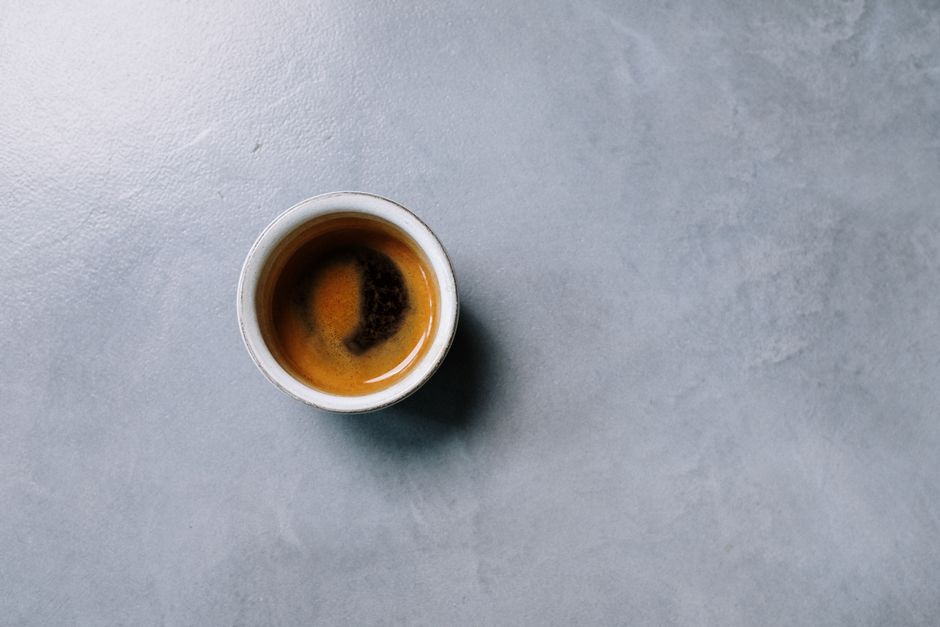
This is a single shot of espresso. Nothing else. If you say “un caffè,” this is what you get. It costs around €1.00–€1.30. It’s served in a small ceramic cup. Drink it in two or three sips. Do not ask for a bigger cup. Do not ask for milk.
Un Caffè Macchiato (oon kaf-FEH mahk-kee-AH-toh) — Espresso with a Spot of Milk
“Macchiato” means “stained.” This is espresso stained with a tiny dollop of steamed milk foam. Not a latte. Not a grande anything. A thumb-sized cup with a white spot on top. Perfect if you want slightly less intensity than straight espresso.
Un Cappuccino (oon kahp-poo-CHEE-noh) — Breakfast Only
Here is the rule that will save you from looking like a tourist: Never order a cappuccino after 11 AM. Italians drink cappuccino only with breakfast. The milk is heavy. They believe it upsets digestion after a meal. You will get judgmental looks if you order one at 2 PM. I don’t make the rules. I just warn you.
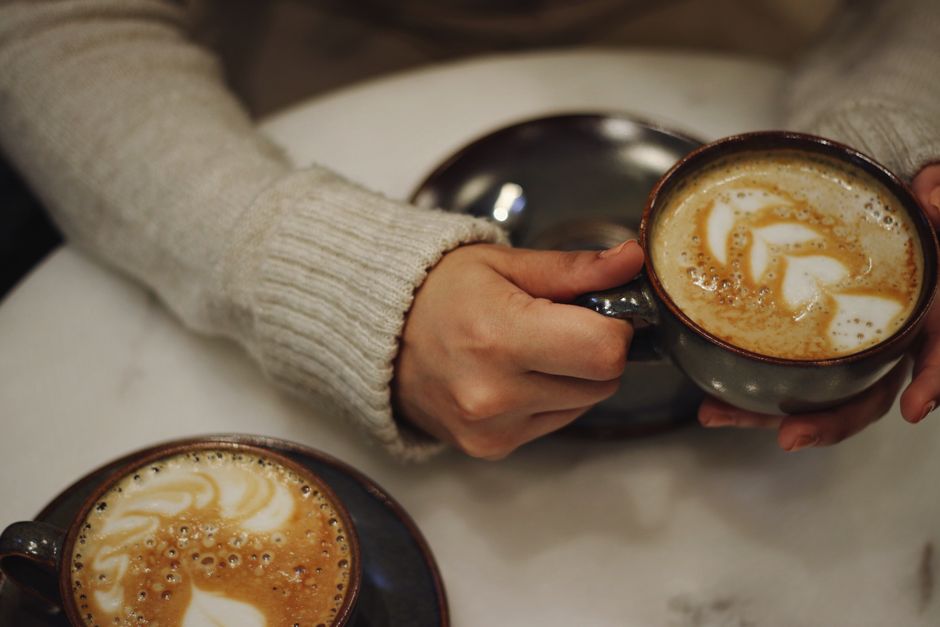
A proper Italian cappuccino is 150–180ml total. Equal parts espresso, steamed milk, and foam. It’s not the giant foamy bucket you get at Starbucks. It’s smaller, stronger, and better.
Un Caffè Latte (oon kaf-FEH LAHT-teh) — Hot Milk with Coffee
If you say “latte” alone, you get milk. Plain milk. You must say “caffè latte.” This is espresso topped with hot milk. No foam. Served in a glass. Also a breakfast drink. Same 11 AM cutoff applies.
Un Caffè Americano (oon kaf-FEH ah-meh-ree-KAH-noh) — Watered-Down Espresso
Espresso diluted with hot water. For people who want a larger cup. It’s not drip coffee. It’s espresso + water. Tastes different. Accept this.
Un Caffè Corretto (oon kaf-FEH koh-REHT-toh) — Coffee with a Shot of Liquor
“Corrected” coffee. Espresso with a splash of grappa, sambuca, or brandy. This is an after-dinner or mid-afternoon drink. Not for breakfast. You’ll get a small cup with a liquor bottle on the side. Pour in as much as you want. Usually €2.50–€3.50.
Un Caffè Freddo (oon kaf-FEH FRED-doh) — Cold Espresso
Served already chilled, often pre-sweetened. Comes in a small glass. Not iced coffee from a machine. Real cold espresso. Perfect for summer afternoons.
Critical Mistakes That Mark You as a Tourist (And How to Avoid Them)
I’ve watched people make these exact errors at least fifty times. Don’t be that person.
Mistake #1: Ordering a “latte.” Already covered. Say “caffè latte” or accept your glass of milk.
Mistake #2: Asking for a “double” or “extra shot.” Italian espresso is already strong. A single shot is 7–8 grams of coffee. A double (doppio) exists but is rare. You won’t find Starbucks-style customization. Accept the standard size.
Mistake #3: Adding sugar before tasting. Italian espresso is roasted differently than American coffee. It has less bitterness. Try it plain first. Most Italians don’t add sugar. You might not need it either.
Mistake #4: Taking too long to drink. Coffee is meant to be consumed quickly. It cools fast. The foam collapses. Drink it within a minute. Lingering over a cappuccino for twenty minutes is weird.
Mistake #5: Ordering a cappuccino with lunch or dinner. I’ve seen Italians visibly wince at this. Just don’t.
The Price Breakdown: What You Should Pay in 2026
Prices vary by city. Here’s what you should expect to pay at a normal bar (not a tourist-trap piazza spot).
| Drink | Price at Bar (Standing) | Price at Table (Seated) |
|---|---|---|
| Un Caffè (espresso) | €1.00–€1.30 | €2.50–€4.00 |
| Cappuccino | €1.30–€1.80 | €3.00–€5.00 |
| Caffè Latte | €1.50–€2.00 | €3.50–€5.50 |
| Caffè Macchiato | €1.00–€1.40 | €2.50–€4.00 |
| Caffè Corretto | €2.50–€3.50 | €4.00–€6.00 |
| Caffè Americano | €1.20–€1.60 | €2.80–€4.50 |
If you see a bar charging €2.00 for a standing espresso in a non-tourist area, you’re being ripped off. Walk out. Find another bar. They’re everywhere.
When to Break the Rules (And When Not To)
The 11 AM cappuccino rule has exceptions. Tourists in hotels get a pass. If you’re staying at a hotel that serves breakfast until noon, ordering a cappuccino at 11:30 AM is fine. You’re in a private breakfast setting. Nobody cares.
But in a public bar at 2 PM? No. Order a caffè macchiato instead. You get milk, but less of it, and nobody judges you.
Another exception: you’re sick. Italians understand that a cold or sore throat sometimes requires warm milk later in the day. You’ll get a sympathetic nod and a cappuccino. Use this card sparingly.
The rule you should never break: don’t ask for modifications. No soy milk. No oat milk. No almond milk. No sugar-free syrup. No decaf after noon (decaf is called “caffè decaffeinato” or “caffè Hag” after the brand). Italian baristas are not Starbucks employees. They make coffee their way. Accept it or drink water.
How to Handle the Receipt System Without Panicking
This confuses almost every first-time visitor. You walk in. There’s no line at the counter. The barista looks at you. You say “un caffè.” He says “il scontrino” (the receipt). You stare blankly.
Here’s what happened: you need to pay first. The barista can’t make your coffee until you show proof of payment. Go to the register (usually near the entrance), pay, get the receipt, hand it to the barista, then say your order again.
Pro tip: If the bar is busy, you can order and pay at the register simultaneously. Say “un caffè, per favore” to the cashier. They’ll ring it up. You pay. They hand you the receipt. You take it to the barista. Done.
At some bars, especially in smaller towns, the barista will just make your coffee and you pay after. This is trust-based. If you see locals doing this, follow their lead. If not, use the receipt system.
One Final Thing: The Coffee Is Better Here
Italian coffee isn’t just a different way of ordering. The beans are roasted darker. The machines are calibrated differently. The water is softer. The result is a drink that tastes noticeably smoother than what you get in most other countries.
I’ve had espresso in thirty countries. Italian espresso, from a random bar in a random alley, beats most specialty coffee shops in London or New York. Don’t overthink it. Don’t customize it. Just drink it the way it comes.
Stand at the counter. Say “un caffè.” Drink it in two sips. Walk out. You’ve done it right.