Most visitors to Kyoto try to see 12 temples in 48 hours and end up exhausted, broke, and unable to name a single garden they actually remember. That approach misses the point entirely. Kyoto rewards slowness. A single zen garden observed for twenty minutes reveals more than a rushed checklist of five.
This itinerary for 2026 deliberately cuts the fat. Four days, five core experiences, and a budget that won’t ruin your trip. You will leave having actually felt the city, not just photographed it.
Day 1: The Eastern Hills Loop — Why Most People Get It Wrong
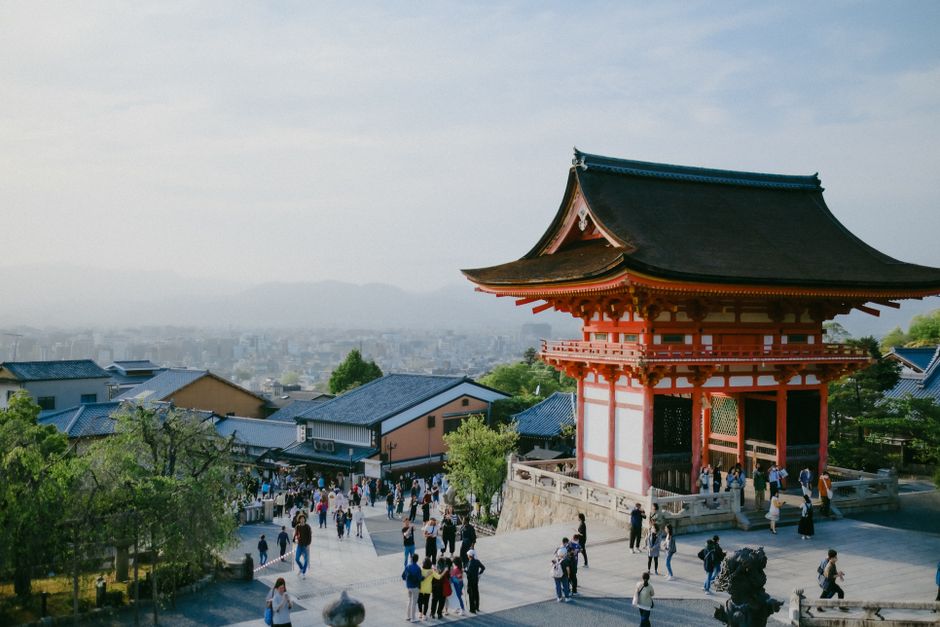
The standard advice is to start at Kiyomizu-dera at dawn and walk the Philosopher’s Path. That advice ignores the crowds. By 8:30 AM, Kiyomizu-dera’s main platform is shoulder-to-shoulder. The better move: reverse the route.
Start at Nanzen-ji (7:00 AM)
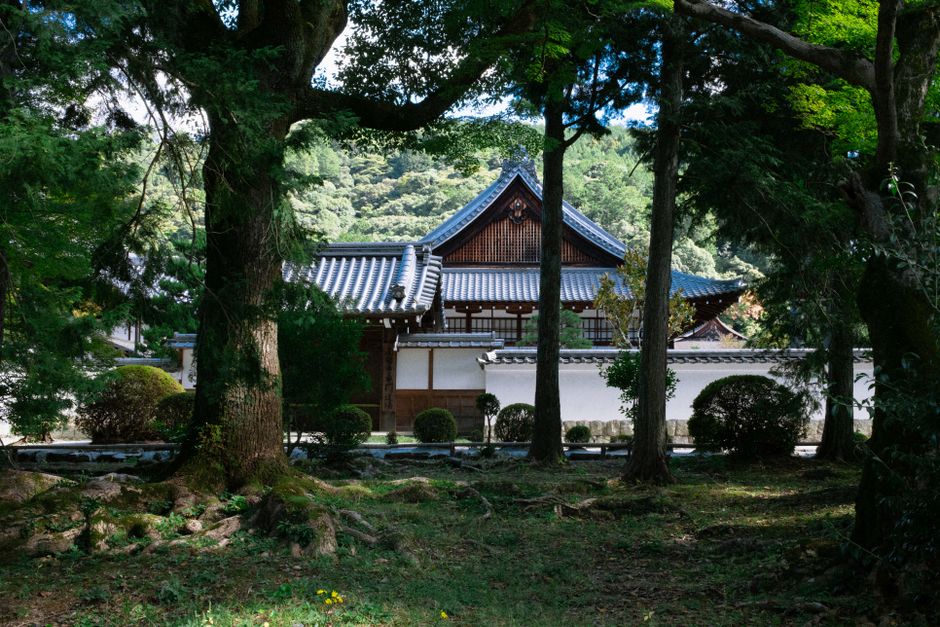
Nanzen-ji opens its grounds early. The massive Sanmon gate costs ¥600 ($4) to climb. At 7:15 AM, you will have the view of Kyoto’s eastern hills almost entirely to yourself. The sub-temple, Tenju-an, has a tiny rock garden most tourists miss. Free with your gate ticket.
Walk South Through the Backstreets
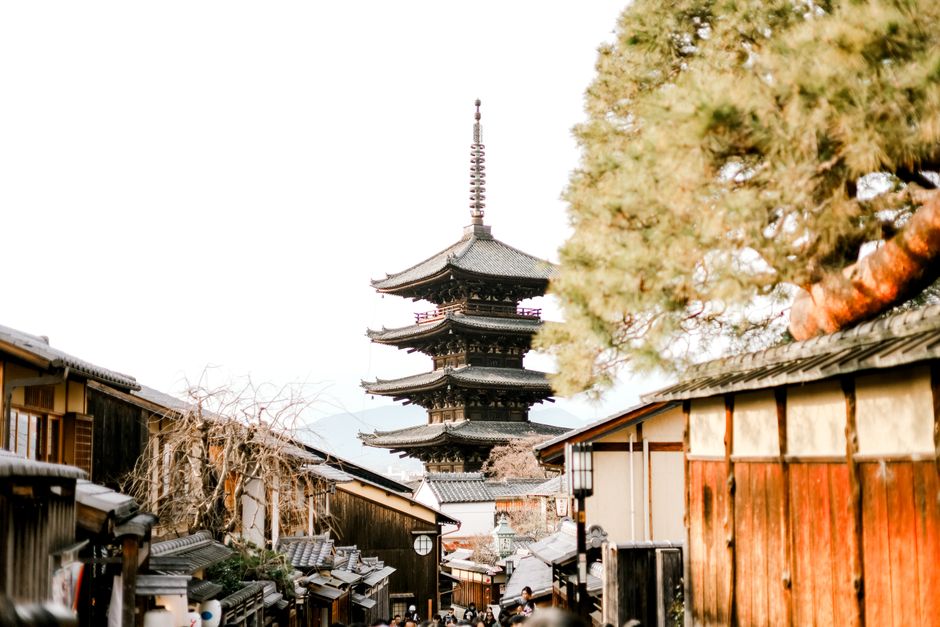
Instead of the main path, take the narrow lane behind Kiyomizu-dera called Ninen-zaka. It is cobblestone, steep, and lined with machiya townhouses. Most shops open at 9:00 AM, so arrive at 9:15 for the quietest window. By 10:30, tour buses arrive. Be gone by then.
Lunch at Honke Owariya (11:30 AM)
This soba restaurant has been operating since 1465. The kamo nanban (duck soba) costs ¥1,800 ($12). They take no reservations for lunch. Arrive before 11:45 or wait 45 minutes. It is worth the wait.
Budget for Day 1: ¥3,500 ($24) for food + ¥1,200 ($8) for temples. Total: ¥4,700 ($32).
Day 2: The Art of Not Going to Arashiyama at 10 AM
The Arashiyama Bamboo Grove is the most photographed spot in Kyoto. It is also the most disappointing if you arrive at peak hours. The grove itself is a 200-meter path. It takes 5 minutes to walk. The real magic is the surrounding area.
Go at 6:00 AM — The Only Time That Works
Sunrise in June 2026 is around 4:45 AM. By 6:00 AM, the grove has light and roughly 8 other people. Bring a tripod if you want photos without humans. By 7:30 AM, the selfie sticks arrive. Leave.
Then Walk to Okochi Sanso Villa (7:45 AM)
Most tourists skip this. The villa was the home of silent film actor Denjiro Okochi. The garden is meticulously maintained, with views over the entire city. Entrance costs ¥1,000 ($7) and includes matcha tea and a sweet in the tea house. Stay for 45 minutes. The garden is almost empty until 10:00 AM.
Afternoon: The Northern Temple Circuit (Skip Kinkaku-ji if Short on Time)
Kinkaku-ji (the Golden Pavilion) is stunning for exactly 4 minutes. Then you are shuffled along a one-way path with 300 other people. Ryoan-ji is a better use of two hours. The rock garden is famous, but sit on the veranda for 15 minutes. The moss patterns change with the light. Admission: ¥600 ($4).
| Temple | Admission | Average Visit Time | Crowd Level (10 AM) |
|---|---|---|---|
| Kinkaku-ji | ¥600 ($4) | 25 min | Extreme |
| Ryoan-ji | ¥600 ($4) | 45 min | Moderate |
| Ninna-ji | ¥800 ($6) | 60 min | Low |
Day 3: Fushimi Inari and the Merchant District — A Morning-Only Strategy
Fushimi Inari-taisha, with its thousands of vermilion torii gates, is open 24 hours. The mistake is going at noon. The gates are packed, and the hike to the summit takes 2 hours in summer heat.
The 7:00 AM Window
Arrive at 7:00 AM. The main path is lit but not crowded. Walk to the Yotsutsuji intersection (halfway point). That takes 30-40 minutes. The view over Kyoto is clear. Turn around. The upper half is identical gates with no view. You saved 90 minutes.
Nishiki Market at 11:00 AM (Not 1:00 PM)
Nishiki Market is a narrow, five-block-long market street. By 1:00 PM, it is impassable. Go at 11:00 AM. Try tamagoyaki (rolled omelette on a stick, ¥200/$1.50) from the stall at the east end. Sample yuba (tofu skin) from the shop near the center. Most stalls close by 5:00 PM.
Common mistake: buying the expensive matcha ice cream from the first shop you see. Walk to the middle of the market. The shop called Ueda sells a richer, less sugary version for ¥350 ($2.50) vs. the ¥500 ($3.50) tourist stalls at the entrance.
Day 4: A Day Trip That Actually Works — Uji or Kurama?
Most day trips from Kyoto go to Nara. Nara is fine. But the deer are aggressive, and the main temple is under renovation until late 2026. Two better options exist.
Option A: Uji (30 minutes from Kyoto Station)
Uji is the birthplace of matcha. It is smaller, quieter, and cheaper than Kyoto. The Byodo-in Temple (¥700/$5) is on the 10-yen coin. The Phoenix Hall is a UNESCO site. Then walk to Nakamura Tokichi for a matcha parfait (¥1,200/$8). The line is long, but it moves fast. Total day cost: ¥3,000 ($20) including transport.
Option B: Kurama and Kibune (1 hour from Kyoto Station)
Take the Eizan Railway to Kurama. The Kurama-dera Temple is a steep 30-minute hike through a cedar forest. At the top, a hot spring (Kurama Onsen) costs ¥2,500 ($17) for entry. No towels provided. Bring your own or rent for ¥300 ($2). The hike + onsen combo is the most restorative single day in the region. Total day cost: ¥4,500 ($30).
My pick for 2026: Kurama. The onsen is a genuine Japanese experience most tourists skip because they don’t know it exists. You will remember the cedar forest and the hot spring longer than any temple.
Money and Timing: Three Things That Save You ¥10,000 ($68)
Kyoto is expensive. But three specific strategies cut costs without cutting experience.
1. Buy a bus day pass from the driver (¥700/$5). A single bus ride costs ¥230 ($1.60). Three rides and the pass pays for itself. Most subway stations also sell them. Do not buy the 2-day pass unless you plan 6+ bus rides each day. It rarely makes sense.
2. Eat at department store basements for dinner. The basement of Daimaru near Kyoto Station sells high-quality bento boxes for ¥800-1,200 ($5-8) after 6:00 PM. The same quality in a restaurant costs ¥2,500 ($17). Take your bento to the station’s open-air terrace on the 10th floor. Free view of the city. Free seating.
3. Skip the Japan Rail Pass if you stay in Kyoto for 4 days. The 7-day JR Pass costs ¥50,000 ($340) in 2026. Your local train and bus costs for 4 days in Kyoto are roughly ¥5,000 ($34). The pass is a loss unless you then take a Shinkansen to Tokyo or Hiroshima. For a Kyoto-only trip, buy an ICOCA card (¥2,000/$14 deposit, ¥1,500/$10 usable balance) and reload as needed.
The single most important takeaway: Kyoto is a city of seasons and silences — go early, go slow, and skip half the things on your list.