
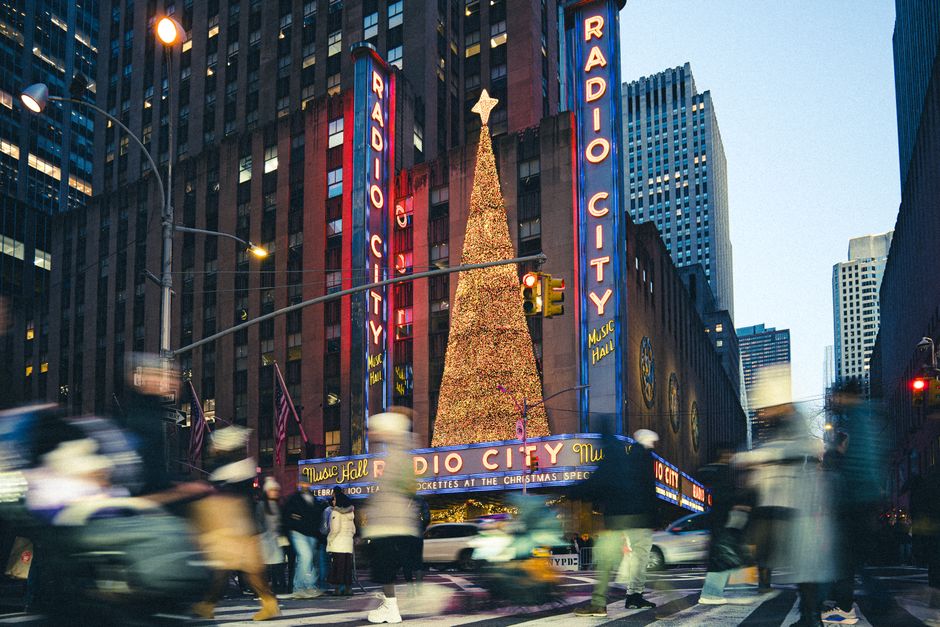
The 2026 Rockefeller Center Christmas Tree is a 76-foot Norway spruce covered with more than 50,000 multicolored LED lights strung across roughly five miles of wire. That spectacle is real, but it is only one part of a good holiday trip. The mistake is treating Manhattan like a theme park and trying to cross the entire city every day.
This plan groups nearby sights, protects time for warm meals, and leaves room for weather delays. No state law is being discussed here. This is not legal advice — consult a licensed attorney.
What Should You Do on Days 1 and 2?
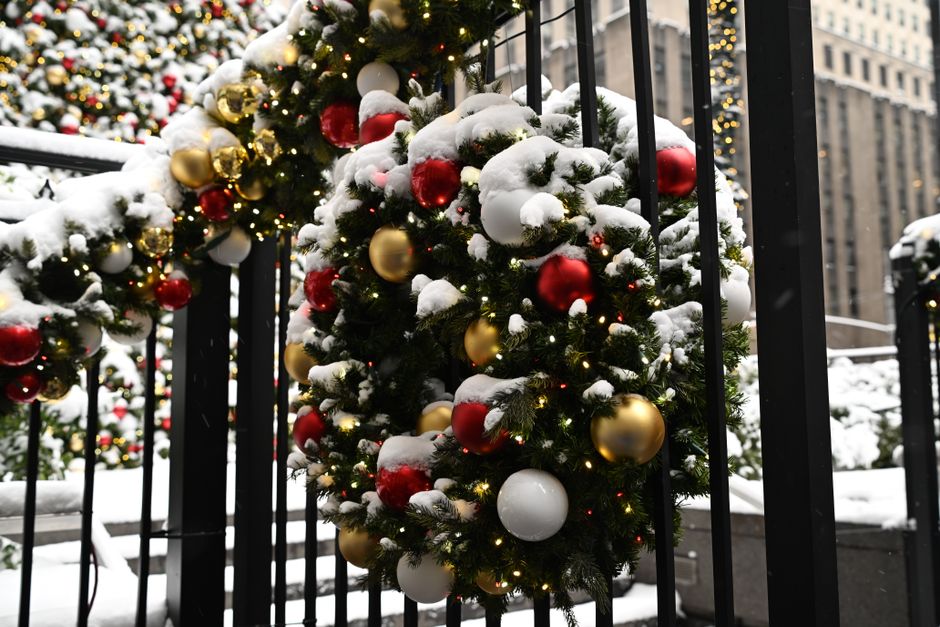
Start with the city’s most recognizable holiday core, then move south through Manhattan. The table below keeps each day inside a logical geographic zone.
| Day | Morning | Afternoon | Evening | Why this order works |
|---|---|---|---|---|
| Day 1: Midtown | Fifth Avenue and St. Patrick’s Cathedral | Rockefeller Center, the Christmas Tree, Radio City Music Hall exterior, and Bryant Park | Rockettes, Broadway, or a Midtown dinner | Most holiday landmarks are within a manageable walking route |
| Day 2: Lower Manhattan | 9/11 Memorial area and Oculus | Wall Street, Stone Street, Battery Park, and the Staten Island Ferry view | SoHo, Chinatown, or a reserved downtown meal | Downtown sights sit along one north-south route |
Day 1: Midtown without the midday bottleneck
Begin near Fifth Avenue and walk toward St. Patrick’s Cathedral before the largest crowds arrive. Continue to Rockefeller Center and plan at least 30 minutes for the tree, the plaza, and the surrounding storefronts. If you want to skate at The Rink or visit Top of the Rock, reserve a time before arrival. After lunch, walk toward Bryant Park and Winter Village. The market and rink make a natural afternoon stop because you can browse, warm up, and decide how much energy remains.
Day 2: Downtown at a slower pace
Take the subway to the World Trade Center area and walk through the Oculus before visiting the 9/11 Memorial. Keep the memorial visit quiet and unhurried. From there, walk toward Wall Street, Stone Street, and Battery Park. The Staten Island Ferry offers a useful harbor view without requiring a paid sightseeing cruise; check the sailing schedule on the day because service patterns and weather can change. Finish with Chinatown for a casual meal or SoHo for shopping. The verdict is clear: place your most expensive evening ticket on day one only if your arrival is reliable. Day two should remain more flexible.
How Should Days 3 and 4 Work?
Save the third day for Central Park and the fourth for a choice between Brooklyn and an indoor backup. This gives the itinerary more contrast than four straight days in Midtown.
Day 3: Central Park, museums, and the Upper West Side
- Enter Central Park near a convenient subway stop and walk south to north for about 60 to 90 minutes. Focus on a few landmarks, such as the Pulitzer Fountain, Bethesda Terrace, Bow Bridge, and the Mall, rather than attempting the entire park.
- Choose one museum for the afternoon. The Metropolitan Museum of Art, American Museum of Natural History, and Museum of Modern Art each require more time than a quick photo stop. Two hours is a realistic minimum for a focused visit.
- Take a warm break before sunset. A long lunch or café stop is not wasted time in December; it keeps the evening usable.
- End near Lincoln Center, Columbus Circle, or the Upper West Side. Check the day’s performance schedule before committing to a show, since holiday programming changes by venue.
Day 4: Brooklyn lights or a weather-proof alternative
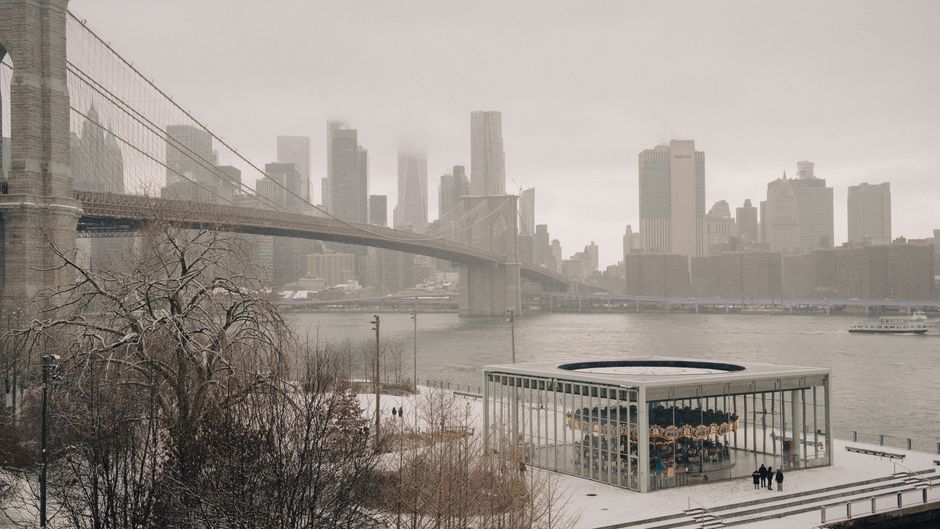
For a neighborhood-focused finale, cross to Brooklyn in the afternoon and continue toward DUMBO, Brooklyn Bridge Park, and Brooklyn Heights. The skyline view is strongest around dusk, but wind on the waterfront can be severe. If your group wants holiday lights, Dyker Heights can be memorable, yet it is residential, spread out, and slower to reach than central Manhattan. Use a guided walk only if the route and return transport are clear.
If rain, snow, or exhaustion takes over, switch day four to Grand Central Terminal, the New York Public Library, an indoor market, and one museum or matinee. That is not a lesser version of the trip. It is a sound response to winter conditions. Do not force an outdoor neighborhood tour simply because it appeared in the original plan.
Which Christmas Tickets and Transit Choices Are Worth Paying For?
Pay for one major performance and one view or activity, then keep the rest of the itinerary free. That balance gives the trip a sense of occasion without turning every hour into a timed transaction.
Which paid experiences deserve priority?
The Christmas Spectacular at Radio City Music Hall is the strongest choice for a first-time visitor who wants a polished holiday performance. A Broadway show is better for travelers who care more about theater than Christmas tradition. Top of the Rock is a strong sunset choice because the view includes the Empire State Building and Central Park, while the Rockefeller tree provides a close-up ground-level scene. Skating at Bryant Park is attractive for the setting and free rink admission, but skate rental and busy sessions still require planning. Pick two. Buying all four usually creates a rushed schedule and a high total cost.
How should you handle subway fares?
In 2026, the MTA base fare for the subway and local bus is scheduled to be $3.00, with an OMNY weekly fare cap of $35.00 after eligible taps. Use the same contactless card or device throughout the trip so the system can track the cap. A physical OMNY card is useful for travelers who do not want to use a bank card, but check the current purchase fee and acceptance details before leaving home.
Transit is usually faster than taxis between distant neighborhoods, but walking wins inside compact areas such as Rockefeller Center to Bryant Park or Stone Street to Battery Park. Keep a small buffer before timed events. A route that looks like 20 minutes on a map can take 35 minutes after station entrances, elevator waits, crowds, and street crossings.
What Can Ruin a Christmas Trip to New York City?
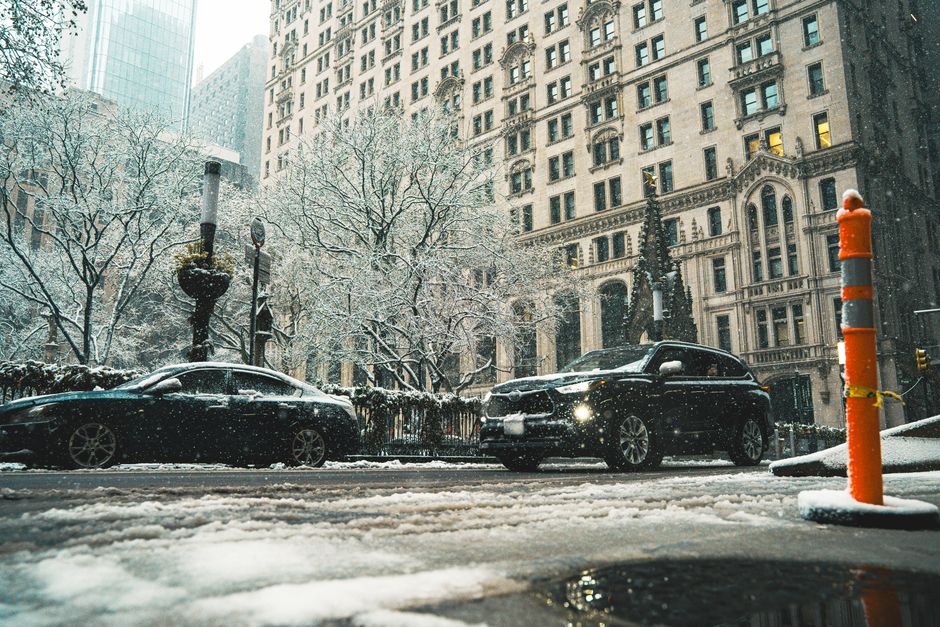
Most failed holiday itineraries do not fail because the city lacks attractions. They fail because the plan ignores distance, queues, weather, and the difference between a landmark photograph and a full experience.
Five mistakes to avoid
- Putting every famous sight on one day. Rockefeller Center, Central Park, the Statue of Liberty, and Brooklyn are not one neighborhood. Group destinations by area.
- Booking a tree-lighting trip without checking the date. The 2026 Rockefeller ceremony is scheduled for December 2. The tree arrives earlier, but arrival and lighting are different events.
- Assuming free admission means no wait. Bryant Park’s rink has free admission, but skate rental, lockers, and peak-time queues still affect the visit.
- Leaving dinner until after a show. Holiday dining rooms fill quickly, and a late reservation may be impossible near Midtown theaters. Reserve before buying the performance ticket.
- Ignoring the return journey. After a Brooklyn lights tour or late performance, check the subway route, service changes, and walking distance back to the hotel before departure.
The practical resolution
Keep one unassigned block each day. Use it for a missed attraction, a slow meal, or simple rest. Carry a weatherproof outer layer and treat the itinerary as a route map, not a test of endurance. A four-day trip works when the fixed moments are protected and the smaller moments remain movable.
That brings the plan back to the opening tree: the 76-foot spruce and its 50,000 lights are worth seeing, but they should anchor the trip rather than consume it. Build around the tree, then leave room for the city that surrounds it.