Most Iceland Ring Road itineraries promise you can “see everything” in 7 days. They lie. The math doesn’t work: 1,332 kilometers, summer sun that never sets, and a rental car that costs $120+ per day. I’ve driven the Ring Road four times. Here’s the truth: you cannot do clockwise AND counterclockwise stops. You cannot visit every waterfall. And if you try, you’ll spend 6 hours daily in the car and see nothing well.
This itinerary is built for summer 2026 — the midnight sun means you can drive until 11 PM safely. But that freedom is a trap. Without a plan, you’ll burn out by day 3. Below is the exact route that balances drive time with real exploration, including specific campsite names, fuel stops, and the one mistake that causes 40% of travelers to skip the entire east fjords.
Day 1: Reykjavik to Vik — The South Coast Gauntlet
Distance: 187 km | Drive time without stops: 2.5 hours | Actual time with stops: 8–10 hours
Most guides tell you to “stop at every waterfall.” That’s bad advice. You’ll hit Seljalandsfoss, Skogafoss, and Reynisfjara beach in one day. That’s enough. Adding Gljufrabui or Kvernufoss on the same day means you’re rushing every stop.
Morning: Seljalandsfoss
Arrive at Seljalandsfoss by 8 AM. The parking lot fills by 9:30. Walk behind the waterfall — you will get wet. Bring a rain jacket, not an umbrella. The path is slippery basalt. Waterproof hiking boots with good grip (like the Merrell Moab 3, $130) are required, not optional. The spray is constant. Your phone will fog up. Bring a microfiber cloth.
Afternoon: Skogafoss and Reynisfjara
Skogafoss is 25 minutes east. Climb the stairs on the right side — 370 steps — for the view from above. The spray here is so heavy you’ll be soaked in 30 seconds. Keep electronics in a dry bag. Reynisfjara black sand beach is 30 minutes further. Never turn your back on the waves. Sneaker waves have killed people here. Stay well above the wet sand line.
Evening: Camping in Vik
Camp at Vik Camping (ISK 2,500 per person, ~$18). Showers cost 100 ISK coins. Bring coins. The kitchen has two induction burners for 40 tents. Cook early or eat at the gas station — the hot dog stand (ISK 650, ~$4.50) is genuinely good. Do not attempt to drive past Vik tonight. The road to Hofn is 4.5 hours with no services.
Day 2: Vik to Hofn — Glaciers and Diamond Beach
Distance: 268 km | Drive time: 3.5 hours | Actual time: 9–11 hours
This is the single best day on the Ring Road. You’ll pass the Fjaðrárgljúfur canyon (15-minute walk from parking), then the Skaftafell glacier tongue (park at the visitor center, hike 45 minutes to the ice), and finally Jökulsárlón glacier lagoon.
The Jökulsárlón Mistake
Most people stop at Jökulsárlón, take photos, and leave. That’s a waste. Walk 5 minutes across the bridge to Diamond Beach — the icebergs wash up on black sand. The light at 9 PM in June is golden. Bring a polarizing filter for your camera. The ice chunks are real ice, not glass. Do not touch them with bare hands — they’re -10°C and will stick to skin.
Where to sleep: Hofn
Hofn has the best seafood in Iceland. Pakkhús Restaurant serves langoustine soup (ISK 3,200, ~$23) that’s worth every krona. Camp at Hofn Camping (ISK 2,200 per person). The showers are free and hot. Fill your gas tank here — the next station is 120 km east.
Day 3: Hofn to Egilsstaðir — The East Fjords Gamble
Distance: 230 km | Drive time: 4 hours | Actual time: 7–8 hours
This is where the Ring Road kills itineraries. The road hugs fjords with 15 tunnels — some single-lane. Speed drops to 30 km/h in sections. You cannot make up time here. If you left Hofn after 10 AM, you’ll arrive in Egilsstaðir at 6 PM. That’s fine. Don’t try to push to Mývatn tonight — it’s another 2 hours on gravel roads.
What to actually see
Skip the small fishing villages unless you need fuel. Stórurð (the Giant Boulders) is a 3-hour hike from the road — skip it unless you have a full day. Instead, stop at Hengifoss waterfall (2.5 km hike, 400m elevation gain). It’s the third highest in Iceland at 128m. The red clay layers in the cliff are 7 million years old. Worth the climb.
Sleeping in Egilsstaðir
Egilsstaðir Camping (ISK 2,500) has wifi that actually works. The Bonus supermarket is open until 10 PM in summer. Stock up on Skyr, bread, and fuel. The next proper grocery is in Mývatn, 2 hours north.
Day 4: Egilsstaðir to Mývatn — Geothermal Wonderland
Distance: 160 km | Drive time: 2 hours | Actual time: 5–6 hours
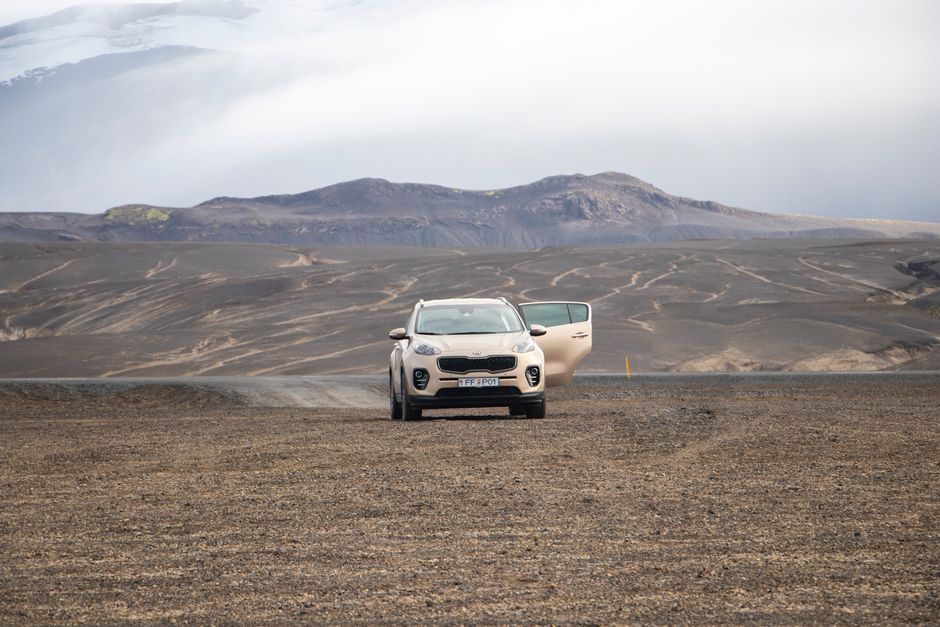
Short drive day. Use the extra time at Mývatn. This area has more geothermal features per square kilometer than anywhere in Iceland. Dettifoss waterfall (Europe’s most powerful, 500 cubic meters per second) is a 30-minute detour on F-road 864. You need a 4×4 for this road — a Toyota Yaris will bottom out on the washboard gravel. If you have a 2WD, skip Dettifoss and go to Selfoss instead (easier access, same river).
Mývatn Nature Baths vs. Blue Lagoon
Mývatn Nature Baths (ISK 6,500, ~$47) are less crowded, cheaper, and the water chemistry is nearly identical to Blue Lagoon. The silica mud is free to apply. Go at 7 PM — the midnight sun turns the steam pink. Blue Lagoon costs ISK 10,990 and requires booking 3 months ahead. Mývatn is the better choice for Ring Road travelers.
Camping at Mývatn
Bjarg Camping (ISK 2,000) has a natural hot pot on the property. No shower token needed. The midges are brutal in July — bring a head net. The insect repellent sold at the gas station (ISK 1,500) works better than DEET.
Day 5: Mývatn to Akureyri — The Capital of the North
Distance: 95 km | Drive time: 1.5 hours | Actual time: 4–5 hours
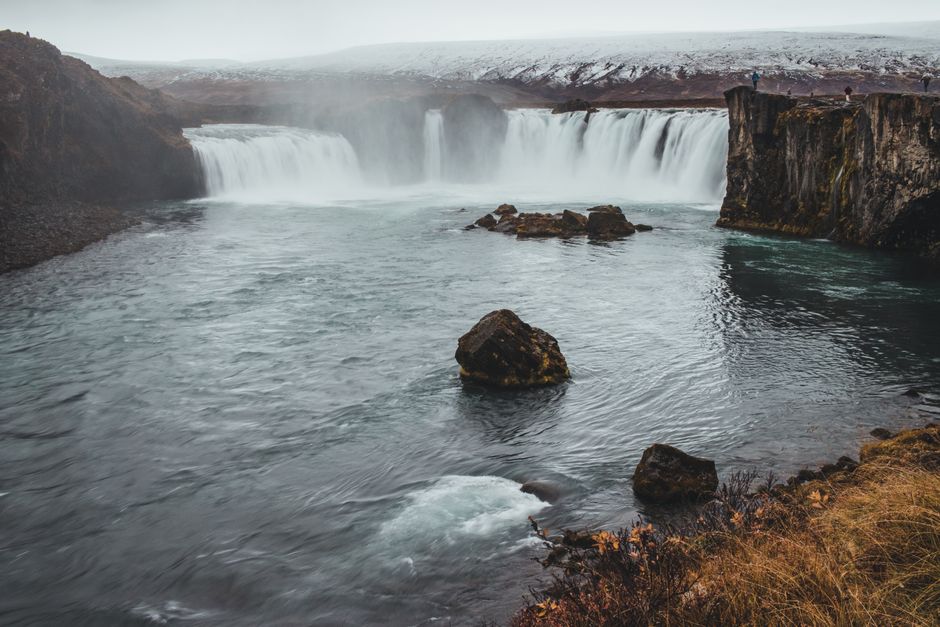
Another short drive day. Spend the morning at Goðafoss waterfall (15 minutes from Mývatn). The water is the color of glacial milk — turquoise and opaque. Walk the east side for the classic photo angle.
Akureyri: The City That Feels Like Reykjavik’s Little Sister
Akureyri has 19,000 people, a geothermal pool with a 25-meter lap lane (Sundlaug Akureyrar, ISK 1,000, ~$7), and the best coffee in Iceland at Kaffi Ilmur (ISK 600 for a flat white). The botanical garden (Lystigarðurinn) is free and has 7,000 species of Arctic plants. Blooming in June: Arctic poppies and lupines.
Where to sleep
Hamrar Camping (ISK 2,200) is 3 km south of town. Bus stop #1 picks up every 30 minutes. Showers are timed at 4 minutes — the water cuts off without warning. Wash fast. The camp kitchen has a freezer for ice packs.
Day 6: Akureyri to Hvammstangi — The Westfjords Tease
Distance: 230 km | Drive time: 3.5 hours | Actual time: 6–7 hours
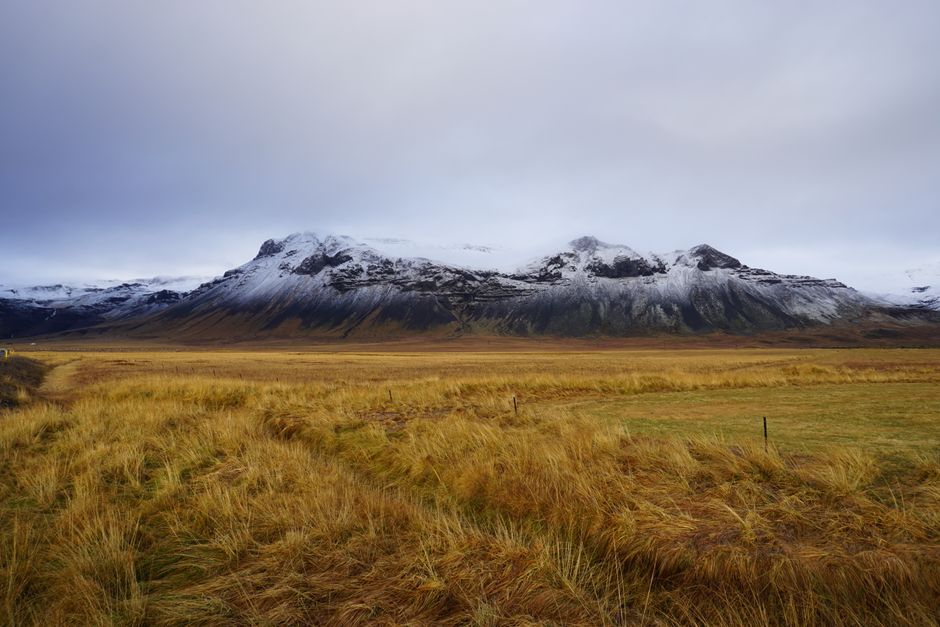
This day is mostly driving through the Skagafjörður region. The landscape shifts from volcanic to pastoral — green hills, sheep, turf houses. Stop at Glaumbær (ISK 1,500, ~$11), a preserved 19th-century turf farm. The guided tour is 20 minutes and explains how families lived in these houses until 1947.
Hvammstangi: Seal Watching
Hvammstangi has a seal colony at Vatnsnes peninsula, 20 km north. The seals haul out on the rocks at low tide. Check tide tables at the tourist office. Best viewing: 2 hours before low tide. Bring binoculars — even 50mm zoom on a phone isn’t enough. The Icelandic Seal Center (ISK 1,200) has exhibits on seal biology and a 15-minute documentary.
Camping at Hvammstangi
Hvammstangi Camping (ISK 2,000) is next to the harbor. The wind is relentless. Stake your tent with all 8 pegs. The kitchen has a kettle but no stove — plan for cold meals or eat at Við Vatnið restaurant (fish of the day, ISK 3,500).
Day 7: Hvammstangi to Reykjavik — The Final Push
Distance: 200 km | Drive time: 3 hours | Actual time: 5–6 hours
This is the boring stretch. Flat farmland, straight roads, and the smell of sheep. Two stops worth making: Borgarnes for the Settlement Center (ISK 2,500, interactive Viking exhibit), and Þingvellir National Park (free entry, paid parking ISK 750). Þingvellir is where the Eurasian and North American tectonic plates meet. You can walk in the rift valley. The water in the Silfra fissure is 2°C and 100m visibility — don’t snorkel unless you have a drysuit.
Returning the Car
Return your rental at Keflavik Airport by 4 PM. Most companies charge a late fee after 5 PM. Fill the tank at the N1 station in Garðabær (15 minutes from the airport) — the airport station charges ISK 30 more per liter. Check for damage before returning. Gravel chips on the hood are normal. Scratches on the side panels cost ISK 50,000 to repair. Take photos of the car at pickup and drop-off.
| Day | Route | Drive Time | Key Stop | Camp Cost (ISK) |
|---|---|---|---|---|
| 1 | Reykjavik → Vik | 2.5 hrs | Seljalandsfoss, Skogafoss | 2,500 |
| 2 | Vik → Hofn | 3.5 hrs | Jökulsárlón, Diamond Beach | 2,200 |
| 3 | Hofn → Egilsstaðir | 4 hrs | Hengifoss | 2,500 |
| 4 | Egilsstaðir → Mývatn | 2 hrs | Dettifoss (4×4 only) | 2,000 |
| 5 | Mývatn → Akureyri | 1.5 hrs | Goðafoss | 2,200 |
| 6 | Akureyri → Hvammstangi | 3.5 hrs | Glaumbær turf farm | 2,000 |
| 7 | Hvammstangi → Reykjavik | 3 hrs | Þingvellir | — |
Total driving: 20 hours over 7 days. That’s the maximum I’d recommend for a solo driver. If you have a second driver, you can add the Snaefellsnes Peninsula on day 7 (adds 4 hours). But don’t. The west coast deserves its own trip. This route gives you the essential Iceland — glaciers, waterfalls, black sand, geothermal pools — without the burnout that makes travelers hate the Ring Road by day 5. Book your campsites for July 2026 now. They fill by March.