You land at Ngurah Rai. Your phone buzzes with a driver offer: “Special price, 800,000 IDR for Ubud.” That’s $50 for a 90-minute ride. The local Blue Bird taxi meter would charge about 250,000 IDR ($16). You just lost $34 before seeing a single rice paddy. This is how Bali eats your budget — not through the big stuff, but through a thousand small overcharges.
I’ve made every mistake on this island over three trips. Paid $25 for a sarong at Tanah Lot (market price: $3). Ate at a beach club in Seminyak where two smoothie bowls cost $40. Waited 45 minutes in a queue at a “hidden” waterfall that had 200 people in the water. This itinerary is my course correction — seven days that hit real beauty without the tourist tax.
Day 1–2: Ubud — The Real Jungle vs. The Instagram Trap
Ubud is Bali’s spiritual heart. It’s also ground zero for overpriced yoga classes ($25/hour) and cafes charging $8 for a smoothie that costs $2 anywhere else. The key is knowing which rice terraces and temples are worth your time — and which are photo studios with admission fees.
Skip: Tegallalang Rice Terraces (peak hours)
Tegallalang is stunning. It’s also swarmed by tour buses from 10 AM to 3 PM. You’ll pay 50,000 IDR ($3) entry, then get pressured to tip every local who poses with a straw hat. The swing photo op costs 200,000 IDR ($13) extra. The terraces themselves are beautiful, but you’re sharing them with 300 other tourists.
Go instead: Jatiluwih Rice Terraces (UNESCO site, 40 minutes north). Entry is 40,000 IDR ($2.50). Crowds are 10% of Tegallalang. The terraces stretch for 600 hectares — you can walk for two hours and see maybe 15 people. Bring water. There’s one warung (local food stall) at the entrance selling nasi campur for 25,000 IDR ($1.60).
Skip: Monkey Forest Ubud (unless you hate your phone)
80,000 IDR ($5) entry. The monkeys will climb on you, steal sunglasses, and grab phones. I watched a macaque snatch an iPhone 15 and crack the screen before the owner could react. The forest itself is small — you’ll walk it in 20 minutes. If you want temple + monkey experience, go to Pura Luhur Batukaru (free entry, wild monkeys, zero crowds).
Do this instead: Campuhan Ridge Walk at dawn
Free. Open 24 hours. A 2-kilometer paved path along a ridge with jungle on both sides. Go at 6:30 AM — you’ll see maybe five other people. The light hits the valley at 7 AM. Bring a coffee from a local warung (5,000 IDR / $0.30). This is the Ubud that postcards don’t show.
Hidden gem: Tirta Empul Temple (proper experience)
50,000 IDR ($3) entry. This is the real water purification temple — not a tourist show. You’ll see Balinese Hindus performing melukat (ritual cleansing) under the fountains. Join if you want (sarong rental included). Go before 8 AM to avoid tour groups. The water is cold. Bring a change of clothes. This is one of the most authentic experiences on the island.
Day 3–4: North Bali — Where the Locals Go (and You Should Too)
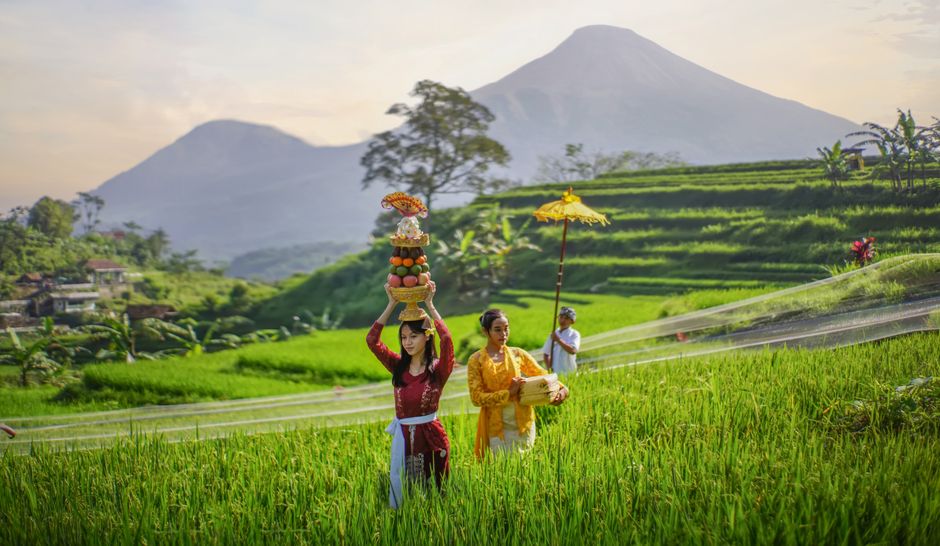
Most tourists stay in the south: Kuta, Seminyak, Canggu. They never see north Bali. That’s a mistake. The north has the island’s best waterfalls, the quietest beaches, and prices that are 40-50% lower than the south.
Drive time from Ubud: 2 hours (via the mountain road). Rent a scooter for 70,000 IDR/day ($4.50) or hire a driver for 500,000 IDR ($32) for the day. The road passes through Bedugul — stop at the Pura Ulun Danu Beratan temple on the lake (50,000 IDR entry, worth it for the photo alone).
Sekumpul Waterfall — the real hidden gem
Entry: 20,000 IDR ($1.30). Parking: 5,000 IDR ($0.30). This is a 5-tier waterfall in a valley. The walk down is 500 steep steps — takes 20 minutes. The walk back is a leg workout. There are maybe 20 people here on a busy day. Compare that to Gitgit Waterfall (south, 50,000 IDR, 150+ people). Sekumpul is the best waterfall in Bali. Bring water shoes. The rocks are slippery.
Lovina Beach — skip the dolphins, stay for the sunset
The dolphin-watching boats (100,000 IDR / $6.50) are a gamble. You might see dolphins. You might see 40 boats chasing three dolphins. Stay on the beach instead. Black sand, calm water, sunset at 6:15 PM. Eat at Warung Ayu on the main road — nasi goreng for 20,000 IDR ($1.30). Rooms in Lovina cost 200,000-400,000 IDR ($13-26) per night. A comparable room in Seminyak costs 800,000 IDR ($52).
Banjar Hot Springs — 15,000 IDR for a volcanic soak
Three pools fed by hot springs at 37°C. Entry is 15,000 IDR ($1). Changing rooms included. Locals come here on weekends. Tourists rarely do. The water is sulfur-heavy — you’ll smell it. It’s clean. Bring a towel. This is a genuine Balinese spa experience for the price of a bottle of water in Canggu.
Day 5: East Bali — Temples Without the Ticket Touts
East Bali is temple country. It’s also where you’ll find the island’s most spectacular sunrise viewpoint. The trick is avoiding the spots where you pay $15 to stand on a platform with 100 other people.
| Attraction | Entry Fee (IDR) | Entry Fee (USD) | Crowd Level | Worth It? |
|---|---|---|---|---|
| Pura Lempuyang (Gates of Heaven) | 50,000 | $3 | Extreme (2-hour queue for photo) | No — 90% of photos are mirror trick |
| Pura Besakih (Mother Temple) | 60,000 | $4 | Moderate (guided tours push donations) | Yes — largest temple complex in Bali |
| Pura Goa Lawah (Bat Cave Temple) | 40,000 | $2.50 | Low | Yes — genuine, no queues, thousands of bats |
| Taman Ujung Water Palace | 50,000 | $3 | Low | Yes — stunning architecture, few tourists |
Skip Lempuyang. The famous “Gates of Heaven” photo uses a mirror held under the camera lens to create the reflection. You queue 1-2 hours for a photo that isn’t real. The temple itself is beautiful, but you can see similar architecture at Pura Besakih without the wait.
Go to Taman Ujung Water Palace instead. Built in 1921 by the Karangasem king. Entry: 50,000 IDR ($3). You can walk through the palace, the water gardens, and the bale (pavilions) without anyone asking for tips. The backdrop is Mount Agung. On a clear day, it’s the best photo location in east Bali. Zero queue.
Day 6–7: South Bali — How to Enjoy the Coast Without the Beach Club Tax
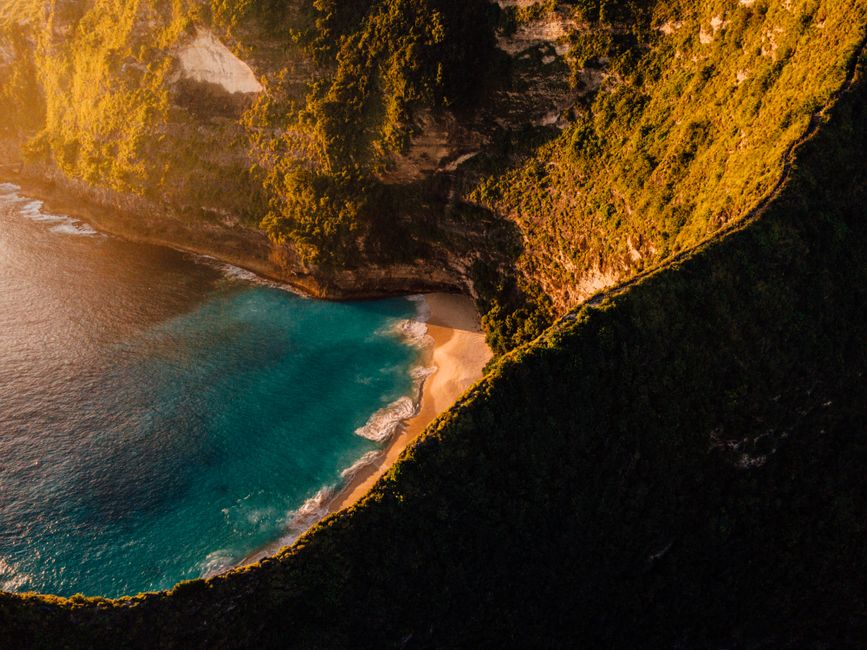
South Bali has the best beaches. It also has the highest prices. A sunbed at a Seminyak beach club costs 200,000 IDR ($13) — plus a minimum spend of 300,000 IDR ($19) on food and drinks. That’s $32 to sit on sand. You can do better.
Uluwatu — cliffs, surf, and a real kecak dance
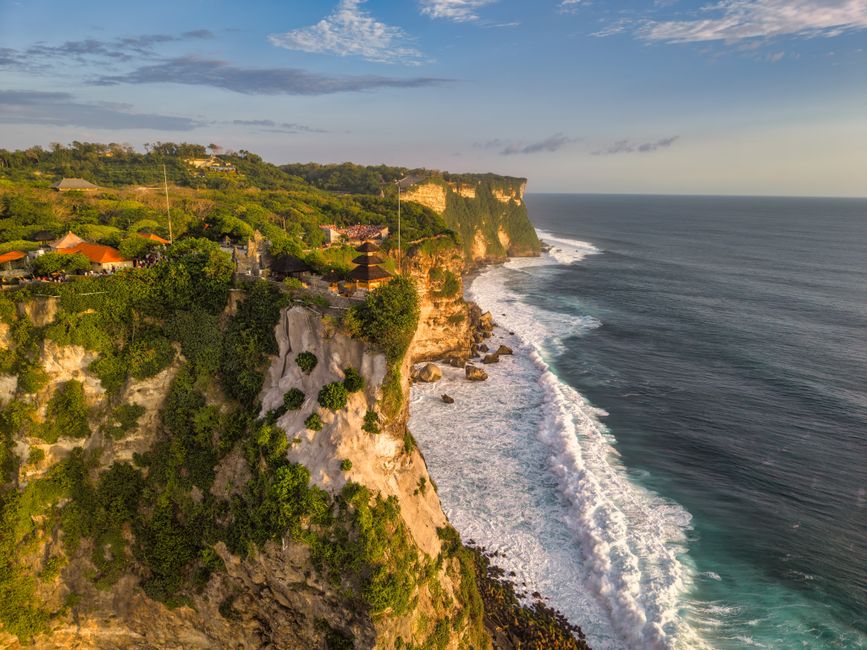
Entry to Uluwatu Temple: 50,000 IDR ($3). The sunset kecak dance performance costs 150,000 IDR ($10) and runs from 6-7 PM. This is the real show — 50 men chanting, no instruments, set against the sunset over the Indian Ocean. Book tickets at the gate (don’t buy from touts in the parking lot). The touts charge 200,000 IDR ($13) for the same ticket.
Beach tip: Padang Padang Beach (entry: 15,000 IDR / $1) is a small cove with white sand. Go at 4 PM — the surf crowd leaves, the light is golden. Avoid the warung on the stairs (overpriced). Bring your own snacks.
Canggu — the overrated alternative
Canggu is Bali’s digital nomad hub. It’s also a construction site. Traffic on the main road can take 30 minutes to move 2 kilometers. A basic brunch at a Canggu cafe costs 120,000 IDR ($8). The beaches (Batu Bolong, Berawa) are fine but crowded. If you want a quiet beach day, go to Balangan Beach (south of Canggu, 30-minute drive). Entry: free. Sunbed rental: 50,000 IDR ($3). Warung food: 30,000 IDR ($2) for a plate of mie goreng. Same sand, 70% less cost.
Jimbaran Bay seafood — the trap and how to avoid it
Jimbaran is famous for seafood dinners on the sand. The restaurants on the main strip charge 350,000-500,000 IDR ($22-32) for a grilled fish platter. The fish is good. The price is tourist markup. Walk 200 meters north to the fish market. Buy fresh fish (tuna, snapper, squid) for 50,000-80,000 IDR ($3-5). Take it to a warung next door — they’ll grill it with sambal for 20,000 IDR ($1.30) cooking fee. Total cost: $4-6 for the same meal that costs $25 on the strip. Bring cash. The market closes at 6 PM.
Budget Breakdown: What Seven Days in Bali Actually Costs (2026)
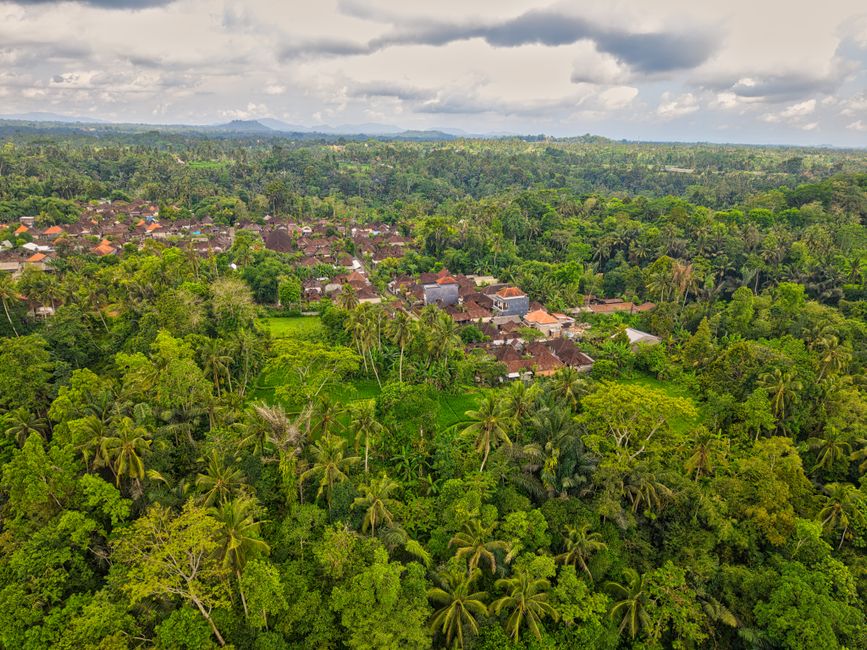
Here’s a realistic daily budget for this itinerary, based on actual 2026 prices. These are the rates I paid or confirmed with local contacts in early 2026.
- Accommodation: Guesthouse private room: 250,000-400,000 IDR ($16-26) per night. Mid-range hotel: 500,000-800,000 IDR ($32-52).
- Food: Local warung meal: 25,000-40,000 IDR ($1.60-2.60). Cafe brunch: 80,000-120,000 IDR ($5-8).
- Transport: Scooter rental: 70,000 IDR/day ($4.50). Gas: 10,000 IDR/liter ($0.65). Private driver (full day): 500,000-600,000 IDR ($32-38).
- Entry fees: Temples and waterfalls: 15,000-50,000 IDR ($1-3) each.
- Total daily cost (budget traveler): 500,000-800,000 IDR ($32-52).
- Total daily cost (mid-range traveler): 1,000,000-1,500,000 IDR ($65-97).
The biggest budget killer is transport. A private driver for 7 days costs 3,500,000 IDR ($225). A scooter for 7 days costs 490,000 IDR ($32). If you can ride a scooter, do it. Traffic is chaotic but manageable. Wear a helmet. The police fine foreigners 250,000 IDR ($16) for no helmet — they check at roundabouts.
Bali in 2026 is still affordable if you know where to eat, which temples to visit, and which roads to take. The island rewards the traveler who does 20 minutes of research. The ones who don’t pay $50 for a taxi ride they could have taken for $16. That’s the difference between a vacation that feels like a hustle and one that actually feels like paradise.