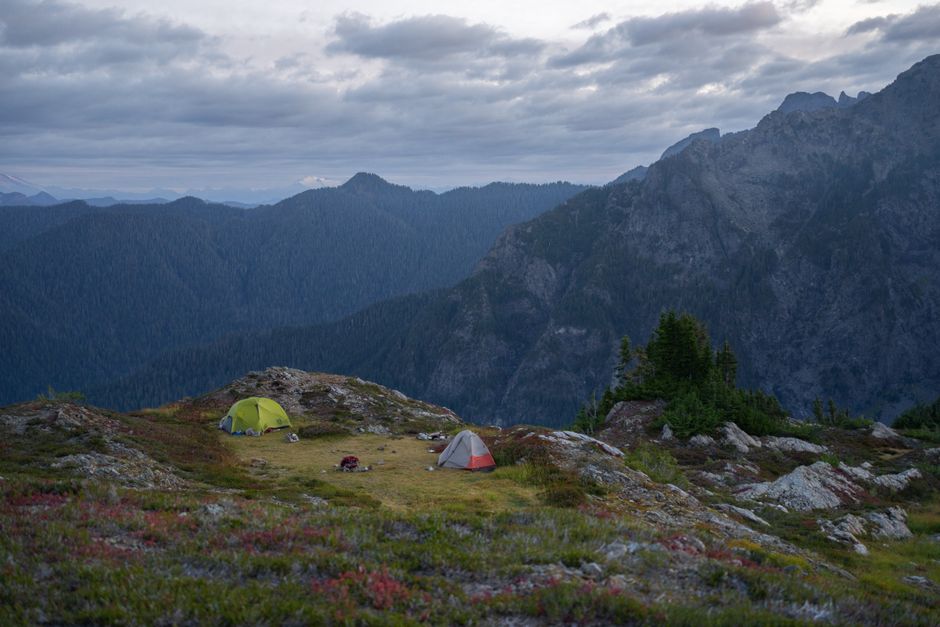
You’ve seen the Instagram photos. Turquoise lakes, snow-capped peaks, a single tent pitched on a ridge at sunset. What you haven’t seen is Day 14 in the desert — 95°F, 20 miles of exposed trail, and your feet bleeding through two pairs of socks.
The Pacific Crest Trail runs 2,650 miles from Mexico to Canada. In 2026, roughly 3,000 people started. Fewer than 1,200 finished. The difference between those groups isn’t fitness or luck. It’s planning.
Here’s what you actually need to know before you start in 2026.
Why 90% of Beginners Get the Gear Wrong
Walk into REI and ask for a PCT setup. You’ll walk out with a 65-liter pack, a three-person tent, and a stove system that weighs four pounds. That’s a recipe for quitting by California.
The PCT is a weight game. Every pound on your back multiplies over 2,650 miles. A 35-pound pack on Day 1 feels like 60 pounds by Oregon. Here’s what experienced thru-hikers actually carry.
The Big Three: Pack, Shelter, Sleep
Your pack should weigh under 2.5 pounds empty. The Zpacks Arc Haul Ultra ($379, 21 oz) is the gold standard for 2026. If your budget is tighter, the Osprey Exos Pro 55 ($280, 34 oz) works — just don’t fill it.
Shelter: a trekking-pole tent like the Zpacks Duplex ($699, 20.5 oz) or the Durston X-Mid Pro 2 ($340, 21 oz). No freestanding tents. No tent poles. Your trekking poles are the poles.
Sleep system: a Therm-a-Rest NeoAir XLite NXT ($200, 15 oz) and a 20°F quilt from Enlightened Equipment ($385, 22 oz). Skip the sleeping bag. Quilts save half a pound.
Total Big Three weight target: under 6 pounds. Most beginners start at 12. That’s the difference between hiking 20 miles comfortably and quitting at mile 8.
The Permit System Nobody Explains Clearly
Here’s the blunt truth: you cannot just show up and hike the PCT. The permit system is a bureaucratic maze, and 2026 is going to be tighter than ever.
The PCTA (Pacific Crest Trail Association) issues about 50 long-distance permits per day for northbound hikers starting at the Mexican border. These permits go live on a lottery system in November 2026 for 2026 starts. If you miss the window, you’re stuck with a patchwork of local permits — which is a nightmare.
For a 2026 northbound start, you need:
| Permit Type | When to Apply | Cost | Key Constraint |
|---|---|---|---|
| PCTA Long-Distance Permit | November 2026 (lottery) | $10 + $5 per zone | Covers 95% of the trail. One start date. |
| Canada Entry Permit | January 2026 | $30 CAD | Must enter at Manning Park. |
| California Fire Permits | March 2026 | Free | Required for stove use in fire season. |
| Sierra Nevada Walk-Up | May 2026 | $15 | Only if you miss PCTA permit. |
Set a calendar reminder for October 1, 2026. The PCTA lottery opens November 1. You have a 14-day window to apply. Miss it, and you’re either flipping your hike (southbound) or dealing with 20 separate national forest permits.
What You’ll Actually Eat (And How to Not Starve)
Your body burns 4,000–5,000 calories per day on the PCT. A standard backpacking meal has 400–600 calories. Do the math: you need to eat 8–10 meals per day. That’s not a typo.
Here’s the mistake beginners make: they pack freeze-dried Mountain House meals for every dinner. Those cost $12 each and taste like salted cardboard by Day 10. Experienced hikers do something different.
Breakfast: Instant oatmeal with peanut butter powder and dried fruit. 500 calories. $1.50 per serving. Lunch: Tortillas with shelf-stable cheese packets and summer sausage. 600 calories. $2.00. Dinner: Knorr rice sides with added olive oil and a tuna packet. 700 calories. $3.50. Constant snacking: Trail mix, protein bars (Clif Builders are the standard), candy bars, and electrolyte chews.
Resupply boxes are the traditional method — but in 2026, more hikers are switching to town resupply. Every 4–6 days you hit a small town with a grocery store. Send yourself one box at Kennedy Meadows (mile 702) with your Sierra gear. Buy everything else on the trail. It’s simpler and you won’t waste food.
The Three Things That Actually Kill Hikes
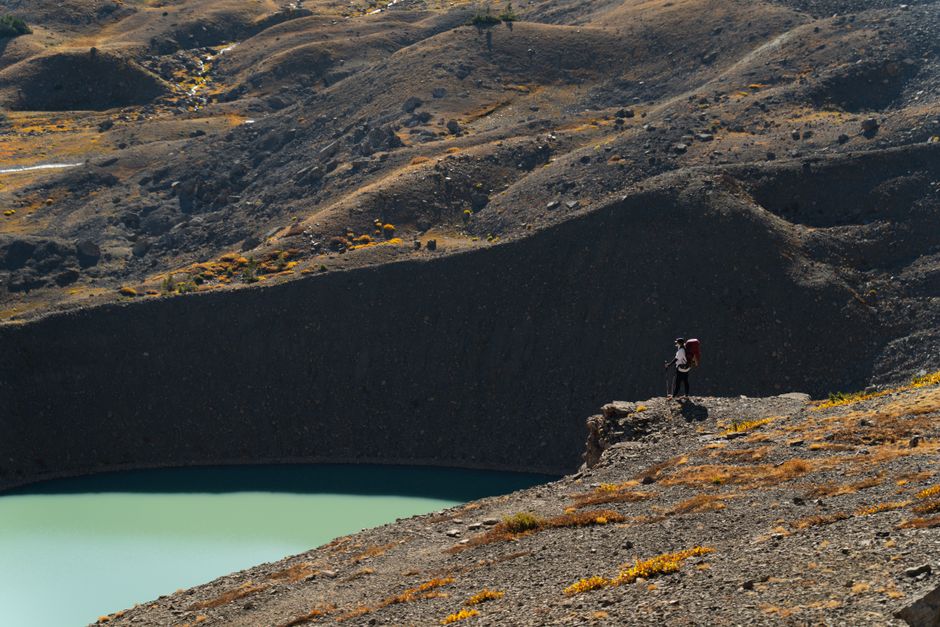
Most people don’t quit because of blisters. They quit because of three specific failures that are entirely preventable.
Failure 1: The Wrong Start Date
Northbound hikers start between March and May. Start too early (March) and you hit the Sierra Nevada in May with waist-deep snow and dangerous river crossings. Start too late (May) and you hit Washington in October with freezing temperatures and snow. The sweet spot for 2026: April 10–25. You’ll hit the Sierra in June when snow bridges are stable, and finish Washington in September before the first storms.
Failure 2: Ignoring Your Feet
Your feet will swell half a size by week two. Buy trail runners (not boots) — the Hoka Speedgoat 6 ($155) or Altra Lone Peak 8 ($150) are the standard. Size up one full size. Change socks at every break. Carry Leukotape for hot spots. If a blister forms, drain it with a sterilized needle and cover with Spenco Second Skin. Do this immediately or you’ll be off-trail for a week.
Failure 3: Navigation Complacency
The PCT is well-marked. Until it isn’t. Snow covers the trail in the Sierra. Fires reroute sections every year. The Guthook FarOut app ($50) is non-negotiable. Download all maps before leaving. Carry a paper map of the Sierra section as backup. A portable charger like the Nitecore NB10000 ($60, 5.3 oz) will keep your phone alive for 5–6 days between towns.
When to Skip the Pacific Crest Trail Altogether
This is the section most guides won’t write. The PCT is not for everyone. Here’s when you should hike something else instead.
If you have less than 4 months: The average thru-hike takes 5 months. If you can’t take that time off, don’t start. You’ll rush, you’ll get injured, and you’ll hate it. Instead, hike the John Muir Trail (211 miles, 3 weeks) or the Colorado Trail (486 miles, 5 weeks). Both give you the same mountain experience in a fraction of the time.
If you hate walking 20 miles every single day: The PCT is not a vacation. It’s a job. You hike from sunrise to sunset. No rest days for the first month. If you want a hiking vacation, book a hut-to-hut trip in the Alps or a guided trek in Patagonia. You’ll see more, carry less, and sleep in beds.
If you have knee problems: The PCT has 300,000 feet of elevation gain and loss. That’s equivalent to climbing Mount Everest from sea level 10 times. Your knees will take a beating. Try the Florida Trail (1,300 miles, flat) or the Buckeye Trail in Ohio (1,400 miles, moderate terrain).
The 2026 Reality Check
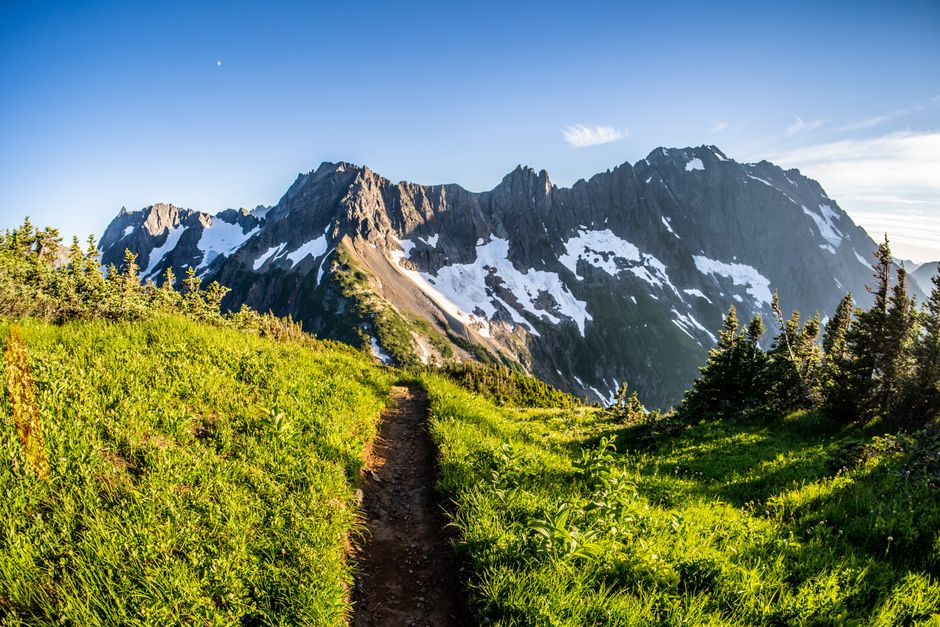
Fire season is getting worse. In 2026 and 2026, sections of the PCT in Northern California and Oregon closed for weeks at a time. Expect the same in 2026. The PCTA will post reroutes. You’ll need to be flexible, skip sections, or flip-flop (jump ahead and come back).
Water is the other wildcard. The Sierra snowpack determines whether you carry 2 liters or 6 liters through the desert. Check the PCTA water report weekly starting in March 2026. It’s updated by hikers on the trail and is more accurate than any forecast.
One more thing: the trail community is real. You’ll meet people at camp, share food when someone runs out, and carry extra water for a dehydrated stranger. That’s the part the Instagram photos don’t show. It’s also the part that gets you through the bad days.
Start planning now. The 2026 permits open in 10 months. Your gear list should be finalized by February. And your first resupply box should be packed by March. The trail will still be there. Make sure you’re ready for it.