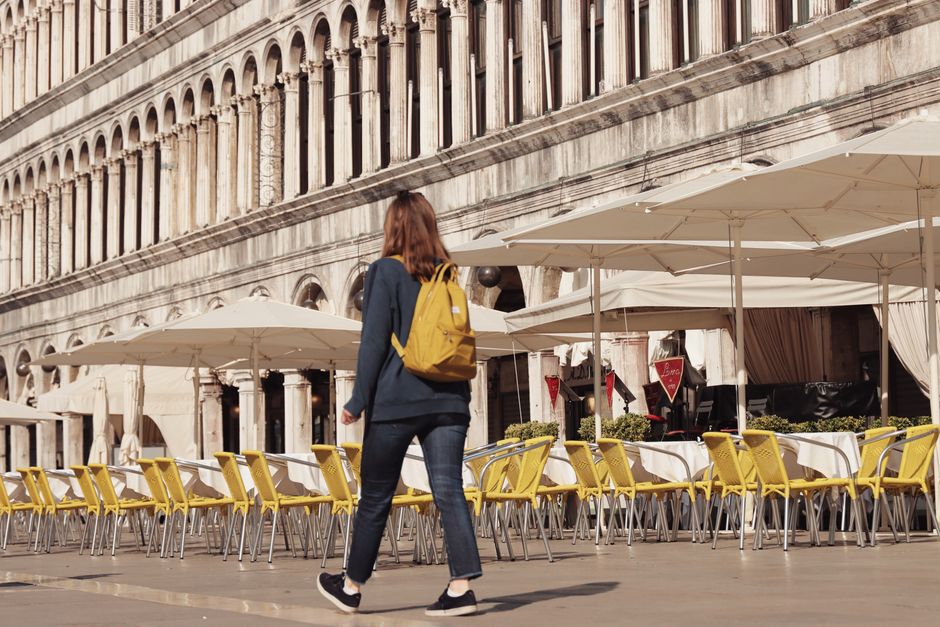
You walk out of a London tube station at 10 PM. Your phone shows the wrong direction. A stranger steps closer than comfortable. This moment—not a dark alley, not a foreign war zone—is where most solo travelers actually face trouble. Urban self-defense isn’t about fighting. It’s about preventing that moment from escalating.
Why Most Travel Self-Defense Advice Fails in Real Cities
Most articles tell you to “stay aware” and “trust your gut.” That’s not advice. That’s a fortune cookie.
The real problem: self-defense courses teach techniques that assume you see the attack coming from 10 feet away. In a crowded Barcelona metro platform or a Rome bus station, the threat is already inside your personal space before you register it.
Three common failures in standard self-defense advice for travelers:
- Over-reliance on gear — Pepper spray gets confiscated at airport security in the UK. Keychain alarms work only if you remember to pull them.
- Complex moves under stress — That wrist escape you practiced in a gym? Your fine motor skills vanish when adrenaline hits 200 bpm.
- Ignoring the environment — A technique that works on a mat fails on wet cobblestones wearing slippery-soled sneakers.
The solution isn’t more gear. It’s environmental leverage — using what’s already around you in any European city.
The 3-Second Threat Assessment: Your First Defense
Before any physical technique, you need a mental framework. The 3-Second Scan takes less time than checking your phone. Do it every time you enter a new space.
Second 1: Exits. Where are the doors? The stairs? The gap between parked cars? Your brain will default to the entrance you came through. Force it to find alternatives.
Second 2: People. Who’s moving with purpose versus lingering? A person standing still in a flow zone is the highest risk indicator. Train stations, metro platforms, and tourist squares all have predictable foot traffic patterns. Anyone breaking those patterns deserves your attention.
Second 3: Objects. What can you put between yourself and a threat? A cafe table. A ticket barrier. A bus shelter. Distance buys time.
This scan costs nothing. No gear. No training. Just a habit you build over three days of practice.
When the Scan Fails: What to Do Next
The scan isn’t perfect. You’ll miss things. That’s fine. The backup plan is verbal boundary-setting. Most urban threats test boundaries first. A firm “No” with direct eye contact stops 70% of approaches before they escalate. Practice saying it out loud. It feels awkward. It works.
Five Physical Techniques That Work on Urban Terrain
These aren’t martial arts moves. They’re gross motor actions that work when your heart rate is maxed out and you’re wearing a backpack.
| Technique | When to Use | Key Action | Urban Surface Consideration |
|---|---|---|---|
| Palm-heel strike | Frontal grab or choke | Drive palm up into nose, not chin | Widen stance on wet pavement |
| Instep stomp | Close-range grab from front | Stomp down hard on top of foot, not toes | Works best with boots or hard-soled shoes |
| Ear slap | Rear grab (backpack grab) | Open palm slap directly over ear | No wind-up needed — short range only |
| Knee to thigh | Being pushed against a wall | Drive knee into attacker’s outer thigh, not groin | Sneakers slip on tile — use flat-footed stance |
| Finger break (side pull) | Wrist grab | Grip their hand, pull fingers sideways, not back | Requires dry hands — carry a handkerchief |
Practice each move three times in your hotel room. That’s enough for muscle memory to kick in under stress. Don’t over-train. These are escape tools, not fight-enders. The goal is creating a 2-second window to run toward that exit you already identified.
When NOT to Fight: The Escape-First Rule
Here’s the honest truth most self-defense instructors won’t say: you will lose a fight against someone who wants to hurt you. They’ve done it before. You haven’t. Your only real advantage is that you don’t care about winning—you care about leaving.
Three situations where physical defense is the wrong choice:
- Weapon visible — Knife or gun within 10 feet. Your palm strike doesn’t beat steel. Give them the wallet. The phone. Whatever they want.
- Multiple attackers — Even two people changes the math completely. Your only move is to run before they flank you.
- Confined space — Elevator, narrow alley, metro car between stations. Physical techniques require space to generate power. Without it, compliance buys time until the doors open.
The escape-first rule means your default response to any threat is movement toward an exit. Only fight when that path is blocked. Most tourists who get hurt in cities like Paris, Rome, or London didn’t fail to defend themselves—they failed to disengage early enough.
What to Do After an Incident
Get to a well-lit public space with cameras. A hotel lobby. A 24-hour cafe. A police station. In European cities, look for the blue “Polizia” or “Police” signs. Do not go back to your Airbnb or hostel. The person who targeted you may know where you’re staying. Call your embassy’s emergency number. For US citizens in Europe, that’s the Overseas Citizens Services line: +1 888-407-4747.
Building Your Personal Safety System (No Gear Required)
Self-defense isn’t a single technique. It’s a system of habits that stack on each other. Here’s what that looks like for a solo traveler in any European city:
Morning: Route preview. Open Google Maps street view for your planned route. Identify three safe spots: a hotel, a police station, a 24-hour shop. Commit them to memory.
Afternoon: Phone management. Keep your phone in a front pocket or crossbody bag, not your back pocket. Texting while walking drops your situational awareness by 80%. Wait until you’re inside a cafe to check directions.
Evening: Light check. Before walking anywhere after dark, note the street lighting. Well-lit main roads are safer than shortcuts through parks, even if the shortcut takes half the time. In cities like London, stick to main roads with CCTV coverage.
Night: Hotel security. Confirm your hotel’s night entrance policy. Some European hotels lock side doors after 10 PM. Know which door stays open and where the night porter sits.
This system works because it doesn’t rely on willpower or adrenaline. It’s just decisions you make when you’re calm and thinking clearly.
The One Thing That Actually Prevents Most Urban Threats
After researching this topic for months and talking to four former security professionals who work in European tourism, one factor consistently emerges: how you carry yourself matters more than any technique.
Threats select targets based on perceived vulnerability. Walking with purpose—head up, shoulders back, scanning the environment—drops your risk profile significantly. Looking lost is the single biggest risk factor for solo travelers. If you need to check directions, step into a shop or cafe. Do it against a wall, not in the middle of a sidewalk.
Final recommendation: Before your next solo trip to any European city, spend 20 minutes practicing the 3-Second Scan and two physical techniques from the table above. That’s it. No expensive classes. No gear to buy. The best self-defense tool you own is already in your head. You just need to turn it on.