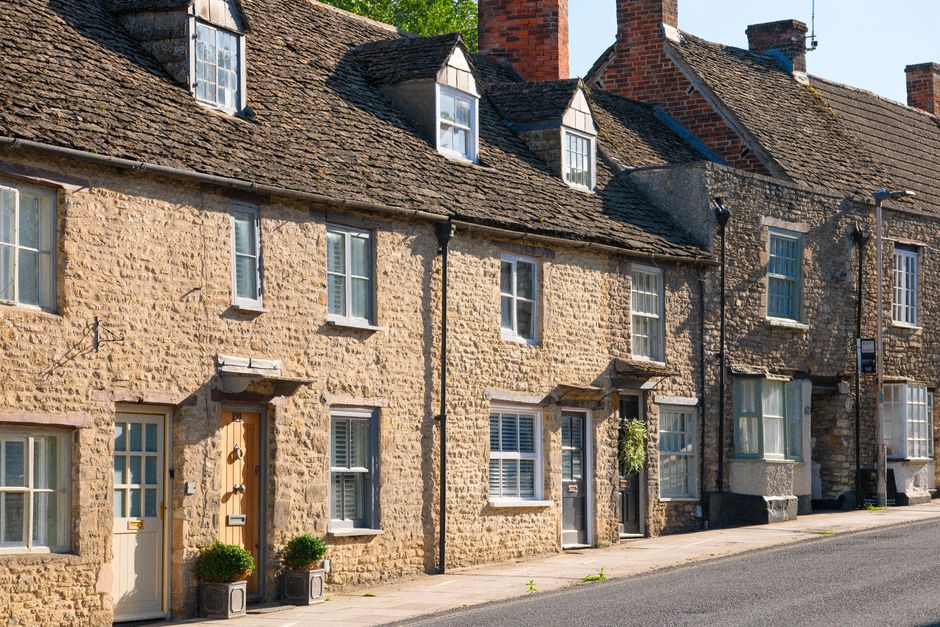
A spring weekend in the Cotswolds without a car works best when you give yourself permission to see less. Honey-coloured villages, fields edged with dry-stone walls and an unhurried lunch are entirely possible by train, bus and foot. The trick is to choose a useful base and build your outings around real connections, rather than trying to reproduce a driving itinerary. This plan uses Moreton-in-Marsh for arrival and accommodation, with one village outing and a flexible second day.
Choose your base before your sights
The Cotswolds covers a large area, and a village that looks central on a map may be awkward to reach on a weekend. Moreton-in-Marsh is a practical starting point because it has a railway station close to its centre. Trains connect it with Oxford and London Paddington, making it possible to arrive without arranging a separate rural transfer.
Look for accommodation within a comfortable walk of both the station and your intended bus stop. Check the actual walking route, especially if you will arrive after dark with luggage. A property described as being near Moreton may sit outside town along a road you would not want to walk.
Staying in one place for both nights keeps the weekend simple. You can leave your bag behind, change plans when rain arrives and return to familiar surroundings for dinner. Before booking, ask about luggage storage and any accessibility needs that matter to you.
Make a transport plan that survives Sunday
Start with your journey home and work backwards. Weekend rail engineering work can affect your route, while rural buses may have different Saturday, Sunday and bank-holiday arrangements. Check National Rail and the relevant train and bus operators for current details. A connection shown for a weekday is not evidence that the same trip works on Sunday.
For a northern Cotswolds outing, investigate the bus corridor linking Moreton-in-Marsh, Stow-on-the-Wold and Bourton-on-the-Water. Cotswolds tourism’s official transport information is a useful starting point, but confirm your particular date with the operator. Avoid building the day around an unverified service number or an assumed frequency.
- Save the outward and return journeys, including the correct stops for each direction.
- Choose a return before the final possible departure whenever the service pattern allows.
- Check how tickets are bought and whether your preferred payment method is accepted.
- Keep a taxi contact as a contingency, and ask about availability before relying on it.
A taxi can rescue a disrupted connection, but a rural pickup is not guaranteed on demand. If a route only works with several tight transfers, simplify the outing instead.
Friday: arrive and settle into Moreton-in-Marsh
Make arrival evening deliberately gentle. Walk along the broad High Street, notice the changing shades of limestone and find somewhere for dinner within easy reach of your accommodation. This is also a useful moment to locate tomorrow’s bus stop in daylight, rather than searching for it with breakfast still in your hand.
Pick up water and something portable to eat before heading out the next day. Rural walks are more enjoyable when you are not depending on finding an open kitchen at exactly the right moment. If you have dietary requirements, check meal options ahead and reserve where appropriate, particularly around spring holidays.
Saturday: Bourton-on-the-Water at walking pace
Begin beside the River Windrush
Take a suitable bus to Bourton-on-the-Water and make the village itself your first destination. The River Windrush runs through its centre beneath low stone bridges, with grassy edges and limestone buildings creating the familiar scene. Walk beyond the first busy stretch before deciding where to pause; there is no need to spend the whole visit around a single bridge.
Bourton is popular, including in spring, so expect company on fine weekends. Let the village be lively rather than treating other visitors as an obstacle. Enjoy the riverside, explore public lanes and leave enough time for lunch before choosing whether to continue into the countryside.
Add Lower Slaughter if conditions suit
For a countryside extension, use a current walking map to plan a footpath route towards Lower Slaughter. Its stone cottages and the River Eye offer a different atmosphere from Bourton’s busy centre. Treat the walk as an optional addition, with an out-and-back route that brings you to your confirmed return bus.
Do not navigate by joining village names with the shortest road on your phone. Rural roads may lack pavements, and a mapped footpath may involve mud, gates or uneven ground. Check the complete route, recent weather and your own walking pace before setting off. Turning back early is better than hurrying across unfamiliar fields to catch a bus.
If the paths are waterlogged or the weather feels unsettled, stay in Bourton and shorten the outing. A relaxed lunch and a riverside stroll still make a worthwhile day. Return to Moreton with time to spare, then spend the evening somewhere close to your bed.
Sunday: keep the return journey easy
Sunday should be the simpler day. After breakfast, leave your luggage with your accommodation if agreed and choose a modest walk from Moreton using an official route description or a reliable walking map. Look for a circuit with a clear distance and surfaces you can manage, rather than improvising across fields.
If you would rather visit another town, consider Stow-on-the-Wold only after checking that Sunday’s buses fit comfortably around your train. Its market square and stone streets reward an unhurried wander. Make it an alternative to the local walk, rather than adding it to an already full day.
Keep a wet-weather version ready: a slower breakfast, time browsing in town and an earlier departure if your ticket permits. Collecting your bag and reaching the station without a sprint is a pleasant way to finish a rural break.
Pack for spring paths and changing weather
Spring can bring bright sunshine, cold wind and showers within the same outing. Wear layers beneath a waterproof jacket and choose footwear with grip that you do not mind getting muddy. A small day bag is easier to manage through gates and on buses than a bulky weekend holdall.
- Carry water, a snack and a charged phone with an offline map.
- Bring a warm layer for waiting at exposed stops.
- Pack sun protection for clear spells and a bag for wet clothing.
- Keep essential journey details somewhere accessible without mobile reception.
Follow signed public rights of way, leave gates as you find them and give livestock plenty of space. Keep dogs under close control and follow local signs. Photogenic cottages remain people’s homes, so admire gardens and doorways from public routes.
Let the landscape set the pace
The reward for a car-free weekend is time to notice details between destinations: new leaves along a footpath, a river bending past stone walls, or the shelter of a village square after a shower. Choose one main outing, protect your return connections and let everything else be optional. You will leave with a clearer sense of the Cotswolds than a rushed string of village stops could offer.