An autumn break in the Peak District is an invitation to slow down. Stone villages, wooded valleys and open hills give you plenty to explore, but the pleasure often lies in the rhythm of the day: a walk while the weather is kind, a leisurely lunch, then a warm place to settle as evening arrives. Plan around comfort and flexibility, and you can enjoy the season without turning your holiday into an endurance exercise.
Choose a base that makes evenings easy
Where you stay shapes this kind of trip. A remote cottage may look wonderfully peaceful, but consider whether you want to drive again after returning from a muddy walk. A room within walking distance of food can make a short break feel much more restful. Check the actual walking route, including pavement and lighting, rather than judging convenience from distance alone.
Bakewell for town comforts
Bakewell offers a useful combination of shops, places to eat and walks beside the River Wye. It suits travellers who want countryside during the day and a choice of things to do afterwards. Before booking, establish where you can park, whether parking is included and how you will reach the walks you have in mind.
The Hope Valley for village and hill scenery
Castleton and Hope make appealing bases for exploring the Hope Valley. Castleton combines a village setting with nearby hills and show caves, while a stay near a railway station can help if you are travelling without a car. Check the route between your accommodation and the station carefully; luggage and darkness can make an apparently simple transfer less comfortable.
A smaller village for quiet nights
Somewhere such as Hartington can suit a break centred on village life and surrounding limestone countryside. Fewer evening options mean you should confirm food arrangements before arrival. Ask accommodation providers about heating and somewhere to dry clothing. If a fire is part of your idea of a cosy stay, confirm that it is available for guests to use.
Understand the different landscapes
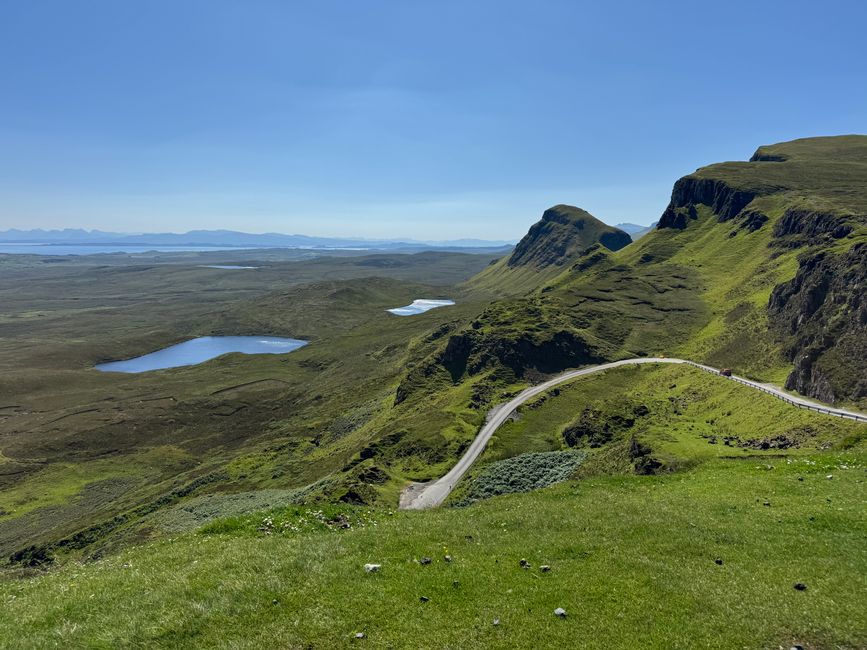
The White Peak is characterised by limestone dales, pasture and pale stone villages. The Dark Peak has gritstone edges, moorland and a more exposed atmosphere. These differences help you choose your outings: woodland and valley walks offer a different autumn experience from a windswept ridge, even when the two are relatively close together.
For changing leaf colour, include some wooded countryside rather than focusing entirely on the open hills. For broad views and dramatic skies, consider an exposed viewpoint only when conditions suit your experience. Neither landscape guarantees an easy walk. Check gradients, surfaces and access points before deciding that a short route will be straightforward.
Make walking plans you can change
Choose each day’s outing after checking the local forecast, visibility and remaining daylight. Conditions on a high ridge can be very different from those in a village. Allow extra time for slippery surfaces, muddy paths and pauses, and aim to finish comfortably before dark. A torch is useful backup rather than a reason to squeeze in another hill.
Have a shorter option ready before you leave. An out-and-back walk can be easier to adjust than a long circuit because you can turn around without inventing a new route. Download appropriate mapping and understand the terrain. Mobile reception and a phone battery should not be your only safeguards against getting lost.
Try a manageable section of the Monsal Trail
The Monsal Trail follows a former railway through the White Peak. Its cuttings, tunnels and views of the dales provide variety without requiring a summit climb. Select a section that suits your group rather than trying to complete the whole trail. Consult the National Park Authority’s official route information for access arrangements and any updates before travelling.
The approach to a trail can be steeper than the trail itself. If you use a wheelchair or pushchair, check the official accessibility information for the particular entrance and stretch you intend to use. Leave room for other visitors, remember that cyclists share the route, and keep dogs close.
Keep higher viewpoints optional
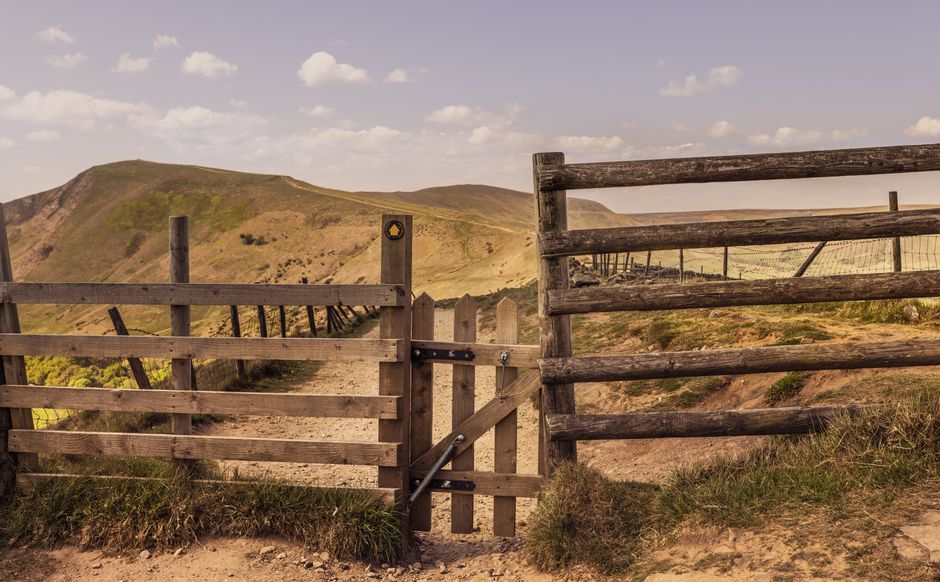
Mam Tor and the gritstone edges are tempting on a clear day, but wind, low cloud and wet ground can change their appeal quickly. Choose an established route suitable for your experience and turn back if conditions deteriorate. A shorter valley walk followed by time in a village can be just as satisfying as reaching a famous viewpoint.
Give rainy afternoons something to offer
Identify an indoor alternative before your trip. Castleton’s show caves offer a way to explore beneath the landscape, although underground visits have their own practical demands. Check official descriptions for steps, uneven surfaces, enclosed spaces and visitor restrictions. Do not assume that every cave visit suits every member of your group.
You can also enjoy a quieter afternoon without booking an attraction. Browse a village, read at your accommodation or take a brief stroll between showers. Choose a place to stay where you would be happy spending a few daylight hours indoors. Comfortable seating and drying space may contribute more to the trip than an ambitious list of outings.
Keep your weekend geographically simple
- On arrival: settle in, collect provisions and take a short orientation walk while it is light.
- On your main day: choose one substantial outing that suits the forecast, with enough time afterwards to change and relax.
- Before leaving: enjoy a village stroll or a shorter walk near your departure route.
Avoid combining distant corners of the national park simply because each looks appealing. Narrow roads, parking and the practicalities of starting a walk all take time. Staying within one area lets you spend more of your break enjoying the countryside. If you have no car, organise outings around confirmed transport connections and leave a comfortable margin for your return.
Pack for warmth and a dry change
Bring waterproof outer layers, footwear with reliable grip and insulating layers you can adjust as you walk. A hat and gloves are useful on exposed ground. Carry water, food, navigation, a charged phone and a torch, with a dry layer protected inside your bag. Pack something comfortable to change into when you return.
A separate bag for muddy footwear helps keep the journey home pleasant. If you are self-catering, plan an uncomplicated first meal. If you want dinner out, check food service and reservation arrangements directly. Avoid building an evening around the assumption that a village kitchen will be serving whenever you arrive.
Enjoy the countryside considerately
Follow signed routes, close gates as instructed and keep dogs under effective control around livestock. Take litter away and use designated parking without blocking lanes or field entrances. On wet walks, avoid widening paths by trampling vegetation beside muddy sections. Give residents space as you explore the villages they call home.
Before setting off, check current access advice with the National Park Authority and confirm transport and attraction details through official sources. Then leave some room in the day. An autumn break feels most restorative when there is time to notice a glowing tree, wait out a shower and return somewhere warm without rushing.