
An off-season city break gives you a reason to slow down, spend longer inside a museum and explore beyond the busiest sightseeing streets. It also calls for thoughtful planning. Seasonal closures, limited daylight and changing weather can affect how much you comfortably fit into a short visit. Planning a City Break in the Off-Season starts with choosing an experience that suits the season, then giving yourself enough flexibility to enjoy the city as you find it.
Decide what you want from the quieter season
Off-season means different things in different cities. A quieter period for sightseeing may overlap with a busy calendar of conferences, performances or local celebrations. Do not assume that fewer visitors around the monuments will mean empty hotels or unrestricted access everywhere.
Write down your main reasons for travelling. Museums, architecture and relaxed meals can work well when the weather is unsettled. A trip built around gardens, outdoor terraces or boat excursions needs closer attention to seasonal availability. Identify the experience you would be most disappointed to miss, and use that as your starting point when comparing dates.
Check availability before committing to dates
Visit the official websites of your essential attractions before booking transport. Look for recurring closure days, temporary exhibitions, maintenance notices and seasonal access restrictions. Check your exact travel dates rather than assuming that a general description of the destination applies throughout its quieter months.
Consult the city’s official tourism calendar for public holidays and major events. These may bring something special to your visit, but they can also affect accommodation demand and access to particular areas. If your break revolves around a performance or exhibition, confirm that experience first and arrange your journey around it.
Count usable time rather than nights away
A late arrival and early departure can leave little time between checking in and heading home. Sketch your actual sightseeing window, including transfers and luggage arrangements. Then check whether your priority attractions open during that window. Moving the trip by a day may improve your experience more than squeezing another stop into an already crowded schedule.
Compare the complete cost of the break
Travelling outside busy periods does not guarantee a cheaper trip. Compare accommodation and transport together, including baggage, transfers and the journeys between your hotel and the places you want to visit. A distant arrival point or inconvenient base can absorb both money and valuable time.
Consider booking conditions alongside the total. Flexible accommodation can help if your plans change, but read the cancellation deadline and payment terms carefully. Keep transport and attraction conditions in the same place as your confirmations. Knowing what you can change, and when, makes it easier to respond calmly if an essential part of your break becomes unavailable.
Choose a base that works after dark
Accommodation location becomes especially useful when daylight is short or the weather makes long walks uncomfortable. Choose somewhere with a straightforward route to the neighbourhoods where you expect to spend most of your time. Examine the walking route as well as the distance: steep streets, exposed paths and difficult crossings can change how convenient a location feels.
Check for nearby dining options and practical public transport. A district centred on offices or visitor attractions may feel different once those buildings close. Read recent accommodation reviews for comments about heating or cooling, noise and access. If step-free entry matters, confirm the precise arrangements directly with the property.
Give each day one main purpose
Build every full day around one anchor activity, such as a museum, historic interior or guided visit. Add a walk in the same area and leave space for a meal or an unexpected discovery. This gives your day direction while allowing you to adjust its pace.
Group activities geographically rather than repeatedly crossing the city. Waiting between connections can become tiring when conditions are uncomfortable. Keep distant neighbourhoods for a day when weather and transport make them appealing. A quieter destination still rewards a realistic schedule; fewer crowds do not remove the time needed to travel, rest and enjoy what you came to see.
Make a nearby weather alternative
For every long outdoor activity, find an indoor alternative close by. Check whether it requires a reservation and whether it opens on the relevant day. A useful backup is something you can choose over breakfast without rebuilding your entire itinerary.
- Save exposed viewpoints and extended walks for the most promising daylight window.
- Keep an indoor visit available for a wet afternoon.
- Allow time to return to your accommodation if clothing becomes soaked.
- Leave part of each day unreserved for delays or discoveries.
Check transport in both directions
Confirm your airport or station transfer for the time you actually arrive. Use official operator information to check seasonal changes, planned works and the last useful connection. Think through a delayed arrival too, so you have a workable alternative ready if the first plan falls apart.
Within the city, understand how local tickets are bought and validated before boarding. Save your accommodation address and download an offline map. If you are considering a day trip, check the return journey and any onward connection from the station to the attraction. Being able to reach somewhere does not necessarily make it a comfortable addition to a short break.
Pack for moving between streets and interiors
City sightseeing often involves repeated transitions between outdoor weather, warm buildings and public transport. Bring layers you can adjust easily and outerwear suited to the forecast. Comfortable footwear with reliable grip matters on wet or uneven pavements. Choose clothing that works together across several activities rather than packing a separate outfit for every stop.
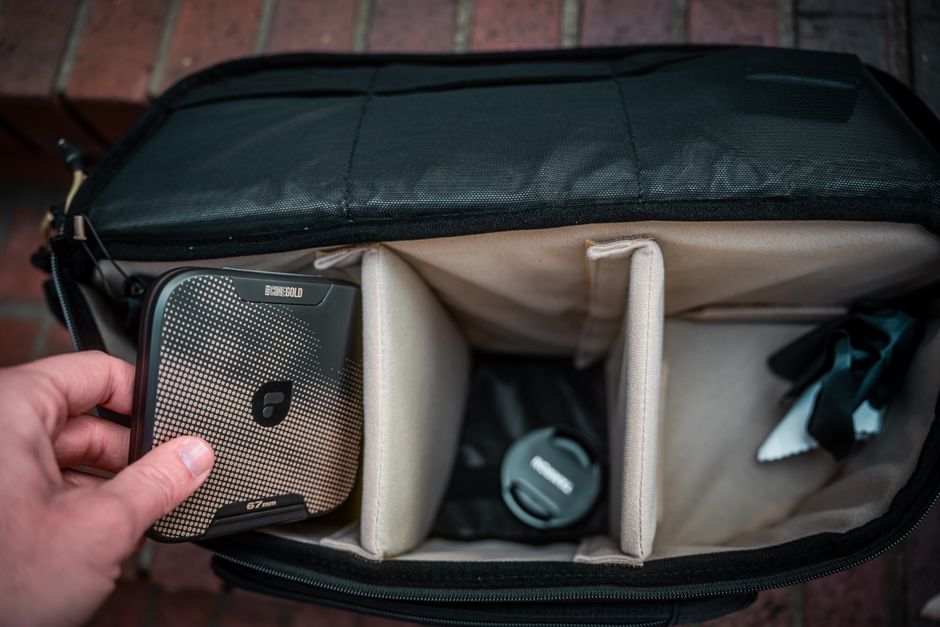
A small day bag should keep essentials accessible and your hands free. Protect items that need to stay dry and bring a suitable charging setup. Check the forecast close to departure, including wind and conditions after dark. The practical question is what you will encounter during your visit, rather than what the season usually looks like in photographs.
Leave space for everyday city life
Allow yourself time to notice ordinary details: a neighbourhood square, a covered market or the changing light along a street. Check access before making a special journey, and remember that local businesses may follow routines that do not match your sightseeing schedule. When a particular meal matters, confirm the arrangements and keep another option within reach.
Before leaving each morning, review official notices for your reserved visits and check local weather information. Decide which activity matters most and which parts of the day can move. With a clear priority and room to adapt, you can enjoy a satisfying city break without needing every moment to follow the original plan.