Christmas in Rome rewards a slower kind of sightseeing: stepping into a church to study a miniature landscape, crossing a square as the light fades, then finding somewhere warm to pause. Nativity scenes give your walks a purpose without turning the whole visit into a checklist. Build your days around a few carefully chosen stops, leaving room for rain, worship and the simple pleasure of wandering. Pair the city’s Christmas traditions with manageable winter walks, and you can enjoy the season without spending every daylight hour on your feet.
Plan around the Christmas season
Rome’s festive atmosphere develops through December and continues into the Christmas period after Christmas Day. Individual displays follow their own calendars, so an early December visit may feel different from one closer to Christmas. If a particular nativity scene matters to you, confirm its display dates before shaping a day around it. Check official church, Vatican and Rome tourism information for current arrangements.
Christmas also brings pilgrims, services and family celebrations. Winter does not guarantee empty streets, especially around the Vatican and major landmarks. Treat Christmas Eve, Christmas Day and other religious celebrations as occasions that can change access and transport arrangements. Choose one essential visit for each day and keep the rest flexible.
Look closely at Rome’s nativity scenes
The Italian word presepe means a nativity scene. Some displays concentrate on the Holy Family; others surround the central scene with elaborate streets, workshops, animals and everyday life. Before moving on, look at the setting as carefully as the figures. A tiny doorway, a shepherd’s expression or a hillside path can be as absorbing as the main group.
Seasonal installations and historic displays offer different experiences. A temporary outdoor scene might make its strongest impression from a distance, while a smaller indoor display invites close attention. You do not need to see dozens. Choosing a few contrasting examples leaves more time to appreciate the craftsmanship and the buildings around them.
Start with St Peter’s Square
St Peter’s Square is a natural focus for a Christmas visit, with its seasonal nativity scene and tree framed by the colonnades. The design changes between Christmas seasons, so avoid expecting a particular landscape or set of figures from photographs. Give yourself time to take in the whole square before approaching the display.
A walk through the square and a visit inside St Peter’s Basilica require separate planning. Security checks, religious ceremonies and crowd controls can affect your route, and major services may limit sightseeing access. Check the basilica’s official visitor information and Vatican announcements beforehand. If attending a ceremony is your priority, follow the official instructions for that event rather than assuming ordinary visitor arrangements apply.
Find a historic scene near the Forum
The Basilica of Santi Cosma e Damiano, beside Via dei Fori Imperiali, offers a different setting for nativity viewing. Rome’s official tourism information identifies a historic Neapolitan nativity scene here. Check current access with the basilica before visiting, particularly during holiday services. Pairing this stop with a walk outside the ancient monuments gives the day a clear theme without requiring a full archaeological itinerary.
A winter walk from the Vatican to the historic centre
Begin around St Peter’s Square, allowing enough flexibility for crowds or security arrangements. From the Vatican area, follow Via della Conciliazione toward Castel Sant’Angelo. This broad approach contrasts with the smaller streets you will encounter later and gives you a straightforward way to orient yourself.
Continue toward Ponte Sant’Angelo for river views and the bridge’s sculptural details. In wet or windy weather, keep this section brief: exposed crossings can feel colder than sheltered streets. Stay on the upper street network if you want the simplest route. Riverside paths can involve stairs and may be unsuitable when conditions or access restrictions change.
Across the river, work your way toward Piazza Navona, then the Pantheon area. These are rewarding places to stroll even when you have no indoor visit planned. Leave time for side streets and a warm break, and avoid making a seasonal market the day’s main promise unless you have checked the current official programme. Finish when you feel comfortably tired; continuing to another famous square is optional.
A second walk among churches and ancient streets
On another day, use Piazza Venezia as an orientation point and walk along Via dei Fori Imperiali toward Santi Cosma e Damiano. The ancient ruins provide an open-air backdrop, while the church offers a change of scale and atmosphere. Follow marked pedestrian routes and crossings, particularly where traffic and crowds make the streets feel busy.
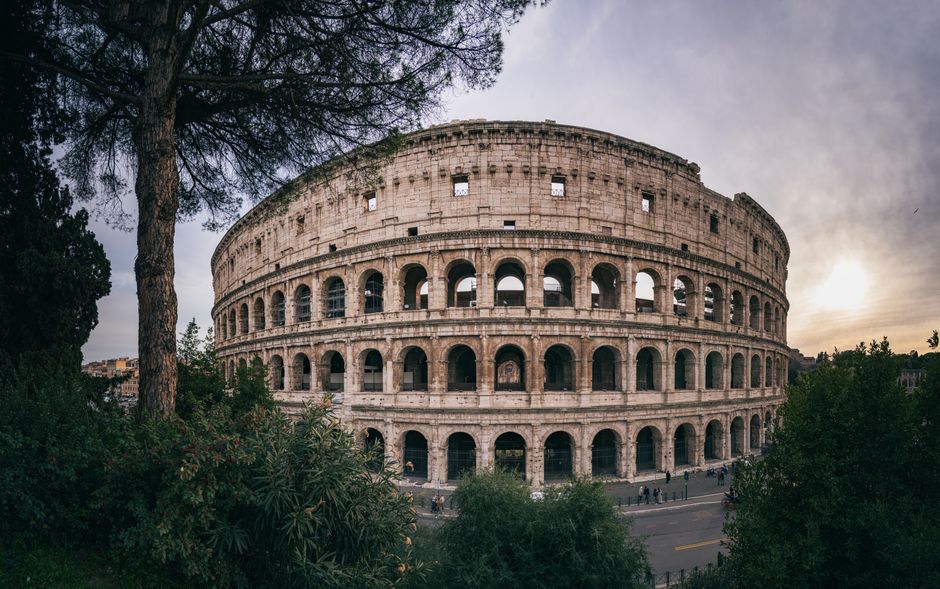
After your church visit, choose between continuing toward the Colosseum exterior or turning toward Monti for smaller streets and a meal break. You do not need to add paid monument visits for this walk to feel worthwhile. In winter, a short route with time to stop often works better than combining churches, ruins and several museums in one day.
If you want to extend the outing toward Santa Maria Maggiore, remember that the route climbs toward the Esquiline area. Keep the basilica visit separate from any assumption about a seasonal display: verify what is accessible before going. The uphill extension is easy to drop if daylight, weather or energy is running short.
Make church visits comfortable and respectful
Churches remain places of worship during the festive season. Pause at the entrance to see whether a service is underway, keep conversations quiet and follow staff guidance. If sightseeing would disturb worship, return later. Cover shoulders and knees, and choose winter layers that are easy to adjust indoors.
- Check photography rules before taking pictures, and avoid flash where it is prohibited.
- Keep doorways and aisles clear while looking at displays.
- Carry a small bag so security checks and crowded interiors are easier to navigate.
- Ask before approaching an area that appears reserved for prayer or a service.
Prepare for short days and changeable weather
Rome can feel pleasantly mild in winter sunshine, then noticeably cold once you stop walking. Pack layers, a rain-resistant outer garment and shoes with dependable grip. Uneven paving, polished stone and cobbles deserve extra care when wet. A compact umbrella is useful, but put it away in tight crowds and shake it off before entering buildings.
Place outdoor sections in the brighter part of the day and save a flexible indoor stop for later. If heavy rain arrives, shorten the route instead of trying to preserve every planned stop. Travellers with limited mobility should check entrances, steps and accessible routes directly with each venue; a short distance on a map can conceal awkward surfaces or a steep approach.
Leave space for the evening
Before setting out, check holiday transport information with Rome’s official operator and confirm how you will return to your accommodation. Keep your phone charged and save your route. Arrange a meal break before you become cold and hungry, especially on holidays when your preferred options may be closed or busy.
The best ending may be a final look across a lit square rather than another attraction. Let each day have one memorable nativity scene, a walk you can comfortably enjoy and enough spare time to notice Rome around you. That gentle rhythm makes room for both the Christmas celebrations and the everyday city.