Autumn in Piedmont invites you to build a trip around the landscape and the table: vineyard walks, a carefully chosen tasting, and a long lunch in a hill town. In the Langhe and neighbouring Roero, these pleasures sit close together, but winding roads and seasonal crowds reward a little planning. Use Alba as an anchor, choose a manageable patch of countryside, and leave space for weather changes. The aim is to enjoy the season, rather than collect villages through a car window.
Choose the autumn experience you want
Early autumn can suit travellers who want longer outdoor days and the activity of the grape harvest. Later in the season, cooler air, changing leaves and truffle events create a different atmosphere. Neither vineyard colour nor harvest activity follows a fixed visitor calendar. Weather, grape variety and location all influence what you find, so avoid making one particular scene the condition for a successful trip.
Alba’s white truffle fair is a major seasonal draw. If attending matters to you, check the official event programme before choosing accommodation. Fair days can bring busy streets and greater pressure on restaurants and parking. If you prefer a quieter visit, compare your proposed dates with the programme and consider spending the busiest part of the day in the countryside.
Pick a base that fits your transport
Alba is a practical choice if you want restaurants, shops and an evening stroll close to your accommodation. Its historic centre gives you something enjoyable to do when the hills disappear into mist. Before booking, establish where you can leave a car and whether reaching the property involves entering a restricted traffic zone.
A countryside stay offers a closer connection to the vineyards, but dinner becomes a transport question. Check whether meals are available on site, how far the nearest village really is, and whether the approach is comfortable after dark. A short distance on the map can involve steep bends and narrow lanes.
For a first visit, three or four nights allow room for Alba, a vineyard outing and an unhurried day among the hills. Staying in one place usually makes more sense than changing accommodation every night. Piedmont extends far beyond this area; trying to combine its wine hills, mountains and lakes in a short autumn break can leave little time to enjoy any of them.
Make truffles an informed part of the trip
Know what you are ordering
The white truffle associated with Alba is prized for its aroma, and a simple dish can give it space to stand out. Fresh pasta, eggs or risotto may provide that setting. Read the menu carefully: a dish flavoured with truffle sauce or oil offers a different experience from one served with fresh truffle shaved over it.
Ask how the truffle supplement is calculated before ordering. Establish whether it is included in the dish or charged separately, and agree what you want before serving begins. Availability and quality vary with the season. You can enjoy Piedmontese cooking without making fresh truffle the centre of every meal.
Choose a responsible guided outing
A guided truffle search can introduce the relationship between woodland, dog and handler. Ask whether the outing is a demonstration or a search in natural conditions, what walking is involved, and whether it suits your group’s mobility. Make sure you understand the meeting point and wet-weather arrangements.
Go with an authorised local professional and follow their instructions about access and collecting. Finding truffles is never something a visitor should assume is guaranteed. Wear shoes with grip, expect damp ground, and let the handler direct interaction with the dog. The knowledge shared along the way is part of the experience.
Visit vineyards without rushing the tasting
Barolo and Barbaresco are both associated with Nebbiolo, but you do not need specialist knowledge to enjoy a visit. Choose a tasting that explains the landscape, grape growing and cellar decisions in accessible terms. Tell the producer whether you are a beginner, have particular interests, or would prefer a shorter introduction.
Reserve ahead and confirm the language, duration and what the visit includes. Autumn is a working season for wineries; a cellar cannot always accommodate an unannounced arrival. One substantial appointment, paired with lunch and a walk, can be more satisfying than several tastings squeezed between drives.
Arrange a driver or organised transport if everyone wants to taste. Otherwise, designate someone who will not drink. When comparing outings, ask how much time is spent travelling and whether food is included. If you buy bottles, consider luggage restrictions and transport arrangements before committing to more than you can carry comfortably.
Use hill towns as places to pause
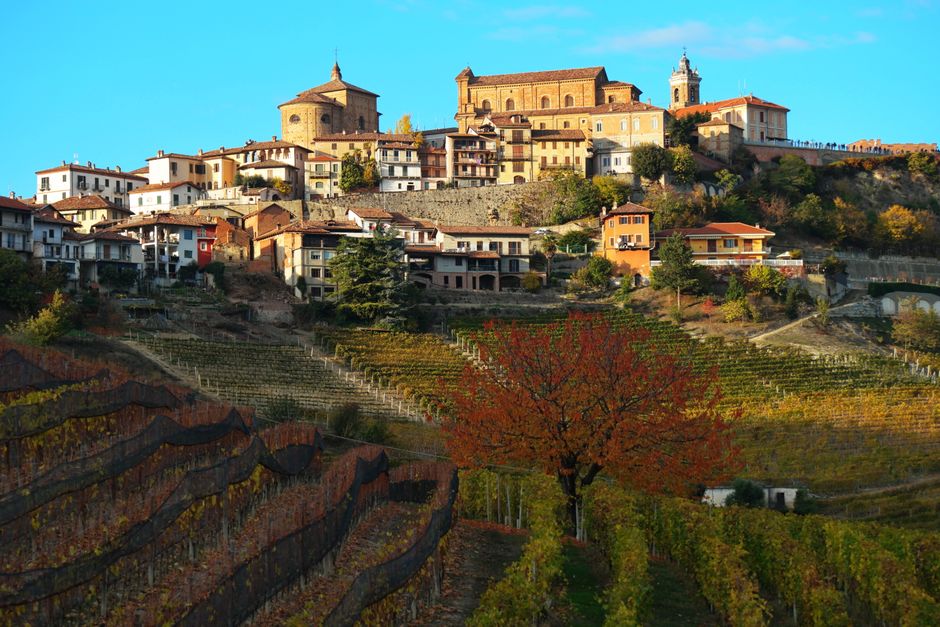
Choose towns that fit the day’s route and give each a purpose. La Morra can provide a broad introduction to the vineyard landscape from its elevated setting. Barolo connects a village visit with the wine that carries its name. Around Barbaresco and Neive, you can combine compact historic streets with another perspective on the surrounding hills.
This need not become a checklist of the prettiest villages. Pick one place for a morning wander and another for lunch or an afternoon stop. Park in a designated area outside the oldest streets when possible, then explore on foot. Cobbles, slopes and steps make comfortable footwear useful even on a day without a countryside walk.
If cloud hides the panorama, look closer: doorways, church interiors where accessible, food shops and a sheltered coffee stop can carry the afternoon. Check official visitor information for access arrangements at castles, towers and museums rather than assuming every landmark welcomes walk-in visitors.
Walk with the season and the working landscape
Vineyards are farmland, and the space between rows is not automatically a public path. Choose a recognised walking route, check its condition locally, and follow signs rather than cutting across cultivated slopes. Allow tractors and other agricultural traffic plenty of room. Keep dogs under control and respect gates and private entrances.
After rain, soil can become slippery and muddy. Fog may obscure junctions and viewpoints, while shorter afternoons reduce your margin for a late start. Carry a downloaded map, water and an extra layer, and choose a route you can comfortably finish in daylight. If visibility deteriorates, a shorter village walk is a sensible alternative.
Build a flexible rhythm for each day
Give each day one fixed commitment and let the rest stay adjustable. A winery appointment could anchor one day; a truffle outing or fair visit could anchor another. Keep outdoor time for the clearest forecast and save sheltered activities for rain. Avoid placing a remote appointment immediately after a leisurely restaurant lunch.
- Pack layers, a waterproof jacket and shoes that tolerate wet paths.
- Reserve the meals and experiences that matter most to you.
- Check rural transport connections in both directions before setting out.
- Confirm event details, visitor access and local conditions with official sources shortly before travelling.
Leave your final afternoon lightly planned. You might return to a favourite viewpoint, linger over hazelnut cake, or take a short walk once the mist lifts. Autumn in Piedmont works best when food, wine and landscape share the day, with enough breathing room to notice each of them.