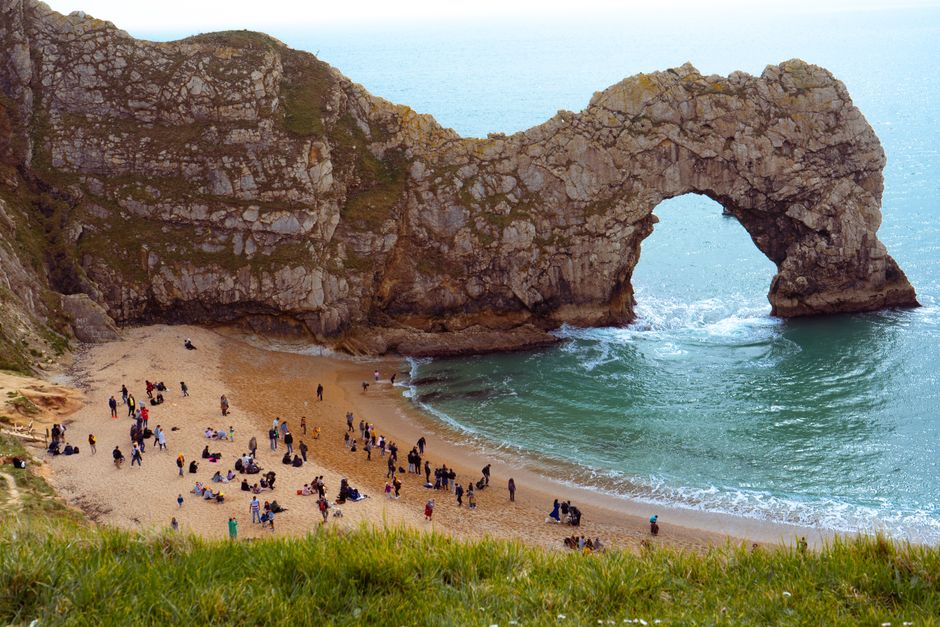

A winter walk along the Northumberland coast brings the landscape into sharp focus: pale sand, dark rock, restless water and castle ruins against a wide sky. The pleasure comes from giving yourself time to notice these contrasts, with a route short enough to enjoy comfortably before daylight fades. For a first visit, the coast north of Craster offers a rewarding introduction. Make Dunstanburgh Castle your turning point, or consider continuing towards Embleton Bay when conditions and your energy allow.
Choose a walk that fits the day
Winter is a good reason to keep your plan flexible. A modest distance on a map can feel much longer into a headwind, across wet grass or with frequent stops to adjust your clothing. Start with an out-and-back route from Craster rather than committing to a distant finish. Returning along familiar ground makes it easier to shorten your walk without complicated transport arrangements.
The National Trust publishes a longer coastal walk connecting Craster and Low Newton. Consult its official route information to understand the terrain, then choose a section suited to your group. Reaching another village does not automatically make a convenient finish: you still need a reliable way back. A satisfying short walk usually beats a hurried attempt to cover every viewpoint.
Begin beside Craster’s harbour
Craster is a small fishing village with a harbour opening towards the North Sea. Before heading onto the coast path, look at the working waterfront from a safe public spot. Boats, stone buildings and the surrounding shore give the walk a sense of place before the open landscape begins. Keep access clear and remember that harbour edges can be slippery.
Follow the signed coastal route north towards Dunstanburgh Castle. The walk crosses open coastal ground, where the ruined fortress gradually becomes the dominant feature ahead. There is little shelter from the wind, so adjust your layers before you become chilled. Keep to the public path through grazing land, close gates as directed and give livestock plenty of room.
Let the castle be the main event
Dunstanburgh’s setting is as compelling as its surviving stonework. Its broken outline rises above a rocky headland, with sea and open grass around it. Pause along the approach when the light changes; a passing cloud can transform the view without your needing to go anywhere else. Stay on established paths and leave a generous margin from exposed edges.
Decide separately whether you want to enter the castle. Check current access arrangements with English Heritage or the National Trust before travelling, since a coastal walk and a visit inside the ruins require different planning. Your outing can still feel complete if you simply enjoy the approach and surrounding views. The return to Craster offers different light and a changed perspective.
Continue towards Embleton Bay only if it suits
If the weather is settled, everyone feels comfortable and you have ample daylight, the coast beyond Dunstanburgh opens towards Embleton Bay. The landscape shifts from the castle’s rocky setting to a broad sweep of sand backed by dunes. Consult the official walking map for the onward route rather than improvising around the headland or scrambling across wet rocks.
A beach can look like an effortless shortcut, but its usefulness depends on the tide, sea conditions and access points. Follow marked routes and avoid any stretch where water could cut off your return. Keep dune crossings to established paths to protect vegetation and avoid unnecessary climbing. Turn back while the walk still feels enjoyable, before anyone becomes tired or cold.
Check wind, tides and daylight
Look at a coastal weather forecast rather than relying only on a general forecast for an inland town. Wind direction and strength can matter as much as rain: an exposed shore may feel uncomfortable even under blue skies. Check official weather warnings and postpone the coastal section if conditions are unsuitable. Waves breaking over a path are a reason to retreat.
Check local tide information whenever beach walking forms part of your plan. A tide prediction does not account for every effect of wind and swell, so assess what is happening on arrival too. Set a turning time that leaves a generous daylight margin for the return, including slower walking and breaks. Tell someone your route and expected return, particularly if walking alone.
Pack for pauses as well as movement
You may feel warm while walking and cool down quickly when you stop to photograph the castle or eat lunch. Wear adjustable layers beneath a waterproof, wind-resistant outer layer. Footwear should grip on muddy paths and wet grass; smooth-soled town shoes make the outing harder work. Carry spare warmth in a waterproof bag so it stays useful if showers arrive.
- A hat and gloves within easy reach.
- Water, a warm drink and food that is easy to eat outside.
- A charged phone and an offline route map.
- A small torch, basic first-aid supplies and personal medication.
- A spare dry layer for the journey home.
A torch is a backup, not a reason to extend the route into darkness. Check your map before junctions and stop somewhere secure to use your phone. If cold hands make equipment difficult to operate, simplify the walk and head back. Keep your group together so nobody misses a decision to turn around.
Give wildlife and working land space
Winter birds need opportunities to feed and rest without repeated disturbance. Watch from a distance, using binoculars if you have them, and move away if birds become alert or start retreating. Avoid walking straight towards groups gathered on the shore. You do not need to identify every species to enjoy the shifting patterns of birds over the water.
Keep dogs under close control and follow local signs, especially around livestock and feeding birds. Do not let them chase wildlife or approach grazing animals. Take litter home, including food scraps, and resist creating a new track across dunes or muddy ground. A quiet coast remains a shared place, even when you can see very few other walkers.
Arrange an easy finish
Before setting off, check parking instructions or current public transport details through official providers. Confirm the exact stop and your return options if travelling without a car. Do not build the day around an assumed bus connection or an unverified place to warm up. Carry enough food and drink to be comfortable if village facilities are closed.
After the walk, change out of wet layers and warm up before travelling onward. Leave further sightseeing optional. The lasting pleasure of this coast is often a simple sequence: the harbour behind you, the castle ahead, then the familiar path home beneath a changing sky. Plan around that experience, and a short winter outing can feel wonderfully spacious.