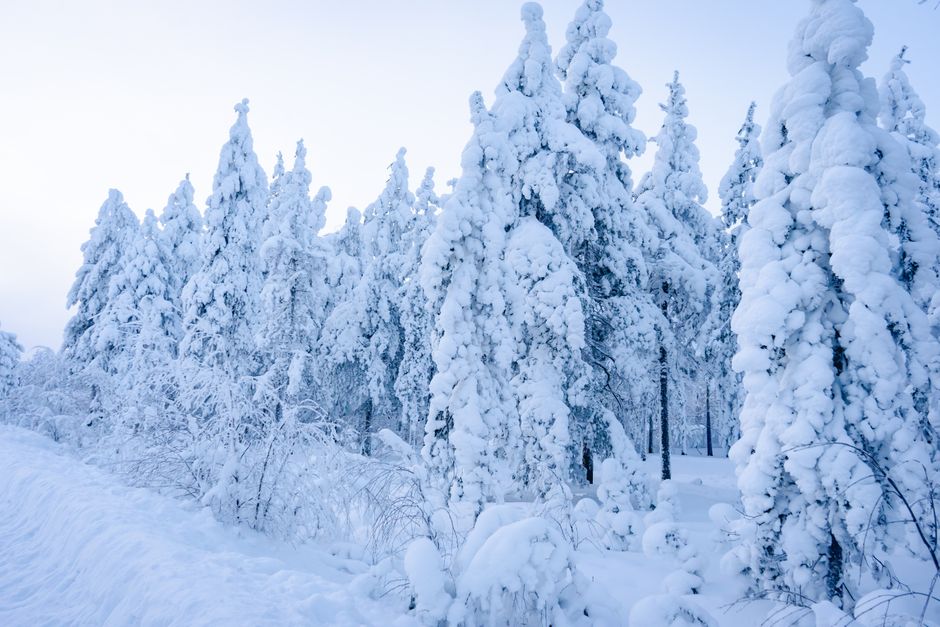
A winter break in Lapland brings snowy forests, soft twilight and the pleasure of returning somewhere warm after time outside. It also asks you to think differently about an ordinary holiday wardrobe. Standing still beneath a dark sky feels very different from walking through a resort, even when the weather has barely changed. Prepare for both, choose a practical base and leave room in your plans for conditions to decide the pace.
Choose your base before filling your suitcase
Lapland is not one resort with a single climate or transport system. The name describes a broad northern region, while Finnish Lapland is also a defined administrative region. This guide focuses on Finnish Lapland. Even within it, a town hotel, a ski resort apartment and a remote cabin create different practical needs. Decide how much independence you want before choosing accommodation.
Rovaniemi provides an urban base with access to organised winter experiences. Levi and Ylläs suit visitors interested in resort facilities and snow activities, while Saariselkä offers another base for northern landscapes. Look closely at the accommodation address rather than relying on the destination name. Somewhere described as nearby may still require an arranged transfer for meals, shopping or an excursion meeting point.
Expect the light to shape your days
Winter daylight varies considerably with latitude and the stage of the season. North of the Arctic Circle, polar night brings a period when the sun does not rise above the horizon. Twilight can still reveal delicate colours across the snow. Later in winter, longer days allow a different rhythm. Check daylight information for your actual destination and dates before planning independent walks.
Weather can change the experience just as much as light. Wind makes exposed places feel colder, snowfall can reduce visibility, and milder spells can leave slippery surfaces. Use the Finnish Meteorological Institute for current forecasts and warnings. Keep your first outing short and close to accommodation so you can assess your clothes and footing before attempting something longer.
Pack a clothing system you can adjust
Warmth comes from compatible layers, with enough room to move. Build an outfit from a moisture-managing base layer, insulating middle layers and protective outerwear. Try everything together before departure, including sitting down, bending over and fastening your boots. An excellent jacket cannot compensate for exposed ankles or trousers that become tight over your thermals.
Base layers and insulation
Wool or synthetic thermal tops and bottoms are useful next to your skin. Cotton holds moisture, making it a poor main layer for prolonged winter activity. Add fleece, wool or another insulating garment according to the conditions. Bring spare base layers so you can change after a sweaty outing rather than spending the evening in damp clothes.
Movement matters when choosing how much to wear. Snowshoeing can make you warm quickly, while sitting in a sled gives your body less opportunity to generate heat. Open vents or remove a layer before you become sweaty during activity, then add insulation when you stop. Discuss the expected effort and waiting time with your excursion provider.
Outerwear for more than your upper body
Choose an insulated winter jacket and trousers suited to snow and wind. Ordinary jeans offer little comfort for extended time outside in winter conditions. Check that your jacket overlaps your trousers and that cuffs work with gloves. A hood adds useful protection, but it should let you see clearly when walking near roads or crossing busy resort areas.
Give boots, socks and gloves proper space
Winter boots need insulation, dependable grip and enough room for suitable socks without squeezing your toes. Several pairs of socks crammed into tight boots can make matters worse. Pack wool or appropriate synthetic socks and carry a dry spare pair. Consider removable traction aids for icy paths, checking that they fit your boots and removing them where required indoors.
Bring a hat that covers your ears, a neck warmer and insulated mittens or gloves. Liner gloves help with small tasks but do not replace warm outer handwear. Spare mittens are particularly useful for children whose snow play leaves clothing wet. Practise adjusting straps and zips while wearing gloves; simple fastenings are easier to manage outside.
Check what you can borrow or rent
Some guided activities supply thermal suits and boots, but arrangements vary. Ask exactly what is included, which sizes are available and whether you keep the equipment between excursions. You still need appropriate clothing for arrival, transfers, independent walks and evenings out. If renting separately, confirm collection arrangements before relying on that equipment for your first day.
Beyond clothing, keep a small collection of useful items together:
- A daypack with space for an extra insulating layer.
- Spare gloves and socks protected from moisture.
- A headlamp and reflective accessories for dark walks.
- Sunglasses for bright snow and suitable sun protection.
- A phone charger and a charged power bank.
- A water bottle and an easy snack for outings.
Store essential booking information offline and keep your accommodation address somewhere other than your phone. Batteries can lose charge more quickly in cold conditions, so keep devices warm inside clothing where practical. Carry arrival essentials in your hand luggage, including medication and warm accessories, in case your main bag is delayed.
Build each day around one main experience
A husky outing, beginner skiing lesson or guided snowshoe walk can be enough to anchor a day. Leave time for dressing, transfers, meals and drying equipment afterwards. Ask providers about fitness requirements, age restrictions and weather cancellation arrangements before booking. For a short break, manageable days usually leave you with more energy to appreciate the setting.
Northern lights are a possibility rather than a guaranteed part of the itinerary. Clear skies and darkness help, but they do not ensure a display. Choose an evening experience you would enjoy for its surroundings too. Avoid making every night a late search followed by an early start; tiredness can quickly drain the pleasure from daytime activities.
For independent outings, follow marked winter routes intended for your activity. A visible track is not necessarily a pedestrian path, and snow-covered water is not automatically safe to cross. Check conditions with official visitor information and follow local instructions. A guided introduction is a sensible way to become familiar with an unfamiliar winter environment.
Make warmth part of your accommodation plan
Check how you will reach shops, meals and meeting points before booking an isolated stay. Arrange airport or station transfers in advance and consider your experience with snowy roads and darkness before choosing to drive. A convenient base with organised transport can simplify a winter holiday considerably.
Ask about space to remove boots and facilities for drying clothing. Keep indoor clothes simple and comfortable, and allow an uncomplicated arrival evening. Respect private property, follow animal handlers’ instructions and approach Sámi cultural experiences with attention to who presents them. These landscapes are also people’s homes and workplaces.
Before leaving, confirm current transport arrangements, excursion details and local guidance with official sources and your hosts. Then leave a few gaps for a quiet walk, a warm meal or watching twilight settle over the snow. The right preparation gives you the freedom to slow down and enjoy being there.