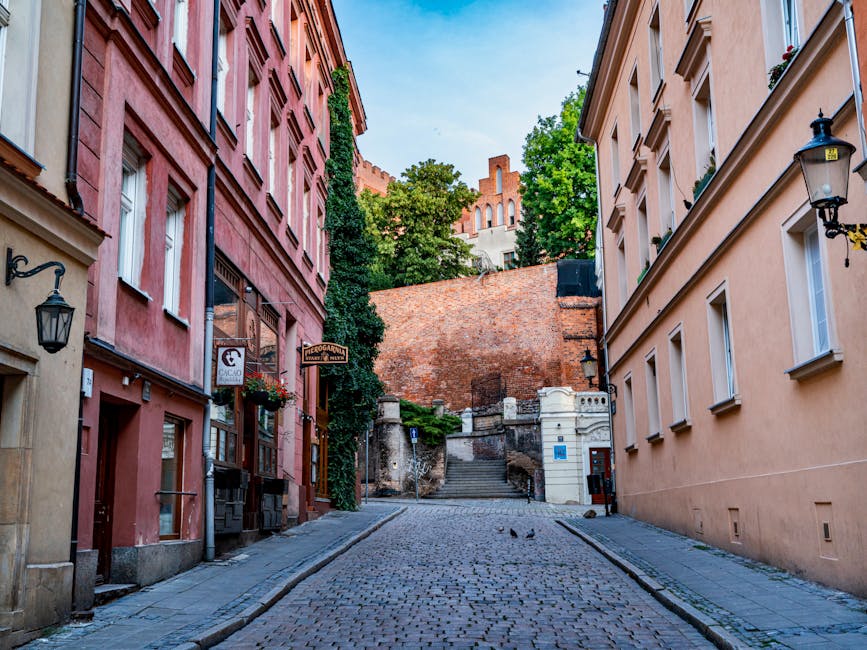
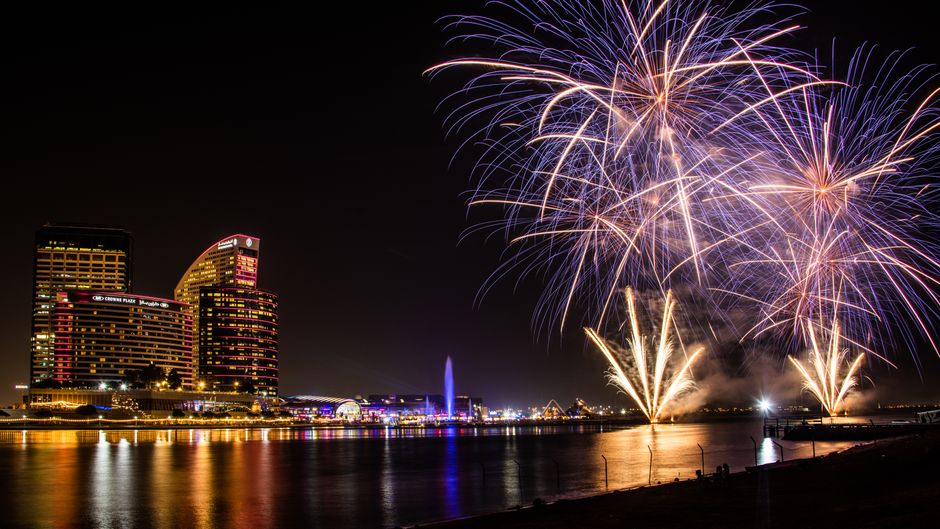
A New Year’s trip to a city celebration can be memorable for more than the midnight countdown. You can explore unfamiliar streets, share a relaxed meal and join a crowd gathered in anticipation. The practical challenge is that a city hosting a major event works differently from an ordinary weekend destination. Plan around the celebration’s location, entry arrangements and journey home, then leave enough flexibility to enjoy the rest of your stay.
Choose your kind of celebration
Start with the evening you would actually enjoy. A large outdoor countdown means standing, waiting and sharing limited space. A seated performance or organised dinner offers a different rhythm, while a neighbourhood gathering may suit you better than a landmark event. Decide whether your priority is spectacle, dancing, food or simply an atmospheric setting.
Discuss expectations with everyone travelling before choosing a destination. Someone who loves lively crowds may enjoy waiting outdoors; someone who needs regular breaks may find the same experience exhausting. Agree on a comfortable level of noise, walking and uncertainty. Let those preferences shape the trip instead of choosing solely because you recognise a famous view.
Understand the event before booking
Use the city’s official visitor information and the organiser’s announcements to establish what is planned. Do not assume a celebration repeats in the same format each time. A familiar public space may have controlled entry, separate viewing areas or a programme that differs from the photographs you have seen.
- Check whether entry requires tickets, registration or reservations.
- Confirm your entrance and whether your group must arrive together.
- Read restrictions on bags, food, drinks and other belongings.
- Find out whether leaving the area means losing your place.
- Check arrangements for toilets, seating and accessible viewing.
Save the instructions with your booking details. If something essential remains unclear, contact the organiser before committing to plans that depend on it. Treat unofficial viewing tips cautiously: a street that looks open on a map may fall inside an event boundary or be affected by crowd management.
Choose accommodation by the journey home
A central address is useful only if you can reach it comfortably after the celebration. Plot the walk from your likely exit to your accommodation. Look for rivers, bridges, parks and restricted streets that could turn a short-looking route into a substantial detour. Somewhere farther away on a straightforward route may be more convenient.
Ask your accommodation about access during major events and check published instructions closer to departure. If you expect a late arrival, confirm the check-in process. Consider noise too: staying beside the action makes returning easier, but street activity may continue after you want to sleep. Check cancellation conditions and payment deadlines before booking.
Keep the surrounding itinerary manageable
Leave breathing room between arrival and the main evening. If practical, arrive before the event day so a transport delay does not immediately threaten your celebration. Use your first walk to understand the neighbourhood, locate your accommodation entrance and get a sense of distances while the streets are easier to navigate.
Keep the celebration day light. Choose one manageable outing, eat properly and return to your room for a break if convenient. A full day of sightseeing followed by a long outdoor wait can drain the pleasure from the evening. Avoid an early departure the following morning if staying out late matters to you.
Plan meals and outdoor comfort
Decide when you will eat in relation to entry arrangements. A dinner reservation works only if it leaves enough time to reach the correct entrance without rushing. Check holiday arrangements directly with the venue, including whether there is a fixed menu, advance payment or a limit on how long you can stay.
Dress for standing as well as walking. In cold conditions, layers, weather protection and warm socks matter when you stop moving. In warmer destinations, consider humidity, rain and comfort in a crowd. Wear familiar shoes with reliable grip. Carry only what you need and can comfortably manage within the event’s bag rules.
Identify the toilets, water points and food facilities described by the organiser rather than assuming you will find them whenever needed. Bring permitted essentials. If you need medication or particular supplies, check how to carry them through entry checks. A small amount of preparation can prevent an avoidable interruption once you have settled in.
Agree on a crowd plan
Choose a meeting point outside the busiest area, with a recognisable name and precise location. Agree what to do if someone becomes separated and messages do not arrive. Meeting near a station is an unclear instruction when it has several exits or temporary restrictions. Everyone should know the accommodation address and how to reach it.
Charge your phone, save tickets offline and download a map of the surrounding streets. Keep valuables in a secure pocket or closed bag and leave your hands free where possible. Follow staff directions. If congestion feels uncomfortable, move towards a less crowded area while you still have room to choose a route.
Adapt the evening to your group
With children, discuss waiting, loud sounds and the possibility of leaving early before setting off. Consider suitable hearing protection where needed. For anyone with mobility or sensory needs, confirm access procedures, surfaces, step-free routes and facilities directly with the organiser. The journey to a viewing area matters as much as the space itself.
Make the return journey concrete
Check the transport operator’s official holiday service information close to travel. Look specifically for changes after midnight, station access and services in your direction. Save an alternative route and assess whether walking part of the way is realistic. Include the walk between the celebration exit and your departure point when judging the effort involved.
Have a plan that does not depend entirely on finding a car beside the event. Road restrictions and demand can complicate pickups. If arranging transport, confirm an accessible meeting location. Allow time for managed exits and keep your group together without stopping in narrow passages. Returning calmly is a worthwhile part of planning the evening.
Leave room for a different evening
Choose a backup you would still enjoy if weather, cancellation or fatigue changes your plans. A relaxed dinner followed by a short walk may be enough. Check reservation terms before making overlapping commitments, and consult official sources for current event updates. Agree that changing plans is acceptable if someone in your group needs to leave.
Keep the next morning gentle, with an unhurried meal and a flexible walk if conditions suit. Give midnight its place without making the entire trip depend on one crowded moment. With the practical decisions settled, you can pay attention to the streets, atmosphere and people around you as you welcome a new beginning somewhere different.