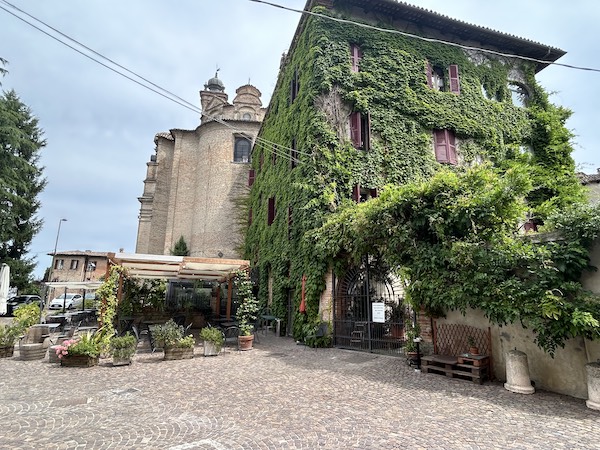
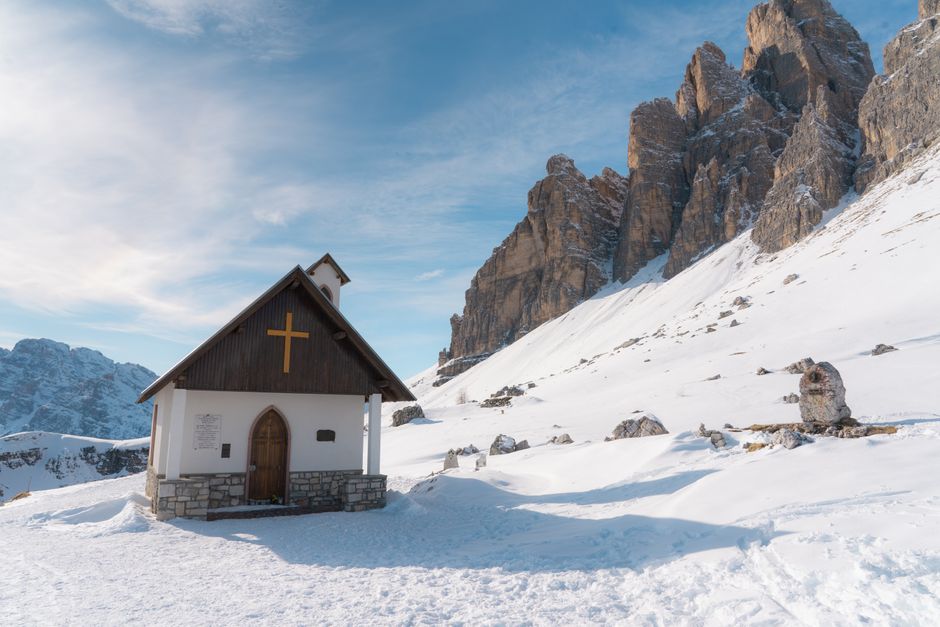
Winter in the Dolomites can be deeply rewarding even if you never clip into skis. Pale limestone peaks rise above forested valleys, village streets offer warm places to pause, and a clear afternoon can be spent simply watching the mountains change colour. The key is to plan around what you actually enjoy: gentle walking, scenery, food, culture or time to unwind. Choose a base with everyday life beyond the slopes, keep your plans flexible, and treat mountain weather as part of the trip.
Choose a base that works without skiing
For a non-skier, the location of your accommodation matters more than proximity to a ski run. Look for a village centre with places to eat, useful transport connections and walks you can reach without driving. A remote property may look wonderfully peaceful, but it can leave you dependent on transfers whenever you want to go out.
Val Gardena for village life and mountain scenery
Ortisei is a useful starting point if you want a walkable centre, shops and access to the surrounding mountains. Val Gardena also has a strong woodcarving tradition, giving you something to explore between outdoor outings. Other villages in the valley offer different settings, so compare the immediate surroundings of each property rather than choosing solely from photographs of the view.
Alta Badia for a slower village stay
Alta Badia suits a holiday built around mountain scenery, regional food and time in small villages. This is part of the Ladin cultural area, where language and local traditions add depth to a visit. Check how easily you can reach designated winter walks and whether your accommodation has comfortable shared spaces for afternoons when staying indoors feels right.
Cortina d’Ampezzo for a town atmosphere
Cortina offers a more substantial town setting, with a central pedestrian area and dramatic mountains around it. It can suit travellers who want to browse, linger over lunch and make selected scenic excursions. Attractions are spread across the surrounding area, however, so a central address does not automatically make every outing straightforward without a car.
Build your days around winter walking
You do not need an ambitious hike to enjoy the landscape. A maintained winter walking path through woodland or across an open meadow can provide the quiet and mountain views you came for. Start with routes officially designated for winter pedestrians, and ask the local tourist office which are open and suitable for the day’s conditions.
A summer footpath is not automatically a winter walking route. Snow can hide markings, ice can make gentle slopes difficult, and some paths cross terrain exposed to avalanches. A track in the snow is not proof that a route is safe. Stay on approved routes and turn back if the surface or visibility becomes uncomfortable.
Plan a modest outing first so you can judge your footwear, fitness and tolerance for the cold. Allow extra time for photographs and rests, and begin your return while there is plenty of daylight. If you want to explore beyond maintained paths, book an appropriately qualified local guide who can assess the terrain and conditions.
Use mountain lifts selectively
A cable car or gondola can make high mountain scenery accessible without a long climb. Before planning your day around one, confirm that it carries pedestrians in winter and that the upper station has somewhere suitable for you to go. Some arrivals lead directly into ski terrain, with limited space for a relaxed walk.
Ask about pedestrian tickets, the return journey and the final descent. Check whether any restaurant you intend to visit is reachable on foot from the station. Wind and poor visibility can affect operations, so make the decision close to the day rather than treating a lift excursion as a fixed appointment.
You can also enjoy a mountain outing without walking far at the top. A sheltered viewpoint and an unhurried lunch may be enough. Keep away from ski runs and designated operating areas, and never assume that walking downhill is a workable backup if you miss your return lift.
Try a winter activity that fits your confidence
Snowshoeing can be an appealing way to experience snowy woodland, but it requires more planning than simply hiring equipment. Choose an introductory guided outing if you are new to it. Tell the organiser about your walking experience and ask about terrain, effort, equipment and what happens if the weather changes.
Ice skating and sledging may also be available locally. Use managed facilities and designated runs, and check the conditions of participation before committing. Sledging involves steering and braking, and some descents are unsuitable for nervous beginners. Watching from a comfortable spot is an equally valid way to spend part of the afternoon.
Make food and culture part of the holiday
The Dolomites extend across communities with Italian, German-speaking and Ladin traditions. Food varies by valley, but you may encounter dumplings, polenta, soups, cured meats and apple-based desserts. Take time to explore local menus, and ask about ingredients if you have dietary requirements rather than assuming a familiar dish is prepared the same way everywhere.
Give yourself space for a village museum, a church visit or a look at local crafts. Check opening arrangements with the relevant official source before travelling specifically for an attraction. A spa afternoon can also work well between outdoor days; confirm whether facilities accept outside guests and whether reservations are required.
Plan transport around the valley
Travelling between neighbouring valleys can take more effort than a map suggests. Mountain roads follow the terrain, winter conditions can slow journeys, and bus connections may require changes. Staying in one base usually makes a short holiday more relaxing than moving repeatedly to collect famous viewpoints.
If you arrive by rail, check the onward bus or transfer to your chosen village before booking accommodation. Confirm how you will cover the final stretch with luggage. For local outings, check official transport information carefully: a service designed around skiing may not suit a late return from dinner or an afternoon museum visit.
If you drive, check current winter equipment requirements and road conditions with official sources. Do not assume a scenic pass will be the easiest route. Ask your accommodation about parking and vehicle access, especially if the property sits on a steep lane.
Pack for standing still as well as walking
Non-skiers often spend time waiting for transport or admiring views, so warmth matters even on gentle days. Bring layers you can adjust when moving between cold air and heated interiors.
- Waterproof footwear with a sole suited to winter surfaces.
- A warm outer layer and a waterproof, wind-resistant shell.
- Gloves, a hat, warm socks and a neck covering.
- Sunglasses and sun protection for bright, reflective snow.
- A small day bag with water, a snack and a charged phone.
Ask locally whether traction aids are appropriate for your intended walks and learn how to use them. Equipment cannot make unsuitable terrain safe. Remove outdoor traction devices before entering buildings, and carry an extra warm layer if your outing includes a lift ride.
Leave room for the weather
Build a flexible rhythm: a scenic outing on a clear day, a village walk when conditions are settled, and an indoor option when visibility deteriorates. Check the official local forecast, route notices and lift information each morning. Having one main activity per day leaves room to change direction without feeling that the holiday has gone wrong.
The most satisfying winter stay does not need a packed activity list. Choose a welcoming base, learn its nearby walks and let a few good mountain days anchor the visit. With warm clothes and realistic plans, you can enjoy the Dolomites at a pace that has very little to do with skiing.