Thinking about roadtrips in Wales? It’s a smart move. This country packs an incredible amount of diverse scenery into a relatively small area, from rugged mountains to dramatic coastlines. But with so many options, how do you decide the best way to explore it? The choice of vehicle, what to pack, and even which region to focus on can drastically change your experience. Let’s break down the key considerations to ensure your Welsh adventure is exactly what you envision.
Choosing Your Wales Roadtrip Style: Car, Campervan, or Motorcycle?
The first decision often revolves around your mode of transport. Each offers distinct advantages and disadvantages, impacting everything from flexibility to comfort and cost. There’s no single best answer, but there’s definitely a best fit for your specific trip.
| Vehicle Type | Pros | Cons | Typical Rental Cost (per day, 2026 estimate) |
|---|---|---|---|
| Standard Car | Easy to drive, widely available, good fuel economy, easy parking in towns. | Requires booking accommodation nightly, less spontaneous camping options. | £40-£70 |
| Small Campervan (e.g., VW California) | Combines transport & accommodation, greater flexibility for stops, cooking facilities. | Higher rental cost, challenging on narrow roads, limited parking in some areas, higher fuel consumption. | £120-£200 |
| Motorcycle | Unparalleled connection to the landscape, access to smaller roads, thrilling experience. | Weather dependent, limited luggage space, less comfortable for long distances, higher risk. | £80-£150 |
As the table highlights, the vehicle choice fundamentally shapes your trip. A car offers maximum flexibility for accommodation types and ease of navigation on varied roads. Campervans provide a unique sense of freedom but come with higher initial costs and potential parking headaches. Motorcycles, while exhilarating, demand a certain resilience to the elements and a minimalist packing style.
Car Rentals: Costs and Convenience
Renting a standard car, like a Ford Focus or Vauxhall Corsa, remains the most popular choice for roadtrips in Wales. Companies such as Enterprise, Hertz, and Avis operate throughout the UK, including major Welsh cities like Cardiff and Swansea. Expect to pay between £40 and £70 per day for a compact to mid-size vehicle, with prices fluctuating based on demand and booking lead time. These vehicles are easy to maneuver on Wales’ often-narrow roads, parking is generally straightforward in most towns and attractions (though paid), and fuel efficiency is reasonable. This option works best if you plan to stay in B&Bs, hotels, or self-catering cottages each night, allowing you to cover significant ground during the day without worrying about setting up camp.
Campervan Hire: Freedom vs. Facilities
The allure of a campervan is undeniable. Imagine waking up to a different view each morning, with your coffee brewing steps from your bed. Companies like Indie Campers or smaller local Welsh outfits offer a range of vans, from compact VW Californias to larger panel van conversions. While the daily rental cost is significantly higher, often between £120 and £200, this includes your accommodation. You’ll need to factor in higher fuel costs, as campervans are heavier and less aerodynamic than cars. Additionally, while Wales has beautiful wild camping spots, these are often on private land or restricted. Designated campsites, costing £20-£40 per night for a pitch with hook-ups, are usually the more reliable option. Be prepared for trickier driving on very narrow roads, and always check parking restrictions before committing to a town visit.
Motorcycle Touring: The Open Road Experience
For some, there’s nothing quite like feeling the wind and truly experiencing the landscape unfiltered. Wales boasts some fantastic riding roads, particularly in Snowdonia and the Brecon Beacons, with sweeping bends and dramatic vistas. Motorcycle rental options exist, though they are less common than car or campervan hire, with daily rates typically ranging from £80 to £150 for a mid-range touring bike. The downsides include susceptibility to Wales’ notoriously unpredictable weather, limited luggage capacity, and potentially lower comfort on very long stretches. However, for sheer exhilaration and access to the most scenic, winding routes, a motorcycle can be an unbeatable choice.
Essential Gear for Welsh Weather: Don’t Get Caught Out
Welsh weather is famously unpredictable. You can experience all four seasons in a single day, regardless of the month. Packing properly isn’t just about comfort; it’s about safety, especially if your roadtrip includes hiking or exploring remote areas. Don’t rely on sunny forecasts.
- Waterproofs: This is non-negotiable. A reliable waterproof jacket (e.g., a Rab Downpour Plus 2.0, typically around £100-£120) and waterproof trousers are essential. Look for materials with good breathability to avoid getting sweaty inside.
- Layering System: Bring a base layer (merino wool or synthetic for wicking moisture), a mid-layer (a fleece like the Patagonia Better Sweater, around £130, for insulation), and your waterproof outer shell. This allows you to adjust to rapidly changing temperatures.
- Footwear: Waterproof hiking boots (e.g., Merrell Moab 3 Mid GTX, approximately £130) are crucial if you plan to walk. Bring comfortable shoes for driving and town exploration too. Wet feet are miserable.
- Navigation: While your phone is useful, signal in rural Wales is patchy. Invest in offline map downloads (e.g., OS Maps app, subscription £29/year, or Gaia GPS) and carry a physical map (OS Explorer maps, about £9 each) and compass.
- Power Bank: A high-capacity power bank (e.g., Anker PowerCore 20000, around £40) is vital for charging phones, GPS devices, and headlamps, especially if you’re camping or in remote areas.
- First-Aid Kit: A basic kit with blister plasters, pain relievers, antiseptic wipes, and bandages is a must.
- Reusable Water Bottle & Hot Flask: Stay hydrated and save money on bottled water. A flask keeps tea or coffee warm on chilly mornings.
- Torch/Headlamp: Essential for campsites, walking at dusk, or dealing with car trouble in the dark.
- Swimwear: Brave the cold and enjoy a dip in a wild swimming spot or a coastal beach, even if only for a quick splash.
Layering Systems That Work
The principle of layering is simple: multiple thin layers trap air, providing better insulation than one thick layer, and allow for easy adjustment. Your base layer should wick sweat away from your skin. The mid-layer provides warmth. The outer layer (your waterproofs) protects against wind and rain. Avoid cotton for base and mid-layers, as it absorbs moisture and stays wet, chilling you quickly.
Navigation Tools Beyond Your Phone
Relying solely on your smartphone for navigation in Wales is a common error. Many scenic routes, particularly in national parks like Snowdonia or the Brecon Beacons, have limited or no mobile signal. A dedicated GPS device, such as a Garmin inReach Mini 2 (around £380, plus satellite subscription for emergency messaging), offers reliability and enhanced safety in remote areas. Coupled with physical Ordnance Survey (OS) maps, which provide incredibly detailed topographical information, you’ll be well-prepared for any path, planned or unplanned.
Campsite Comforts
If your roadtrip involves camping, don’t skimp on comfort items. A warm sleeping bag, ideally with a comfort rating down to 0°C even for summer nights, is crucial. An inflatable sleeping mat (like the Therm-a-Rest NeoAir XLite, about £180) makes a huge difference to warmth and comfort compared to a basic foam mat. A small, reliable camping stove (such as an MSR PocketRocket 2, £45) allows for hot meals and drinks, saving money on eating out and offering flexibility.
The North Wales Coast vs. The Brecon Beacons: Which Adventure Suits You?
Wales effectively splits into several distinct geographic regions, but for roadtrippers, the contrast between the rugged north and the gentler south-east often comes into sharp focus. Each offers a profoundly different experience, catering to varying preferences for scenery, activity, and atmosphere.
North Wales, dominated by Snowdonia National Park, is a land of dramatic peaks, deep valleys, and a wild, windswept coastline. This region appeals strongly to those seeking active adventures. Here, you’ll find Mount Snowdon, the highest peak in Wales, alongside other formidable mountains like the Glyderau and Carneddau ranges. Driving through passes like Llanberis Pass or Nant Gwynant offers breathtaking vistas, with opportunities for serious hiking, rock climbing, and mountain biking. The coastline features historic castles like Conwy and Caernarfon, clinging to estuaries and guarding ancient trading routes. Expect more challenging, winding roads, steeper climbs, and a landscape that feels inherently grander and more untamed. The sense of scale here is immense. It’s a place where weather can change dramatically, and the mountains demand respect. This region is also home to adventure sports operators offering zip-lining (Zip World) and underground trampolining. If your ideal day involves a challenging hike followed by a hearty pub meal, North Wales delivers.
In contrast, the Brecon Beacons National Park in South-East Wales presents a landscape of rolling hills, sweeping moorland, and picturesque river valleys. While it still offers peaks like Pen y Fan, they are generally less dramatic and more accessible for a wider range of hikers. The highlight for many is “Waterfall Country” near Ystradfellte, where numerous trails lead to stunning cascades, allowing you to walk behind some of them. The Beacons are also an International Dark Sky Reserve, making them an incredible spot for stargazing on clear nights. The roads here tend to be less challenging than in Snowdonia, with more open stretches and fewer hairpin bends, making for a relaxed driving experience. The towns are charming, with a focus on local produce and a slower pace of life. If you prefer tranquil walks, scenic drives with fewer white-knuckle moments, and a focus on natural beauty rather than adrenaline sports, the Brecon Beacons are likely your perfect match.
Dramatic Peaks and Passes
Snowdonia’s topography is defined by its ancient volcanic activity and glacial carving. Driving the A4086 through Llanberis Pass offers views of craggy peaks, including Crib Goch and Snowdon itself, that are genuinely awe-inspiring. For hikers, routes like the Miner’s Track or Pyg Track on Snowdon present challenging but incredibly rewarding ascents. The villages nestled in these valleys, such as Betws-y-Coed, serve as excellent bases for exploration, though they can be busy during peak season.
Coastal Drives and Hidden Coves
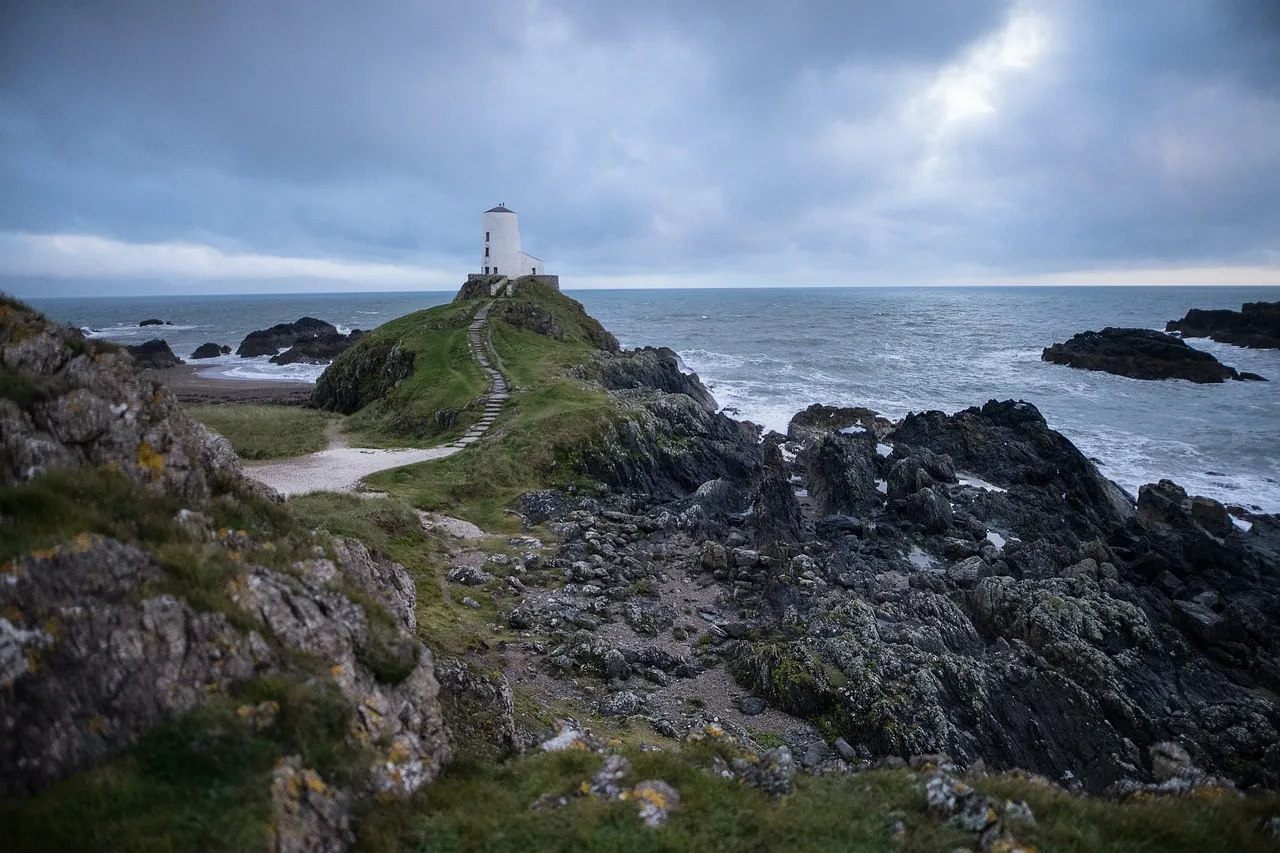
While Snowdonia has its mountains, the coastline of North Wales, especially the Llyn Peninsula, should not be overlooked. The scenic A499 skirts the coast, revealing hidden coves and golden beaches like Whistling Sands (Porth Neigwl). The contrast between the dramatic inland peaks and the tranquil, often deserted beaches provides a diverse roadtrip experience within a single region. Historic sites like Harlech Castle also dot this coastline, offering cultural stops amidst the natural beauty.
Balancing Scenery with Accessibility
When planning, consider the accessibility of each region. Snowdonia’s popularity means its main hubs and trailheads can get crowded, especially parking at places like Pen-y-Pass, which often requires pre-booking. The roads, while stunning, can be narrow and slow. The Brecon Beacons, while popular, often feel more spread out, and parking is generally easier. If you prioritize ease of navigation and a slightly less ‘adventurous’ drive, the Beacons might be a better fit. If you crave epic views and don’t mind navigating twisty roads and potential crowds, Snowdonia is your destination.
Common Roadtrip Mistakes and How to Avoid Them
The biggest mistake Welsh roadtrippers make is underestimating the roads and overestimating their daily mileage. Wales is not like driving across the American plains or a German autobahn. Its charm lies in its winding, narrow, and often single-track roads. Trying to cram too much into one day will only lead to stress and missed opportunities.
Many first-time visitors look at Google Maps and assume a 100-mile journey will take two hours. In Wales, especially in national parks, that 100 miles can easily take three or even four hours, particularly if you encounter tractors, sheep, or simply want to stop for a photo. The roads are often steep, visibility can be limited on blind bends, and passing places are sometimes scarce. Embrace the slower pace.
Underestimating Welsh Roads
Welsh roads demand patience and focus. Expect to encounter livestock on roads, particularly in rural Snowdonia and the Brecon Beacons. Many charming backroads are barely wider than a single car and require reversing into passing places when faced with oncoming traffic. Areas like the A4069 Black Mountain Pass in the Brecon Beacons, while famous for its views, features challenging hairpin bends. Always drive at a speed that allows you to react to unexpected obstacles, and don’t be afraid to pull over and let local traffic pass if you’re feeling rushed. Google Maps estimated times are often best-case scenarios; add 20-30% to account for actual driving conditions and spontaneous stops.
Overpacking Your Schedule
It’s tempting to try and see everything. “Cardiff in the morning, Snowdon hike in the afternoon, Pembrokeshire by evening!” This is a recipe for exhaustion and disappointment. Instead, focus on a maximum of two major activities or sights per day. Allow buffer time for getting lost, enjoying a longer lunch, or simply soaking in a view that catches your eye. Wales is best experienced by slowing down. For instance, dedicate a full day to exploring one specific area of Snowdonia, or a whole day to driving a section of the Pembrokeshire Coast Path, allowing for stops at beaches and villages.
Ignoring Local Cuisine
Another common mistake is sticking to familiar chain restaurants. Wales has a fantastic, unpretentious food scene that’s worth exploring. Avoid the motorway services and seek out local pubs for hearty Welsh fare, independent cafes for excellent coffee and bara brith (traditional fruit loaf), and farm shops for local cheeses, meats, and fresh produce. Try traditional Welsh rarebit (a savoury cheese toast), cawl (a lamb and vegetable broth), or freshly caught seafood along the coast. It’s an integral part of the cultural experience and often far more delicious and memorable than generic fast food.
Budgeting Your Welsh Adventure: Realistic Costs for 2026
Planning a roadtrip involves more than just mapping out a route; it means understanding the financial outlay. Wales offers options for various budgets, but having a realistic idea of costs helps avoid unwelcome surprises. Here’s a breakdown for 2026.
How much does fuel cost for a week?
Fuel will likely be one of your largest variable expenses. For a standard petrol car (e.g., a Ford Fiesta or similar compact) covering approximately 800-1000 miles over a week of active exploration, expect to spend between £100 and £150 on fuel. This assumes an average fuel price of around £1.60 per litre, though prices are volatile and can fluctuate. Diesel vehicles might offer slightly better mileage but often have a marginally higher per-litre cost. Campervans will consume significantly more fuel, potentially doubling this estimate depending on their size and your mileage.
What’s the average price for campsites or B&Bs?
Accommodation costs vary widely based on your preference:
- Campsite (tent pitch, 2 people): Expect to pay £20-£40 per night for a pitch, often including basic facilities like showers and toilets. Popular sites in national parks (Snowdonia, Pembrokeshire Coast) can command higher prices and often require booking well in advance, especially during peak season (June-August).
- B&B/Guesthouse: For a comfortable double room including breakfast, budget £70-£120 per night. These are plentiful in Welsh towns and villages, offering a personal touch.
- Budget Hotel (e.g., Travelodge, Premier Inn): If you prefer predictability, these chain hotels typically charge £50-£90 per night for a room. They are usually located on the outskirts of towns or near major roads, offering a consistent standard but less local character.
Are national park fees a major expense?
No, direct entry to Wales’ National Parks (Snowdonia, Brecon Beacons, Pembrokeshire Coast) is free. You are paying for access to the preserved landscapes, not a gate fee. However, you will incur costs for specific activities, attractions, or amenities within the parks:
- Parking: This is the primary “fee” you’ll encounter. Expect to pay £5-£10 for a full day at most popular car parks, especially at trailheads or beauty spots. Very popular locations, such as Pen-y-Pass for Snowdon, may require pre-booked parking at a higher cost (e.g., £18-£20 for a full day slot).
- Attractions: Specific sites like castles (e.g., Conwy Castle, £12.50 per adult), Zip World activities (from £40-£80+), or boat trips will have their own charges.
- Permits: For specific activities like wild camping (where permitted), you might need a permit, though these are rare for general roadtrippers.
Overall, a moderate budget for a week-long Welsh roadtrip (excluding vehicle rental) could range from £400 (camping, self-catering) to £1000+ (B&Bs, eating out frequently) for two people.
The Most Underrated Stretch: Pembrokeshire’s Coastal Path Drive
Forget the crowds of Snowdonia for a moment. For sheer dramatic beauty and varied coastal scenery, the drive along Pembrokeshire’s coast, especially the sections from St Davids down to Marloes, offers an unparalleled experience. It’s slower, often single track, but rewards patience with incredible views, hidden beaches, and charming harbour villages. Prioritize this if you value unspoiled nature, spectacular sea cliffs, and the chance to spot seals and puffins over mountain peaks.