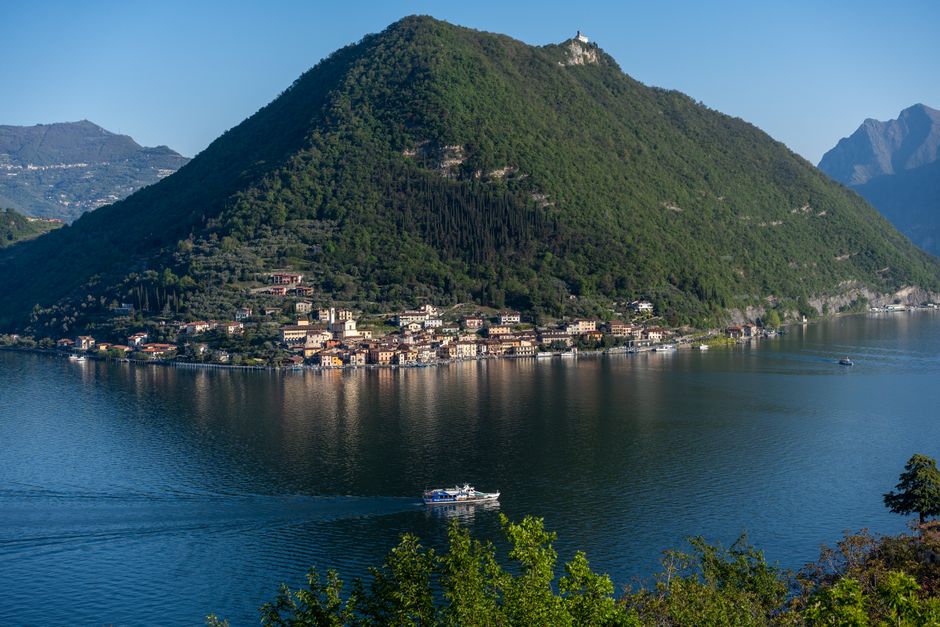
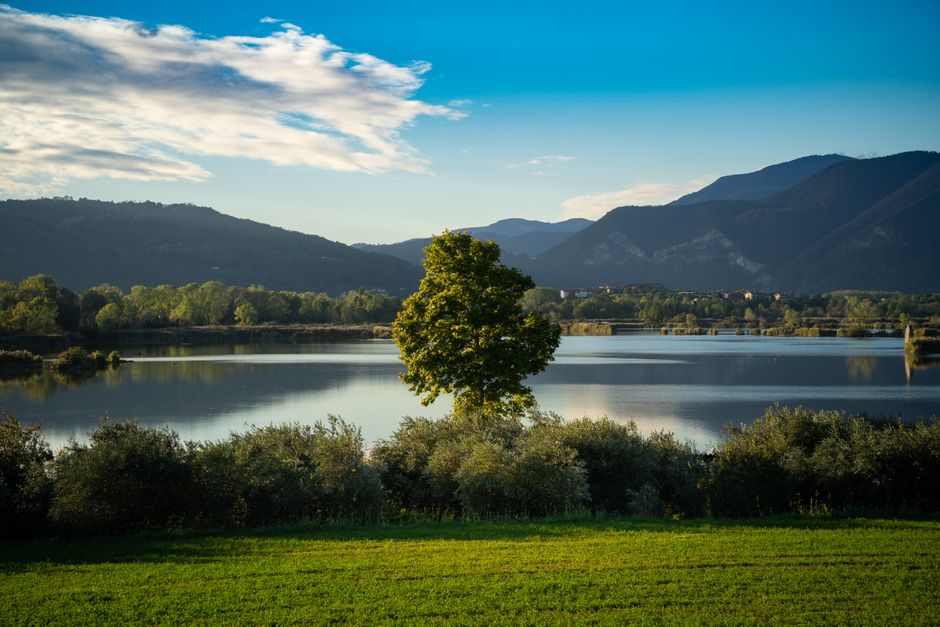
Lake Trasimeno brings a different rhythm to a trip through Umbria. Broad water, reed beds and cultivated hills set the scene, while compact towns give you places to wander between long lunches and lakeside walks. The most rewarding visit combines a little time on the shore with a village above it, leaving room for an island crossing if conditions allow. You do not need to circle the entire lake to appreciate it; choosing a manageable stretch usually makes for a better day.
Choose the kind of lake visit you want
Before picking accommodation or plotting stops, decide whether you want easy waterfront strolling, historic streets, or time outdoors. Trasimeno can accommodate all three, but they are not always in the same place. A hilltop address may have lovely views yet require a drive for an evening beside the water. A lakeside base makes spontaneous walks simpler but may offer less of the enclosed medieval atmosphere found uphill.
A day trip works well for one town and one additional activity. With two or three nights, you can spread your visit across different shores and keep a flexible day for a ferry excursion. Avoid treating the lake as a checklist of villages: repeated parking, unpacking and transfers can consume the relaxed hours you came here to enjoy.
Find a base that suits your transport
Passignano sul Trasimeno
Passignano combines a waterfront with an older settlement rising behind it. It suits travelers who want to step out for a promenade and then explore narrower streets above the shore. The climb adds variety, although uneven surfaces and gradients deserve consideration if you have limited mobility or are traveling with a pushchair. Check the precise location of your accommodation rather than relying on the town name alone.
Castiglione del Lago
Castiglione del Lago offers a historic center on a promontory, with lake views and a fortress that gives the town a strong visual focus. It is a good choice if wandering old streets is as important to you as being near water. Think of the historic center and the waterfront as separate parts of your day, allowing for the walk between them. Drivers should confirm parking arrangements before arriving.
San Feliciano and the surrounding countryside
San Feliciano is worth considering when your plans lean toward the eastern shore and an excursion to Isola Polvese. Rural accommodation around the lake can provide space and quiet, especially for a longer stay. However, a beautiful countryside setting can also mean driving for meals and groceries. Ask about access roads, nearby services and how you will return after dinner before committing.
Getting there and moving around
Rail can work for a stay focused on a station town such as Passignano, provided your accommodation is within a comfortable walk. When considering Castiglione del Lago, check the station location against your actual destination: arriving by train does not necessarily put you beside the historic center. Use official rail information to verify connections and allow yourself a straightforward final leg with luggage.
A car gives you more freedom to combine waterfront villages, country accommodation and hill towns. It does not make every stop effortless. Historic centers may have restricted vehicle access, and a map can underestimate the inconvenience of slopes or distant parking. Follow local signs and use designated parking outside restricted streets. For a visit without a car, establish your return transport before setting off on a side trip.
Plan an island trip with room to spare
Trasimeno has three islands, but visitor planning centers on Isola Maggiore and Isola Polvese. Isola Minore is private and should not be treated as another sightseeing stop. The two visitable islands offer different experiences: Maggiore has an inhabited fishing village, while Polvese lends itself to walking and appreciating the lake’s natural setting. Choose the island that best fits your interests rather than trying to fit both into one day.
Consult Busitalia’s official navigation information for current departure points, seasonal services and any disruption notices. Do this before organizing the rest of the day, since routes and operating conditions can affect your options. Confirm the return crossing before boarding, and leave a generous margin between the ferry and any onward train or other fixed commitment.
Wear shoes suitable for paths as well as village streets. Bring drinking water, sun protection and a layer for breezy conditions on the crossing. Do not assume that every facility or attraction will be available when you arrive. If you need step-free access, ask specifically about boarding arrangements and the paths you intend to use.
Enjoy the shoreline on its own terms
Trasimeno is a shallow lake with reeds, wetlands and changing shore conditions. Its appeal includes birds, open skies and the contrast between water and farmland. Approach it with those qualities in mind rather than expecting a continuous strip of swimming beaches. Some stretches suit a gentle stroll; others are better appreciated from a viewpoint or a designated nature path.
If swimming matters to your trip, identify an authorized bathing area and check current local water-quality information and signs. Conditions can vary, so the appearance of a convenient shore is not enough to establish suitability. Families should also check the entry surface, available shade and supervision arrangements. Keep children close near harbors and landing stages, where boats and slippery edges require attention.
For walking or cycling, choose a mapped section that matches your ability and the weather. Do not assume that every route around the lake stays flat, follows the water or avoids traffic. Ask the local tourist office about surfaces, diversions and suitable starting points. A shorter outing with time to stop is often more enjoyable than an ambitious circuit undertaken in heat.
Add one hill town and a leisurely meal
Panicale makes a natural contrast to the waterfront, bringing stone streets and an elevated perspective on the surrounding countryside. Pair it with a shore-based morning if you have reliable transport. Keep your plans modest: one hill town provides a change of scene without turning the afternoon into a sequence of drives. Allow time simply to sit and enjoy the setting.
Meals are another way to connect with the area. Look for lake fish where available, alongside Umbrian olive oil, pulses and seasonal vegetables. Ask what is local and how a dish is prepared rather than expecting every menu to feature the same specialties. If you have dietary requirements, explain them clearly before ordering. Carry a snack on excursion days so that a delayed return does not dictate your entire afternoon.
Build a flexible two-day visit
- First day: Explore your base town, spend time along the waterfront and leave the afternoon for a gentle walk or a visit to Panicale if transport is straightforward.
- Second day: Make an island excursion if services and weather suit. Otherwise, explore a different shore town and choose a sheltered break when needed.
- Before leaving: Recheck your onward journey and allow time to collect luggage without rushing back from an activity.
Spring and autumn can suit walking, while summer calls for more shade breaks and an unhurried schedule. In quieter periods, verify accommodation services, transport and attraction access directly with official sources. Whatever the season, give yourself one unscheduled stretch beside the lake. Watching the light shift over the water is part of visiting Trasimeno, and it needs no elaborate itinerary.