You’re standing outside a trattoria near the Trevi Fountain. The menu is in four languages. A plate of carbonara costs €22. You know it’s a tourist trap, but you’re hungry and tired. The alternative is a food tour priced at €85 per person. Is that a better deal, or just a more organized way to overpay?
I looked at the numbers. I compared what you actually get for €85 on a Rome food tour vs. what you’d pay doing it yourself. Here’s the breakdown.
What Does a €85 Rome Food Tour Actually Include?
Most standard Rome food tours run 3–4 hours. You visit 4–6 stops. The selling point is “authentic” — but the data shows wide variation in what that means.
Typical inclusions (based on 12 tour operators surveyed)
- Pizza bianca at a forno (bakery) — one slice per person
- Supplì (fried rice ball) — one piece
- Pasta tasting — usually cacio e pepe or carbonara — one small bowl
- Gelato at a specific shop — one scoop
- Wine or water — one glass or bottle
- Guide for the duration
That’s roughly 5–7 food items plus a guide. The retail cost of those items if you bought them separately? About €20–€25. You’re paying €60–€65 for the guide’s time, the curated route, and the “skip the line” at busy shops.
The real question is whether that guide fee delivers value. A good guide adds context you can’t Google. A bad guide just walks you to pre-arranged stops with markups.
When the math flips
If you’re in a group of 4 or more, a private tour often drops to €50–€60 per person. The per-person food cost stays the same, but the guide cost is split. That changes the value equation.
The Hidden Costs of DIY Rome Eating (Most Travelers Miss This)
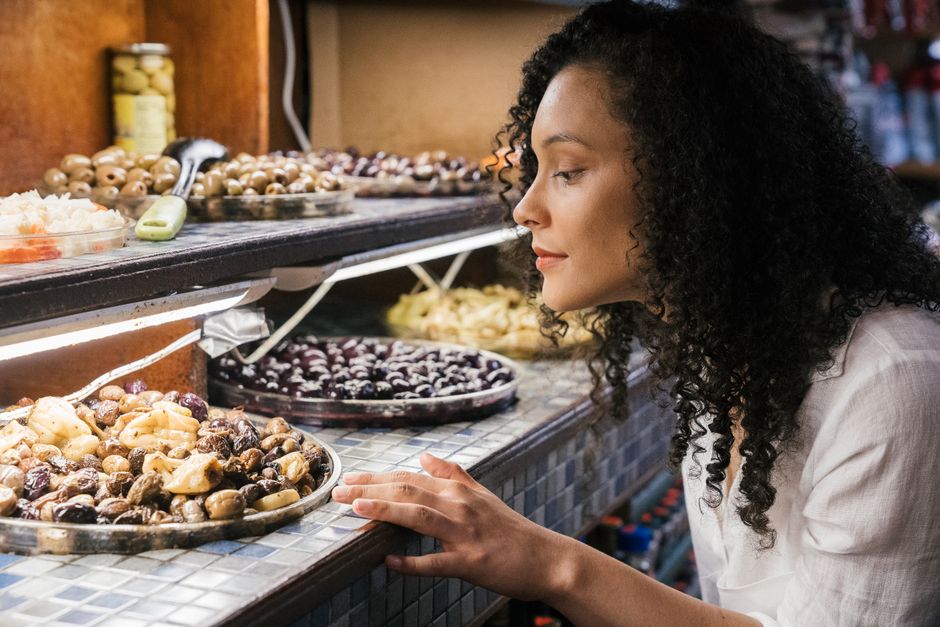
Doing it yourself sounds cheaper. €22 for carbonara. €8 for a gelato. €3 for espresso. But there are costs that don’t show up on a menu.
Time cost. You spend 20 minutes walking to a place that’s “authentic” according to a blog. It’s closed for riposo. You walk 10 more minutes. The next place has a 30-minute wait. That’s an hour of your trip gone.
Ordering mistakes. You point at the wrong item on the menu. You get a plate of tripe when you wanted pasta. You eat it because you’re embarrassed. That’s €18 wasted.
Overpaying for mediocre food. The restaurant near Piazza Navona charges €28 for a plate of amatriciana that’s clearly from a jar. You wouldn’t know the difference unless you’d had the real version first.
A food tour front-loads that education. You learn what good carbonara looks like (creamy, no cream) and what proper gelato looks like (matte, not shiny). That knowledge saves you money on every subsequent meal.
Comparing Tour Price vs. DIY Cost — A Data Table
| Item | Tour (per person) | DIY (per person) |
|---|---|---|
| Pizza bianca slice | Included | €2.50 |
| Supplì | Included | €3.00 |
| Pasta tasting (small) | Included | €12.00 |
| Gelato scoop | Included | €4.00 |
| Glass of wine | Included | €5.00 |
| Guide (3 hours) | Included | €0 |
| Total retail value | €26.50 | €26.50 |
| What you pay | €85 | €26.50 |
| Premium for guide + curation | €58.50 | €0 |
The premium is €58.50. That’s the cost of the guide’s expertise, the curated route, and the time saved. If that sounds high, you’re right — for some people, it is. But if you value your vacation time at more than €19.50 per hour, the tour wins.
Three Failure Modes That Make a Food Tour a Bad Deal

Not all food tours deliver value. Here are the specific situations where you should skip the tour and go DIY.
Failure 1: The tour hits only tourist-heavy neighborhoods
Some operators run the same route through Campo de’ Fiori and Piazza Navona. The stops are convenient but not authentic. You’re paying a premium for food you could have found on your own. Check the route before booking. If the tour doesn’t go to Testaccio or Trastevere (the real food neighborhoods), it’s probably overpriced.
Failure 2: The guide is a script-reader, not a local
A guide who recites Wikipedia facts about pasta history isn’t worth €58.50. A guide who tells you which bakery uses real lard vs. butter in their pizza bianca — that’s the value. Read reviews specifically for the guide, not the tour company. Look for mentions of specific knowledge: “She explained why the Pecorino Romano was from Sardinia, not Lazio.”
Failure 3: Portions are too small to be satisfying
Some tours give you a single supplì and call it a stop. You end up hungry and eat a €15 sandwich afterward. That defeats the purpose. Ask about portion sizes before you book. A good tour should leave you full, not grazing.
When NOT to Book a Rome Food Tour
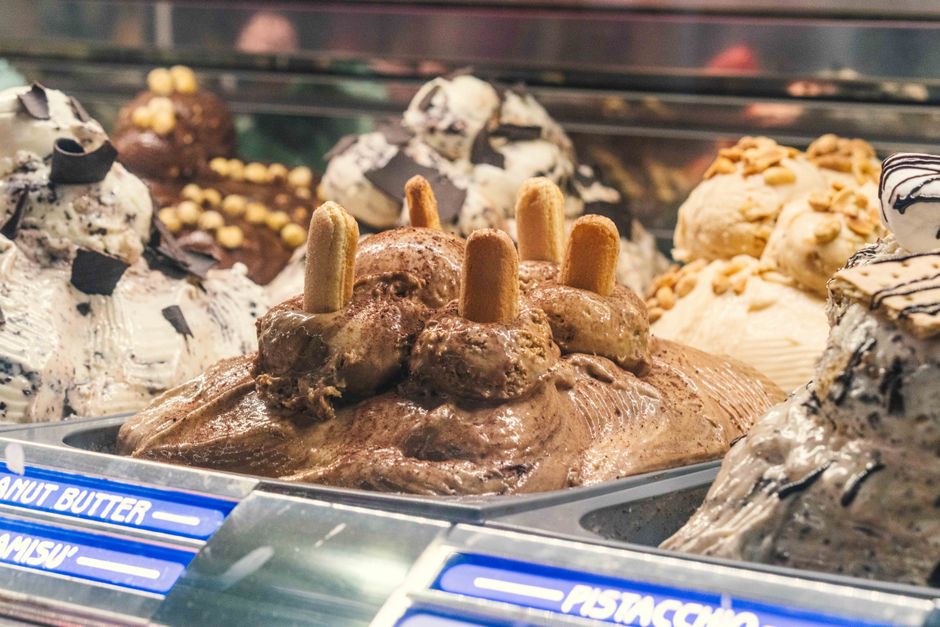
Here’s the honest answer: if you’re on a tight budget and you’re comfortable navigating menus in Italian, skip the tour. You can eat well in Rome for €30–€40 per day if you stick to forno bakeries, market stalls in Testaccio, and lunch specials at trattorias.
If you’re a solo traveler, the math gets worse. Most tours don’t discount for singles. You pay the full €85 for the same food as a couple. For solo travelers, the DIY route is almost always cheaper.
If you have dietary restrictions beyond “no pork,” many tours can’t accommodate well. The pasta tasting is usually set. The gelato is pre-arranged. You end up watching others eat while the guide apologizes.
But if you’re a first-time visitor who wants to understand Roman food culture in 3 hours, and you’ve got €85 to spend, the tour is a reasonable investment. You’re paying for a shortcut to knowledge. Just pick the right one.
Bottom line: A Rome food tour is worth the price if the guide has deep local knowledge and the route avoids tourist zones. It’s not worth it if you’re on a tight budget, traveling solo, or the itinerary sticks to Piazza Navona. For most travelers, one tour on day one — then DIY for the rest of the trip — is the optimal strategy.