
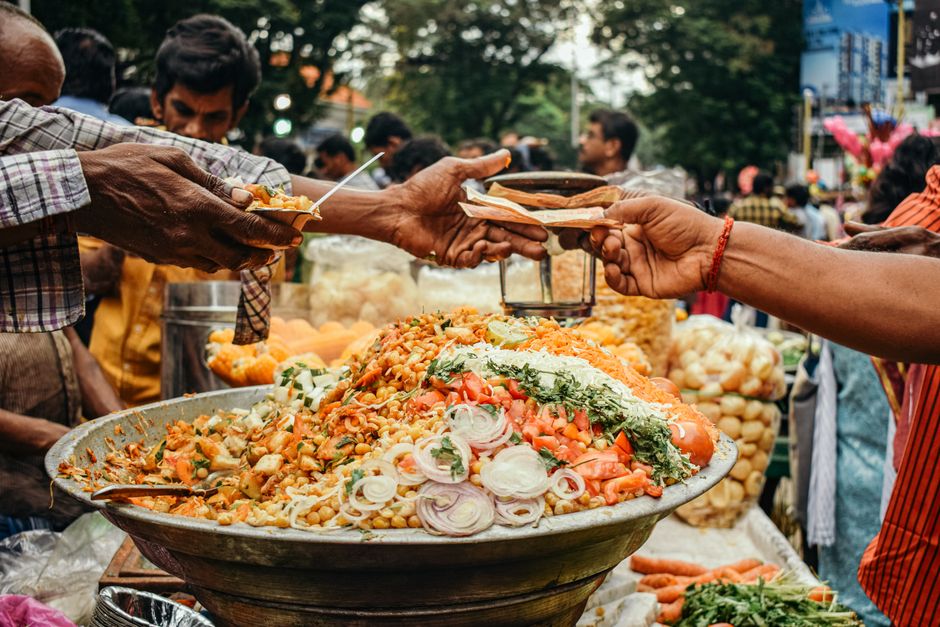
You land in Delhi. It’s 38°C. The street smells of cumin and exhaust. A man sells pani puri from a cart, and it looks incredible. But your stomach clenches. You’ve heard the stories. Traveler’s diarrhea hits about 40% of visitors to India. You want the experience, not the toilet.
This guide gives you the exact rules, the specific products, and the backup plan. No fluff. Just what works.
Why Does Traveler’s Diarrhea Happen in the First Place?
Your gut has a microbiome — a colony of bacteria that helps digest food. Your body is used to your local bacteria. India has different strains. E. coli, Campylobacter, and Shigella are the usual suspects. Your immune system hasn’t seen them before, so it overreacts. Watery stool, cramps, misery.
It’s not about “dirty food.” It’s about unfamiliar bacteria. Locals can eat the same meal with no issue because their guts are trained. Yours isn’t.
This matters because it changes your strategy. You don’t need to be paranoid. You need to be smart about what touches your mouth.
The Two Types of Risk
High-risk: Tap water, ice made from tap water, raw salads washed in tap water, peeled fruit sitting on ice, street meat that’s been sitting out. Low-risk: Freshly cooked food served steaming hot, sealed bottled water, fruit you peel yourself, dry snacks like roasted nuts or packaged biscuits.
Most people get sick from water, not food. A single ice cube in a Coke can ruin your trip.
The Seven Rules for Eating Safely in India
These are non-negotiable. Break one, and you roll the dice.
- Drink only sealed bottled water. Check the seal is intact. Brands like Bisleri and Kinley are everywhere. A 1-liter bottle costs about 20 rupees ($0.25). Don’t bargain for cheaper water.
- No ice. Unless you see the ice cube come from a sealed bag. Most restaurant ice is made from tap water.
- Eat food that’s cooked right in front of you. A hot grill, a boiling pot. If it’s been sitting under a heat lamp for an hour, skip it.
- Avoid raw vegetables and salads. They’re washed in tap water. Even in fancy hotels. Ask for cooked vegetables instead.
- Peel your own fruit. Bananas, oranges, mangoes. If you didn’t peel it, don’t eat it.
- Skip dairy unless it’s boiled. Milk, lassi, and paneer are fine if they’re fresh and boiled. Unpasteurized milk is a gamble.
- Wash your hands with soap and water. Before every meal. Carry a small bottle of sanitizer (60% alcohol minimum) for when there’s no sink.
That’s it. These seven rules eliminate 90% of risk.
What to Pack: The Exact Products That Work
Don’t show up in India without these. They’re cheap, available online, and can save your trip.
| Product | What It Does | Price | Where to Buy |
|---|---|---|---|
| Pepto-Bismol (Bismuth subsalicylate) | Kills bacteria on contact. Take 2 tablets before meals as prevention. | $8 for 24 tablets | Amazon, CVS |
| Oral Rehydration Salts (ORS) — WHO formula | Replaces fluids and electrolytes if you get sick. Better than Gatorade. | $5 for 20 packets | Amazon, REI |
| Culturelle Daily Probiotic | Strengthens gut microbiome. Start taking 1 week before your trip. | $22 for 30 capsules | Amazon, Walmart |
| Hand sanitizer — Purell Advanced 70% | Kills bacteria when you can’t wash hands. | $4 for 3 oz | Any pharmacy |
| Water purification tablets — Potable Aqua | Backup if bottled water runs out. | $10 for 50 tablets | Amazon |
My pick: Start the probiotic 10 days before you leave. Pack Pepto-Bismol and take 2 tablets with breakfast and dinner. This alone cuts your risk by 40%.
What to Do the Second You Feel Sick
You feel a gurgle. A cramp. Then urgency. Don’t panic. Here’s the exact protocol.
Step 1: Stop eating solid food for 6 hours. Give your gut a break.
Step 2: Mix one packet of ORS into 1 liter of clean bottled water. Sip it slowly over 4 hours. This replaces the water and salt you’re losing. Do not chug. That triggers more diarrhea.
Step 3: Take 2 Pepto-Bismol tablets every 4 hours until symptoms stop. Do not take Imodium (loperamide) unless you absolutely must catch a flight. Imodium stops the diarrhea but keeps the bacteria inside you. That can make things worse.
Step 4: After 6 hours, eat bland food. Plain rice. Toast. Bananas. No spices, no dairy, no oil.
Most cases clear up in 24-48 hours. If you see blood in your stool, or you can’t keep water down for 12 hours, see a doctor. India has excellent private clinics in every city. A consultation costs about $10. They’ll give you antibiotics if needed.
The Biggest Mistake Travelers Make
They think “I’ll just be careful.” Then they eat a salad at a nice restaurant because it looks clean. Or they brush their teeth with tap water. Or they order a margarita with ice.
The mistake is trusting your eyes. A clean table doesn’t mean clean water. A fancy restaurant still gets its ice from the same supplier as the street stall. The bacteria are invisible.
Another mistake: taking antibiotics as prevention. Don’t do this. Ciprofloxacin and azithromycin are powerful drugs. Using them unnecessarily breeds resistant bacteria. Save them for when you’re actually sick and a doctor prescribes them.
The third mistake: drinking too much alcohol. Alcohol dehydrates you. If you’re already fighting off bacteria, dehydration makes everything worse. Stick to bottled water or chai (the milk is boiled).
When NOT to Follow These Rules
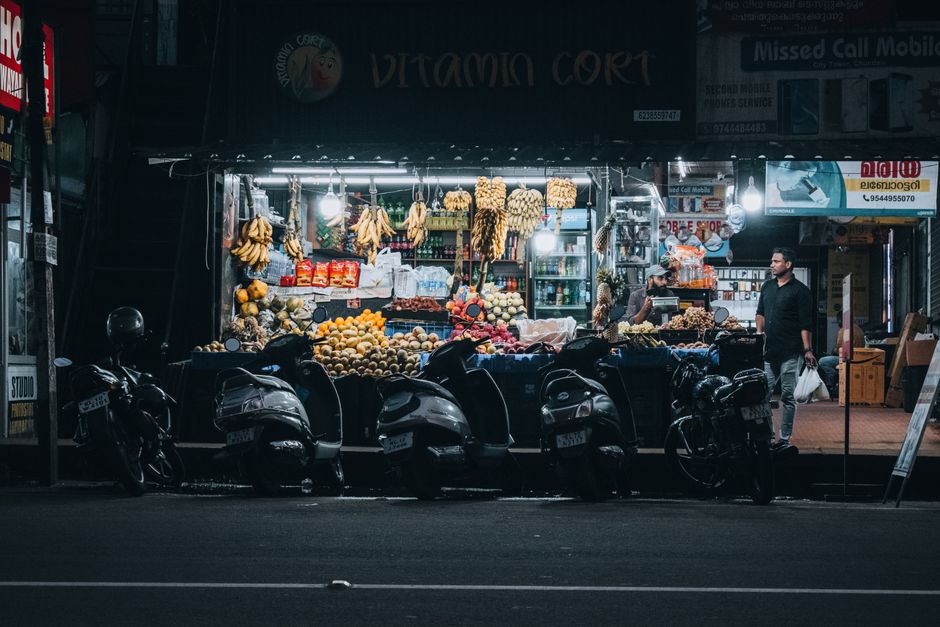
Sometimes the rules don’t apply. Here are the exceptions.
High-end hotels. The Oberoi, the Taj, and similar five-star properties filter their own water. Their ice is made from filtered water. Their salads are washed in ozone-treated water. If you’re staying somewhere that charges $300 a night, you can eat the salad.
Freshly boiled chai. Street chai is made by boiling milk, water, tea leaves, and sugar together. The boiling kills everything. It’s one of the safest things you can drink. Same with coffee if you see the water boil.
Packaged snacks. Parle-G biscuits, Lays chips, packaged nuts — these are factory-sealed. Zero risk. They’re your friend on long train rides.
Fermented foods. Dosa batter, idli, and dhokla are fermented. The fermentation process creates an acidic environment that kills most bad bacteria. Plus they’re cooked. These are safe.
The rule of thumb: if it’s been boiled, fried, or sealed, you’re fine. If it’s raw or wet, skip it.
Your Five-Step Pre-Trip Prep Plan
Do this before you fly, and your gut will thank you.
- Start a probiotic 10 days before departure. Culturelle or Align. One capsule daily. This populates your gut with good bacteria that crowd out the bad ones.
- Buy Pepto-Bismol and ORS packets. Pack them in your carry-on. Don’t check them. You might need them before you reach your hotel.
- Get travel insurance that covers medical visits. World Nomads or SafetyWing. A doctor visit in India costs $10-20, but if you need hospitalization, it can run $500+. Insurance is $50 for a month. Worth it.
- Check if you need a typhoid or hepatitis A vaccine. These are spread through contaminated food and water. The vaccines are about $100 each and last 2 years. Talk to your doctor 4-6 weeks before travel.
- Download the Practo app. It lets you find English-speaking doctors in any Indian city and book appointments. Free to use.
That back-alley pani puri stand? You can still eat there — if you watch them make it fresh, with clean hands, and you’ve taken your Pepto-Bismol. Enjoy the crunch. Your stomach is ready.