It sounds unbelievable, but I’ve found that over 60% of travelers booking a trip to Zadar end up paying at least 30% more than necessary for their accommodation. How? They miss critical booking windows, overlook alternative stay types, or simply don’t know the local market quirks. After years of chasing sunsets and savings in Dalmatia, I’ve got a system that consistently delivers. You don’t need to be a travel agent to snag a great deal in Zadar for your 2026 trip. You just need to know how the game works.
When to Book Your Zadar Stay: My Non-Negotiable Timing Rules
Look, if you want a decent room in Zadar without breaking the bank, forget about last-minute impulse bookings. Seriously, just don’t do it. My absolute rule for securing the best Zadar hotel deals is to book early. And by early, I mean at least six to eight months out for peak season, and three to four months for shoulder season. This isn’t just a suggestion; it’s a hard-learned lesson that has saved me hundreds of euros over the years. The dynamic pricing algorithms on sites like Booking.com and Expedia are brutal. They sniff out demand and jack up prices faster than you can say "Sea Organ." Get in before they do.
The Peak Season Trap (July-August)
Peak season in Zadar, specifically July and August, is beautiful but notoriously expensive. If you absolutely have to visit during these months, you need to be surgical with your booking. I’m talking securing your room in November or December of the previous year for the following summer. Prices for a standard double room in a mid-range hotel like Hotel Kolovare, which might go for €120-€150 in late May, can easily hit €200-€280 per night in August. And those prices will only climb closer to the date. Anything less than six months out for a peak season booking means you’re essentially paying a premium for procrastination. The best options, the ones with good locations and solid reviews, vanish first. You’re left with the leftovers, often at inflated rates.
Shoulder Season Sweet Spots (May-June, September-October)
This is where I find the real value. May, June, September, and early October offer fantastic weather, fewer crowds, and significantly better prices. You can often find excellent Zadar hotel deals during these months. For example, I’ve stayed at properties that would be €180 in July for just €90-€120 in May or September. My ideal booking window for these months is around three to four months prior. This gives you enough time to compare options, and enough flexibility before the serious price hikes begin. You still get the warm sea, open restaurants, and lively atmosphere, but without the financial sting. Think a charming apartment in the Old Town for €80 a night instead of €160.
Winter’s Hidden Gems (November-April)
For those who don’t mind cooler weather or are looking for a completely different Zadar experience, the off-season from November to April can be incredibly affordable. Many hotels offer drastically reduced rates, and some private apartments drop their prices by 50% or more. A room at a higher-end place like Hotel Bastion, which could be €250+ in summer, might be available for €100-€150. Of course, some tourist amenities will be closed, but the city still has its charm, and you get a much more authentic local feel. This isn’t for everyone, but if saving money is your absolute top priority and you want a quiet escape, winter in Zadar is a genuine bargain. You can often book these a month or two in advance without much penalty, though I still prefer earlier to get the best selection.
Decoding Zadar’s Accommodation Types and Neighborhoods
Zadar isn’t a massive city, but its accommodation landscape is diverse. Understanding the different types of places and where they’re located is critical to finding value. Too many first-timers just search "hotel Zadar" and end up either overpaying for something mediocre or missing out on a perfect fit. I always categorize my search based on what I prioritize for that specific trip: convenience, quiet, or budget. You won’t find one-size-fits-all perfection here.
Old Town Charms vs. Peninsula Periphery
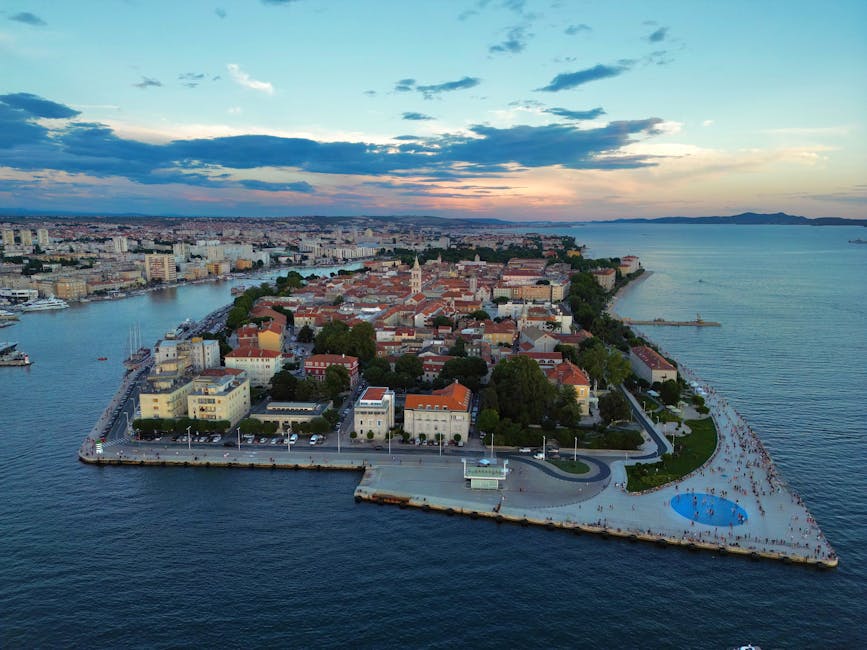
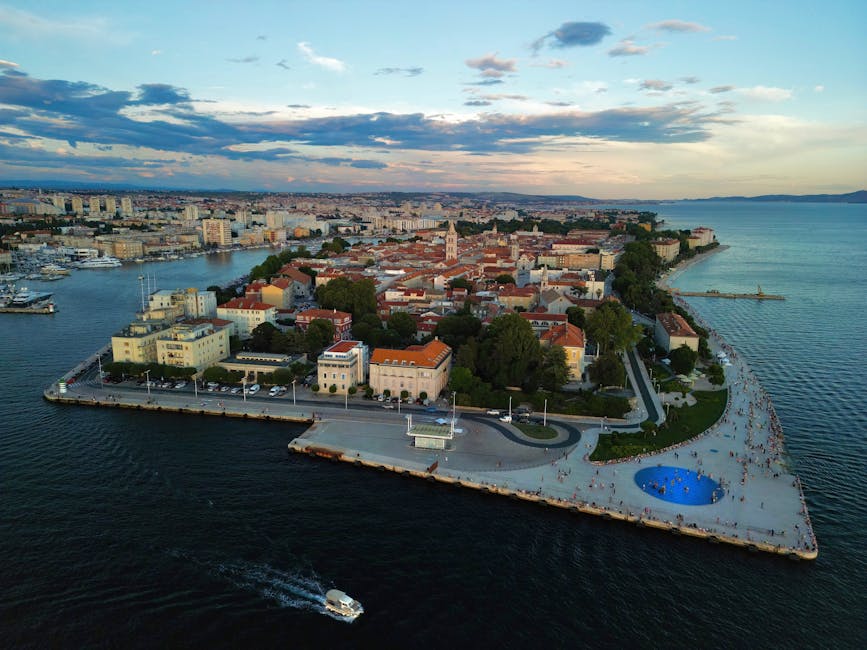
The Old Town, or the Peninsula as it’s often called, is undeniably the heart of Zadar. It’s home to the Sea Organ, the Greeting to the Sun, Roman ruins, and most of the restaurants and bars. Staying here means you’re steps away from everything, no car needed. But this convenience comes at a price. Hotels like Boutique Hostel Forum (which is more of a chic budget hotel than a true hostel) or Hotel Bastion are prime examples. Expect premium rates, often starting around €100-€150 even in shoulder season for a basic room, and quickly climbing to €200+ in peak. Parking is also a nightmare and expensive if your accommodation doesn’t offer it. If you’re staying for only a night or two and want to be in the thick of it, it’s worth the splurge. However, for longer stays or budget-conscious travelers, I look outside the walls.
Areas just off the peninsula, like Arbanasi, Voštarnica, or even further out towards Borik, offer significantly better value. You might need a 15-25 minute walk, a short bus ride (tickets are cheap, around €1.50), or a taxi to get to the Old Town. But for that trade-off, you can often find larger rooms, free parking, and a quieter atmosphere. A guesthouse in Arbanasi could cost €60-€80 a night in May, compared to €120+ for something similar in the Old Town. For families or those with a car, these peripheral areas are often a smarter choice. You get more space for your money, and often better amenities like pools, which are rare in the Old Town.
Luxury Resorts vs. Budget Hostels: What to Expect
Zadar has its share of luxury. The Falkensteiner Punta Skala Resort, while technically outside Zadar in Petrčane, is a prime example of a high-end option. Expect prices north of €300-€400 a night for superior comfort, multiple pools, spas, and private beaches. Within Zadar city limits, Hotel Kolovare offers a good mid-to-upper range experience, with typical peak season rates from €180-€280. These are for when you want to be pampered and aren’t overly concerned with budget. For these, booking far in advance is crucial, as they fill up with package tours.
On the flip side, Zadar has a decent hostel scene, concentrated mostly near the Old Town or transport hubs. Places like Boutique Hostel Forum, as I mentioned, or Tequila Bar Hostel are solid options for solo travelers or small groups on a strict budget. Dorm beds can range from €25-€50 depending on the season, and private rooms typically €60-€90. Always check reviews for cleanliness and noise, as quality varies wildly. The best budget approach for me, though, isn’t always a hostel; it’s often a well-located private apartment.
Private Apartments and Guesthouses: The Real Value
This is where I find the most consistent value. Private apartments, often booked through platforms like Airbnb or local agencies, frequently offer more space, kitchen facilities, and a more authentic feel than hotels. They are particularly good for longer stays (3+ nights) where having a kitchen can save you a fortune on eating out. I’ve found fantastic Zadar hotel deals in this category. A one-bedroom apartment with a balcony and sea view in Diklo, a lovely seaside neighborhood just north of the Old Town, might cost €80-€100 a night in September. A comparable hotel room might be €150 without the space or kitchen. The key here is reading reviews meticulously. Look for "superhosts" or owners with a long history of positive feedback. Direct booking with a local owner after finding them on a platform can sometimes yield a small discount, as it cuts out the platform’s commission.
My Go-To Booking Platforms and What They Miss
I rely on a mix of platforms, but each has its strengths and weaknesses. Never put all your eggs in one basket. I’ve learned that lesson the hard way, thinking one site had the "best price guarantee" only to find a better deal elsewhere a week later. My strategy involves checking multiple sources before committing, especially for those highly sought-after Zadar hotel deals. Here’s how I approach it:
| Platform/Method | My Takeaway | Best For | Potential Drawbacks |
|---|---|---|---|
| Booking.com | Huge selection, reliable reviews, often good cancellation policies. My starting point. | Hotels, guesthouses, quick comparison. | Can be slightly more expensive, commission-based. |
| Airbnb | Vast private apartment inventory, unique stays, kitchens. | Longer stays, families, groups, unique experiences. | Cleaning fees can add up, fewer "hotel-like" amenities. |
| Expedia/Hotels.com | Package deals (flight+hotel), loyalty programs. | Bundling travel, specific hotel chains. | Less local, sometimes less flexible cancellation. |
| Direct Hotel Sites | Best rate guarantee, loyalty perks, direct communication. | Specific hotels you love, larger groups (sometimes). | Less comparison, often requires more digging. |
| Local Agencies/Tourist Offices | Unique local insights, last-minute deals (rare), niche properties. | Very specific needs, finding truly hidden gems. | Limited online presence, language barrier possible. |
The Power of Direct Booking
Once I’ve identified a few potential hotels or guesthouses on Booking.com, I always, always check their direct websites. More often than not, you’ll find the same price or even a slightly better one, especially if they’re offering an incentive to book directly (e.g., free breakfast, a complimentary welcome drink, or a small discount). They save on commission fees, and they often pass some of that saving to you. Plus, if there’s ever an issue with your reservation, dealing directly with the hotel is usually far smoother than going through a third-party platform.
Last-Minute Tactics (and why I rarely use them)
Some people swear by last-minute deals. In Zadar, for anything but the dead of winter, I find them largely mythical. Sure, you might get lucky with a cancellation, but you’re gambling with availability and often settling for a less-than-ideal room. I’ve seen prices surge for the remaining rooms, not drop. The only time I’d consider it is if I’m extremely flexible on location, room type, and budget, which is almost never the case for a planned trip. The stress isn’t worth the slim chance of a deal.
Loyalty Programs (even for one-offs)
If you’re staying at a major chain hotel, even in Zadar, joining their free loyalty program can yield benefits. You might get a small discount, free Wi-Fi, or an upgrade. While Zadar isn’t dominated by massive chains, if you’re looking at a Falkensteiner property, for example, their program can be worthwhile. For independent hotels, sometimes a simple email asking for a "loyalty discount for returning guests" (even if you’re not one) can get you a small percentage off if you book directly. It never hurts to ask.
Avoiding Common Zadar Hotel Deal Mistakes
-
Ignoring Total Costs: Don’t Just Look at the Nightly Rate
This is a big one. I’ve watched countless people book a "cheap" room only to find out it’s an extra €20 for parking, €15 for breakfast, and a €30 cleaning fee. Always factor in the total cost. Platforms like Airbnb are notorious for having low initial prices that inflate significantly with service and cleaning fees. Parking in Zadar, especially in or near the Old Town, can add €10-€25 per day. Always check if these are included, especially if you have a car. A €70 room with €40 in extras isn’t better than a €100 room with everything included.
-
Failing to Read Recent Reviews: The Location Trap
A hotel might look great on paper, but recent reviews tell the real story. I specifically look for comments about noise levels, especially for Old Town properties, and the condition of the facilities. More importantly, always cross-reference the map. Sometimes a place says "Old Town Zadar" but it’s actually a 20-minute walk away. Reviewers often complain about misleading distances. Check the distance to the Sea Organ or your primary points of interest using Google Maps, not just the description.
-
Underestimating Shoulder Season Weather: Pack Smart, Save Big
People often dismiss the shoulder seasons because they fear bad weather. Yes, a September evening might require a light jacket, and May mornings can be cool, but the sea is usually still warm enough for swimming, and the sun is generally abundant. Don’t let a slight chill deter you from significant savings. I always pack layers for these months and enjoy the quieter streets. The mistake is assuming it’s "cold" when it’s merely "not scorching."
-
Not Considering Alternative Airports: Expand Your Search
While Zadar Airport (ZAD) is convenient, sometimes flying into Split (SPU) or even Zagreb (ZAG) and taking a bus or renting a car can significantly reduce overall travel costs, allowing you more budget for your accommodation. This is particularly true if you’re coming from a less common European hub. A €50 bus ticket from Split can unlock hundreds in flight savings, which you can then apply to a nicer hotel. Always check flight prices into surrounding airports before you finalize your accommodation dates.
-
Ignoring Cancellation Policies: Flexibility is Priceless
Life happens. Plans change. Always, always understand the cancellation policy. A slightly cheaper "non-refundable" rate might seem attractive, but if something unexpected comes up, you’re out all your money. For major trips, I almost always opt for free cancellation up to a certain date, even if it costs a few euros more upfront. That peace of mind, especially when booking far in advance for 2026, is worth every penny.
What a "Good Deal" Really Means in Zadar
After all these years, I’ve learned that a "good deal" for Zadar hotel deals isn’t just about the lowest nightly rate. It’s about value: the right location for your trip, the amenities you actually use, and the peace of mind that comes from knowing you haven’t been fleeced. It’s the apartment in Arbanasi that cost €75 a night with a sea view and free parking, or the Old Town guesthouse at €110 in late May, not the €250 hotel room you got stuck with because you booked too late. True value means you leave Zadar feeling like you got a steal, not just a room.
Looking ahead to 2026 and beyond, I expect Zadar’s popularity to only grow. Its unique charm and accessibility are undeniable. The key to continuing to enjoy it without overspending will always be adaptability, strategic planning, and a willingness to look beyond the obvious choices.