Travelling light with only a carry-on bag starts with a useful question: what can you carry comfortably through the whole trip? Your luggage follows you beyond the airport, along station platforms, up accommodation stairs and across unfamiliar streets. A manageable bag makes those transitions easier. The aim is to build a simple system that supports your plans, leaves room for everyday essentials and can be repacked without a struggle.
Set your limits before packing
Begin with the baggage allowance attached to your actual booking. Check the operating airline’s official information for permitted dimensions, weight and number of items, including whether a separate personal bag is included. Repeat this for every flight on your route. A bag that works for the outward journey may not fit the conditions of a later connection.
Measure your luggage when packed, including protruding handles, wheels and full exterior pockets. Weigh it with everything inside. Empty luggage uses part of your allowance before you add anything useful, so consider its own weight alongside durability and comfort. Leave a little spare capacity rather than treating the stated limit as a packing target.
Choose a bag you can handle
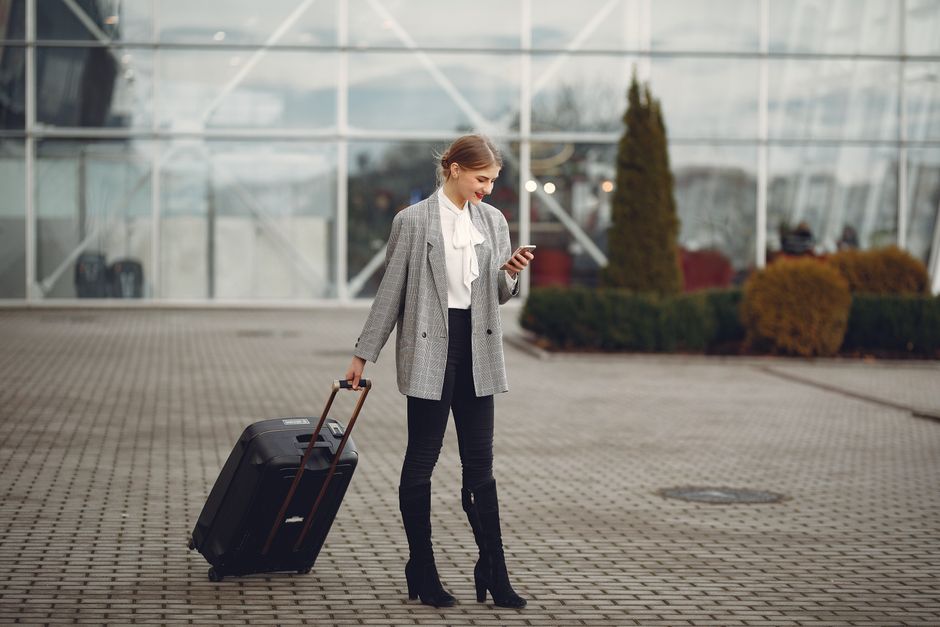
A backpack can be convenient when you expect stairs and uneven surfaces, provided you can comfortably carry its full weight. A wheeled case can suit smoother routes and travellers who prefer to pull their luggage. Think about your physical needs, transfers and accommodation access before choosing. A convenient opening matters too, especially when you need something from the bottom.
Test the loaded bag at home. Carry or wheel it around, lift it onto a raised surface if you can safely do so, and practise opening it in a confined space. Check whether straps dig in, the handle feels awkward or the bag tips over. Problems that seem minor in your hallway become more noticeable when you are tired and navigating a station.
Pack around your actual activities
Write down the main demands of your itinerary: walking, swimming, work, an evening event or time outdoors. Then identify what each activity genuinely requires. A hypothetical invitation or unlikely hobby session should not quietly generate another complete outfit. If specialist equipment is essential, investigate whether suitable rental is available before deciding what to carry.
Keep the focus on a repeatable daily routine. Clothes, washing supplies and electronics should each have a clear purpose. For uncertain items, ask what would happen if you left them behind. An essential prescription and an extra entertainment device deserve very different answers. Keep what protects your health, access and comfort; be more selective about conveniences.
Use laundry to reduce repetition
For a longer trip, plan around washing clothes instead of packing a fresh outfit for every day. Check whether your accommodation offers suitable facilities, or identify a realistic opportunity to use a laundry service. Allow enough clean clothing to bridge the gap if your plans change. Your washing routine should support the holiday rather than dictate every evening.
If you intend to handwash, test a few garments at home first. See how easily they rinse and how long they take to dry under ordinary indoor conditions. Thick seams and waistbands can stay damp after lighter areas feel dry. Check accommodation rules before washing or hanging clothes, and avoid relying on a single overnight drying window before departure.
Control the bulky items
Shoes, thick layers and rigid cases can consume space surprisingly quickly. Start with those items while the bag is empty so you can see their effect. Take footwear that meets your real activities and comfort needs, then assess whether an additional pair adds enough value to justify its volume. Keep dirty soles separated from clean clothes.
Wear a practical outer layer on travel days if you would otherwise pack it, but avoid a strategy that depends on wearing several uncomfortable layers through an airport. You should still be able to move freely and adjust to indoor temperatures. If your plans require bulky equipment or substantial weather protection, reconsider whether carry-on travel fits that particular journey.
Select toiletries deliberately
Lay out everything from your usual bathroom routine and select the products you actually use. Decant suitable products into secure, clearly labelled containers, keeping any required original packaging. Test unfamiliar containers for leaks before departure. Put anything that could spill inside a separate protective pouch, away from documents and electronics.
Security requirements depend on your route and departure points. Check current liquid restrictions and screening instructions with the relevant airport or official security authority, including transfer airports. Do not assume that a previous journey establishes what will be accepted next time. Keep items that may need separate screening accessible so you can follow staff instructions without unpacking everything.
Keep essentials easy to retrieve
Arrange your bag around moments of use. You may need identification at check-in, a layer during the flight and charging equipment after arrival. Packing these beneath tightly compressed clothing makes every small task more complicated. Give frequently needed items predictable places, and return them there after use.
- Travel access: keep required documents, payment methods and accommodation details within easy reach.
- Health essentials: carry necessary medication and relevant documentation, checking official destination and transit requirements before travelling.
- Journey comfort: place a useful layer and other items you expect to use during the journey near the opening.
- Electronics: carry only the devices and compatible charging equipment your plans require, checking airline and aviation authority guidance for batteries.
Even a bag intended for the cabin may need to be placed in the hold. Prepare a small removable pouch containing valuables, essential medication and documents. If staff ask you to surrender your main bag, tell them about any batteries or other items that may need to stay with you, and follow the applicable instructions.
Organise for easy repacking
Packing cubes or simple pouches can keep categories together, but organisers also add weight and occupy space. Use enough to make the contents understandable. Avoid building a system with so many compartments that you forget where things belong. Rolling and folding both work; choose whichever keeps your particular clothes accessible and reasonably tidy.
Compression can reduce bulk, but it does not reduce weight. It can also tempt you to fill every remaining gap. Leave space for a worn layer, separated laundry or something you pick up during the trip. The bag should close without a wrestling match when you are packing in an unfamiliar room.
Do a practice departure
Finish packing before your departure day, then simulate leaving your accommodation. Put away your toiletries, add your charging cables and include everything you normally keep in your pockets. This catches the items that disappear from an early packing trial because they are still being used around the house.
Finally, remove anything you cannot connect to a likely need. Confirm that the bag meets your booking conditions and that you can manage it comfortably. After the trip, note what you used, what you missed and what stayed untouched. Those observations help you build a dependable carry-on routine that suits the way you actually travel.