
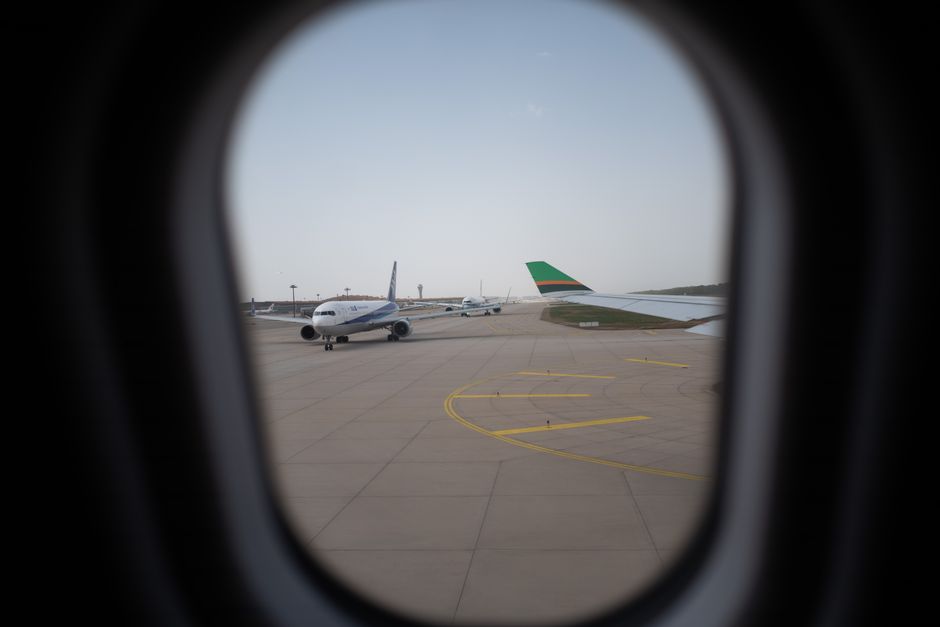
A long-haul flight can deliver you to an exciting destination while leaving your body convinced that the day has only just begun, or should already be over. You may struggle to sleep at night, feel drained during sightseeing, or want breakfast when everyone else is having dinner. Beating jet lag takes more than determination. The most useful approach is to prepare gently, make rest possible during the journey, and give your first days enough flexibility to adjust.
Separate jet lag from travel exhaustion
Jet lag happens when crossing time zones leaves your internal body clock out of step with local time. Travel exhaustion also comes from disrupted sleep, airport transfers, uncomfortable seats, and the effort of getting somewhere unfamiliar. You can feel exhausted after a long journey without a substantial time difference. When you cross several time zones, both problems can arrive together.
The CDC and NHS identify disturbed sleep and daytime tiredness as common features of jet lag. Their guidance supports preparing your sleep routine and adjusting to destination time. There is no dependable promise that you will recover by a particular morning. Plan around the possibility of a slower start, especially if the journey precedes an important event.
Protect your sleep before departure
Begin with the practical tasks that make the final night at home easier. Finish packing before bedtime, arrange your airport transfer, and save your essential documents somewhere accessible. Leaving everything until the last evening creates a sleep deficit before the journey has even started. Deliberately staying awake to guarantee sleep on the plane is risky when cabin conditions may prevent you from resting.
If your responsibilities allow, gradually move your sleep routine toward destination time before departure. This generally means earlier sleep when heading east and later sleep when heading west. Keep the change manageable rather than sacrificing sleep to follow an ambitious schedule. If you have a sleep disorder or a complicated itinerary, seek individual advice from a qualified healthcare professional.
Choose an arrival you can manage
Compare flight options by picturing what happens after landing. A morning arrival might leave a long gap before your room is available. An evening arrival might work well for bedtime, but only if the transfer and check-in are straightforward. Ask your accommodation about room access and luggage storage rather than assuming either will be available.
Consider connections as part of the same decision. An awkward overnight layover can undo the benefit of a convenient arrival time. When you have a choice, weigh the whole journey against your ability to rest. For a wedding, meeting, or demanding excursion, leave some space between landing and the commitment so a tired first day does not derail the trip.
Make rest possible on the plane
Once you settle onto the main long-haul flight, look at destination time and decide when you hope to rest. Aim to use the portion overlapping with nighttime there as your main sleep opportunity. You cannot control turbulence or announcements, but you can avoid filling every quiet moment with films, work, and scrolling.
- Keep an eye mask and earplugs within reach.
- Wear comfortable layers that you can adjust to cabin conditions.
- Save quiet entertainment for times when sleep will not come.
- Arrange your bag so you can reach essentials without searching overhead.
- Agree on rest periods with companions, particularly when sharing childcare.
Drink water regularly for comfort, while remembering that hydration does not reset your body clock. Think about whether coffee or tea will interfere with the sleep you are trying to get. Avoid relying on alcohol to make you sleepy. If the flight is restless, accept that the arrival plan may need to become simpler rather than trying to force a perfect recovery.
Use light with attention to timing
Light is one of the signals that helps regulate your body clock. The CDC explains that appropriately timed light exposure can support adjustment, but useful timing depends on travel direction and the size of the time change. A blanket rule to seek bright morning light immediately after every flight can be too simple, especially after a major shift.
Consult current official travel-health guidance for your route, or ask a clinician about a suitable plan. Write any recommended light and sleep windows in destination time before leaving. Keep the note short enough to follow when tired. Having one clear reference is easier than repeatedly converting between home time, connection time, and the clock in your hotel room.
Keep the first day deliberately easy
Choose one flexible activity near your accommodation: a neighbourhood stroll, an easy waterfront walk, or a relaxed meal. Leave complicated transport journeys and attractions with strict entry slots for later. You should be able to shorten the outing without losing something central to the holiday. Save an easy route back before setting out.
Handle basic decisions in advance. Know how you will reach your accommodation, where your arrival documents are, and how to contact your host if delayed. Check current transport and check-in information with official operators and the accommodation itself. A straightforward transfer is particularly valuable when you lack the concentration to compare unfamiliar options.
Rest without losing the whole afternoon
If you need a daytime nap, keep it brief and set an alarm. A long afternoon sleep can make local bedtime harder. However, staying awake should never become an endurance test when you cannot function safely. Avoid driving while sleepy, and change your plans if necessary. Getting safely settled matters more than completing an arrival-day sightseeing list.
Make your first nights simple
Before you get too tired, find your sleepwear, charge your phone, and check the curtains and room controls. Prepare what you need for the next morning so bedtime does not involve rummaging through luggage. A quiet, dark sleeping space makes it easier to rest when your planned bedtime arrives.
If you wake during the night, keep things calm rather than starting an extended session on a bright screen. Avoid repeatedly checking what time it is at home. Focus on the local routine you are trying to establish. Keep the next morning flexible enough that one difficult night does not create a chain of rushed meals, missed reservations, and frustration.
Adapt the approach to your trip
On a very short visit, complete adjustment may be impractical. Prioritise rest around essential commitments and seek individual advice if the schedule is demanding. Families should allow extra flexibility and bring familiar bedtime items. If you take regular medication, ask your pharmacist or prescriber how to handle time-zone changes before travelling.
Discuss melatonin or sleeping medicines with a qualified professional rather than copying another traveller. Suitability and timing matter, and medicine rules vary between destinations. Check current official guidance before carrying them abroad. Seek medical advice if sleep problems are severe or persist. Give the return journey some breathing room too, with time to unpack and rest before your normal calendar becomes busy again.