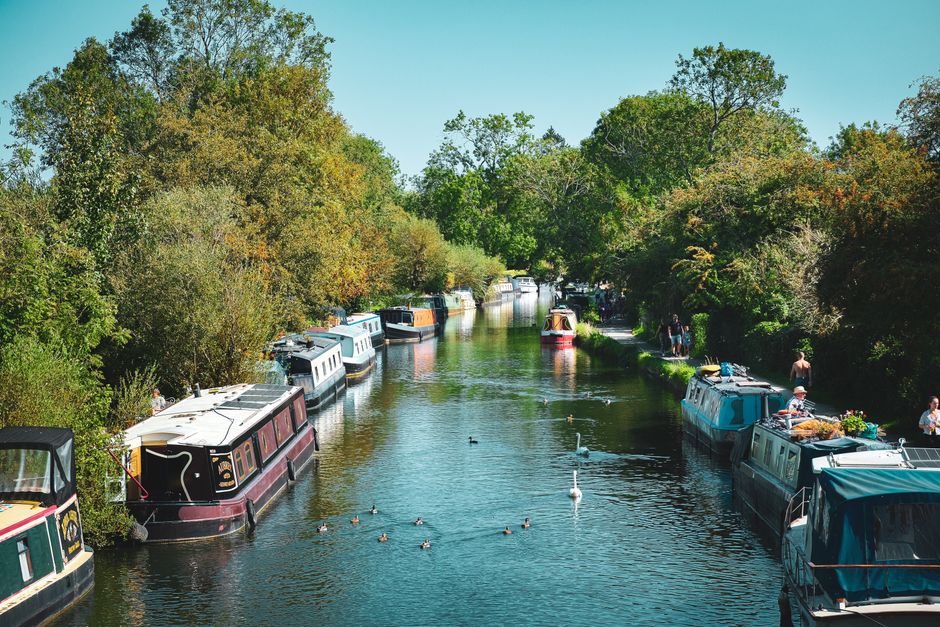
London feels different beside the water at Little Venice. Boats sit beneath leafy streets, bridges frame reflections, and the city’s traffic becomes a background sound. Follow Regent’s Canal east and that gentle beginning develops into a varied urban walk, with residential stretches, waterside greenery and the bustle of Camden. The pleasure comes from watching these changes unfold, rather than collecting sights. With a little route planning, you can make this an easy outing that suits your energy, the weather and the rest of your London visit.
Choose how much canal you want to explore
Little Venice is the meeting place of Regent’s Canal and the Paddington Arm of the Grand Union Canal. This matters when you start walking: following the water does not automatically take you towards Camden. Get your bearings at the junction before choosing a direction. Paddington Basin makes a separate extension, while Regent’s Canal leads east towards Maida Hill and eventually Camden.
For a short visit, explore the junction, nearby streets and garden views, then return to your starting point. For a longer outing, continue towards Camden and leave room for pauses. An end-to-end walk avoids repeating your route, but a simple out-and-back gives you more control over when to turn around. Neither needs a tightly packed schedule.
Arriving and finding your bearings
Warwick Avenue Underground station is a useful starting point for Little Venice, while Paddington offers another approach through the surrounding streets and waterside area. Choose between them according to where you are staying and which part of the waterway you want to see first. Check Transport for London’s official journey planner for current services, station access and disruptions before setting out.
Save a map that includes surrounding streets, rather than only the canal line. The waterway sometimes disappears below road level, and a nearby bridge does not always provide access to the towpath. Mark your intended finish and a few possible ways to leave the route. This is especially helpful if you are walking with children or someone who tires easily.
Spend time around Little Venice
Start by looking across the broad water at the junction. Notice how the boats, island and houses create different layers, then move to another public viewpoint. You do not need to cover much ground to appreciate this corner of London. Rembrandt Gardens offers another perspective beside the water; check the relevant council information if garden access is important to your plans.
The surrounding streets are part of the experience, so allow yourself to leave the water briefly. Looking back from a bridge can reveal a view you missed at towpath level. Keep photographs respectful: many boats are homes, and an attractive window, roof garden or deck is still someone’s private space. Stay on public paths and avoid stepping onto mooring areas.
Understand the break at Maida Hill Tunnel
You cannot walk through Maida Hill Tunnel. It carries the canal beneath the streets without a towpath. A walking route therefore includes an above-ground diversion. This is a normal part of exploring the canal, so do not assume you have taken a wrong turn when the waterside path stops or access changes.
Use the Canal & River Trust’s official walking information and a current street map to plan the diversion and locate the next public access point. Respect signs around residential moorings, even if a waterside path appears to continue. Do not rely on following the bank continuously. If you are unsure, pause somewhere clear of the path and check your position before continuing.
Continue towards Camden at an easy pace
Beyond the street diversion, the walk changes character as you continue through the canal corridor towards the northern edge of Regent’s Park. Bridges and bends break up the views, while the water provides a consistent thread through different neighbourhoods. Look ahead as well as across the canal: approaching boats and reflections beneath bridges often provide the most memorable moments.
This is primarily a waterside outing. Regent’s Park is a separate visit, and reaching a stretch beside London Zoo does not give you entry to the zoo. If you want to add either attraction, plan the appropriate public exit and entrance. Otherwise, keep your attention on the canal and save a fuller park visit for another occasion.
Camden brings a noticeable shift in atmosphere, with busier paths and activity around the locks and market area. Finish here if you want food and a livelier neighbourhood after the quieter walk. If crowds are tiring, you can also leave the canal and head towards public transport. Avoid making a crowded final stop essential to enjoying the day.
Deciding between walking and a boat trip
A boat journey gives you a lower viewpoint and lets you experience stretches that walkers negotiate differently, including tunnels where the chosen service travels through them. Walking offers more freedom to stop, change direction and explore side streets. Choose according to your interests and mobility, rather than assuming you need to do both.
If you prefer to travel by boat, check the operator’s official information for the route, boarding location, availability and accessibility. Confirm whether your chosen journey is one way or returns to its starting point. Boats have limited space, so ask directly about wheelchairs, pushchairs and luggage. Do not build the rest of your day around an unconfirmed departure.
Share the towpath comfortably
The towpath is a shared space used by walkers, runners, cyclists and people tending boats. Its width and surface vary, and some sections feel confined between walls and water. Walk with enough awareness to let others pass, keep dogs close, and move aside before stopping to consult your phone. At bridges, take extra care where sightlines narrow.
- Wear shoes with reliable grip, especially after rain.
- Keep children away from the unguarded water’s edge and supervise them around locks.
- Carry water and a light weather layer without overloading your bag.
- Step away from busy access points before taking photographs.
- Use a street alternative if a section feels too crowded or uncomfortable.
Plan for access, weather and breaks
A route beside water is not automatically step-free. Entrances may involve steps, ramps can vary, and street diversions add crossings. If you use a wheelchair or mobility aid, verify the particular access points you intend to use with official accessibility information. Plan a manageable section with a confirmed exit instead of depending on the whole route being suitable.
Choose daylight for an unfamiliar walk and reconsider exposed or slippery sections in poor weather. Carry a small snack if needed, but take meal and toilet breaks where facilities are confirmed rather than expecting them continuously beside the canal. Before leaving, check the Canal & River Trust for notices affecting your route. Then give yourself permission to linger: a bridge reflection, a passing boat or a quiet patch of water can be reason enough to stop.