Ortigia rewards a summer visit when you give its streets room to surprise you. Syracuse’s old island brings together pale stone squares, ancient remains, narrow residential lanes and a waterfront that keeps drawing you back. The challenge is fitting these pleasures around the heat. Plan a morning walk, a proper break and an evening return, and you can explore without turning a beautiful place into an endurance test.
Plan around the island’s rhythm
Ortigia is the historic heart of Syracuse, connected to the mainland by bridges. You can explore much of it on foot, but a compact map does not account for sunshine, stops or the temptation to wander down another lane. Give yourself a full day for an introduction, or stay overnight to enjoy the island before and after the busiest part of the day.
In summer, choose a few priorities rather than a long checklist. A cathedral visit, a market wander and a walk around the southern waterfront make a satisfying combination. Keep another sight optional. If you are also interested in Syracuse’s mainland archaeological attractions, allow separate time for them instead of treating everything as one continuous walk.
Arrive with a simple transport plan
If you arrive in Syracuse by train or bus, look up the walk or onward connection to your accommodation before setting off with luggage. The island’s lanes are more enjoyable with a small day bag than a suitcase. Save an offline map and ask your host which approach makes the most sense for your entrance.
If you are driving, check the municipality’s current traffic restrictions and parking information before entering the historic centre. Ask your accommodation about any access arrangements, including where you can unload. A reservation on the island should not be taken as permission to drive through every street. Leaving the car in an appropriate parking area and exploring on foot usually simplifies the visit.
Begin near the Temple of Apollo
The remains of the Temple of Apollo offer a useful starting point near the island’s northern entrance. Pause to look at the surviving stonework and the way ordinary streets continue around it. Ortigia’s appeal often lies in these close encounters between ancient structures and daily life, rather than in monuments standing apart from their surroundings.
From here, explore the market area if trading is underway. Check local information for current market days before building your morning around it. Browse without blocking stalls, ask before photographing vendors and keep purchases manageable in the heat. Food shopping works best when you have somewhere suitable to store what you buy or plan to eat it promptly.
Walk through the centre to Piazza Duomo
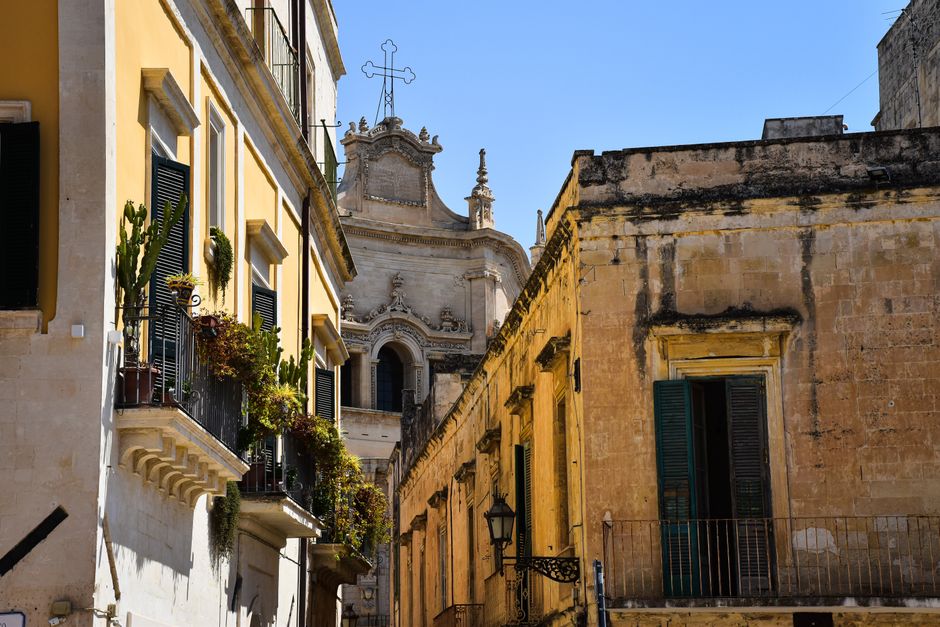
Continue through the central streets towards Piazza Archimede, then make your way to Piazza Duomo. Let the route include a little wandering: a turn through a shaded lane can be as memorable as the main shopping streets. Keep your map for orientation, but resist checking it at every junction.
Piazza Duomo opens out dramatically after the tighter streets. Its pale surfaces can feel dazzling under strong sunshine, so take your time from a shaded edge rather than lingering in the middle simply for a photograph. Look at the proportions of the square and the cathedral’s elaborate frontage before going inside.
Give the cathedral your attention
Syracuse Cathedral incorporates columns from the ancient Temple of Athena, making it a particularly rewarding place to notice how buildings change through successive uses. Look for the contrast between the ancient structural elements and the later church. You do not need a detailed historical timeline to appreciate how visibly these layers coexist.
Check the cathedral’s official visitor information for access, services and dress requirements. Carry a light covering for shoulders and choose clothing suitable for entering a place of worship. If a service is taking place, follow the guidance at the entrance and be prepared to return later.
Continue to the spring and southern tip
From the cathedral area, head towards Fonte Aretusa, the freshwater spring beside the sea. Its setting offers a different kind of stop from the grand square: water, plants and the harbour beyond. The spring is associated with the myth of the nymph Arethusa, adding another thread to the island’s mixture of landscape and storytelling.
Continue south towards Castello Maniace, which occupies the island’s tip. Decide whether to visit the fortress or simply make this the turning point of your walk. Consult the official site for current entry arrangements before committing to the detour. The approach includes exposed stretches, so adjust this part of the route to the weather and your energy.
Afterwards, return through the interior streets or follow a different section of waterfront. A complete circuit is optional. Choosing a shorter loop leaves time to pause by the sea and enjoy the contrast between the open edge of the island and its enclosed lanes.
Make lunch a genuine break
Choose somewhere you can sit comfortably, with shade or a cool interior, rather than ordering while already exhausted. Read the menu before settling in and ask about ingredients if you have dietary requirements. Sicilian dishes vary, and familiar names do not guarantee the same preparation everywhere.
For something lighter, granita can be a refreshing pause, while an arancino makes a portable snack. Neither needs to become a compulsory food experience. Let appetite guide you, keep drinking water and avoid carrying perishable picnic food through a long afternoon. After lunch, return to your room if you are staying nearby or choose an indoor visit whose conditions suit you.
Treat swimming as a separate decision
Being surrounded by water does not make every section of Ortigia’s shore suitable for swimming. Do not assume that steps, rocks or a gap in the sea wall mark an approved entry point. Check current municipal guidance, posted signs and sea conditions before considering a dip.
If swimming is central to your holiday, research an appropriate beach outing separately. That gives you a clearer plan for transport, changing and getting back. On the island itself, you can enjoy the waterfront fully without entering the water: watching boats, following the changing light and finding a comfortable place to sit are pleasures in their own right.
Return for the evening
As the heat eases, revisit a square or waterfront stretch you passed earlier. The western side faces the harbour and is a natural place to watch the evening light, although you should expect other visitors to have the same idea. Walk a little farther if your first stopping place feels crowded.
Dinner can be the evening’s only firm plan. Allow space afterwards for an unhurried stroll through the centre, keeping voices low in residential lanes. If you stay overnight, ask about street noise when choosing a room and confirm cooling arrangements. A convenient location matters most when you can rest comfortably between outings.
Pack for walking and pauses
- Comfortable shoes: Choose secure footwear for stone paving and uneven surfaces.
- A light day bag: Carry water, sun protection and a covering for church visits.
- Essential information: Save your accommodation address, return transport details and official visitor information.
- A flexible route: Keep one or two stops optional so you can respond to heat, crowds or an inviting shaded seat.
The most satisfying summer visit leaves room for both the landmarks and the spaces between them. See the cathedral, follow the sea and give yourself permission to stop. Ortigia’s small scale makes returning easy, and a second look often reveals more than another hurried stop.