
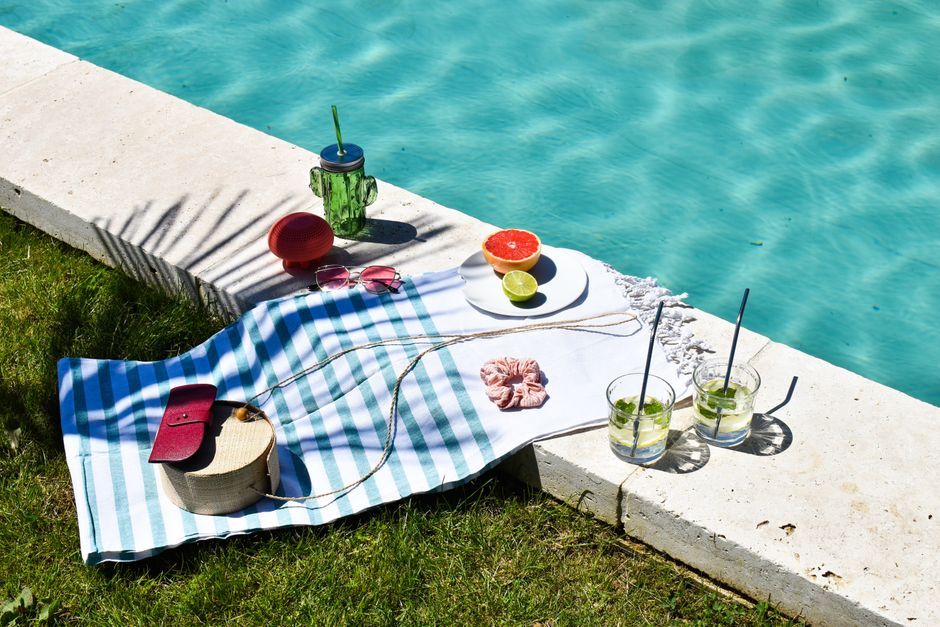
Packing for a summer beach holiday is easier when you picture an ordinary day beside the sea: getting there, swimming, drying off and heading somewhere for lunch. Each stage needs a few useful things, but rarely a separate outfit or gadget. Build your bag around salt water, sand, damp clothing and the activities you actually plan to do. You will arrive with what you need and have less to carry back from the beach.
Start with the beach you are visiting
A sandy beach beside your accommodation calls for a different setup from a rocky cove reached by a footpath. Before packing, check the shoreline, access route and available facilities through official tourism information or the beach authority. Find out whether you can expect shade, toilets and drinking water nearby. These details help you decide whether to bring extra water or footwear suitable for the approach.
Ask your accommodation what it provides. Beach towels may be available, while bathroom towels may need to stay indoors. Laundry facilities and drying space also affect how much you need. Check current baggage rules directly with your transport operator before choosing your bag, especially if your journey includes a flight or ferry transfer.
Build a wardrobe around swimming and drying
Start with swimwear you have already tried on and moved around in. A suit that feels comfortable standing still may fit differently when you swim or climb steps. Two swimsuits are useful when one is still damp, particularly if your accommodation has limited drying space. Pack the styles you will happily wear repeatedly rather than several options for hypothetical occasions.
Add a cover-up that works for the journey between your room and the beach. A loose shirt, simple dress or lightweight trousers can also serve at lunch, provided they suit the setting. Choose clothes that mix easily and feel comfortable over warm skin. Check whether beachwear is appropriate away from the waterfront; restaurants and religious sites may call for more coverage.
A practical starting list
- Two swimsuits or pairs of swimming shorts.
- A washable cover-up and a few interchangeable tops and bottoms.
- Underwear and sleepwear suited to your stay and laundry access.
- One outfit for meals or activities that require something beyond beachwear.
- A light layer for breezy evenings or air-conditioned transport.
Adjust quantities to your plans rather than packing a complete new outfit for every day. If you intend to wash clothes, bring only what you can realistically dry. Thick cotton garments and heavily padded swimwear can remain damp longer than you expect in humid weather or a shaded room.
Choose footwear for the whole route
Think beyond the sand. Your walk might include uneven pavements, steep lanes or loose stones. Comfortable sandals with a secure fit can be more useful on these approaches than loose slides. Bring familiar walking shoes if sightseeing or longer walks form part of the holiday, and wear your bulkiest suitable pair during the journey.
Water shoes can help on some pebbly shores or rough entries, but they are not necessary everywhere. Check local advice before adding them. Footwear does not make an unsafe swimming area safe, and protected shorelines may have access restrictions. Avoid packing several pairs that all serve the same purpose.
Give your beach bag a clear job
Your daily bag should carry what you need between leaving your accommodation and returning. Choose something comfortable on your shoulder, with a closure and enough room for a towel, water and a dry layer. An open mesh section can release sand, while an enclosed pocket keeps small essentials together. Neither feature makes the bag waterproof.
Pack a reusable wet bag for damp swimwear and a separate pouch for dry items. Keeping these apart prevents a wet towel from soaking your clothes on the way home. Empty the wet bag promptly back at your accommodation. It is a transport solution, not a place to leave swimwear overnight.
- A beach towel, unless one is provided.
- Drinking water and any snacks needed for your outing.
- Sun protection, a hat and sunglasses.
- A dry cover-up or lightweight change of clothes.
- A wet bag and a small bag for taking rubbish away.
- Only the valuables and payment methods you need that day.
Pack sun protection where you can reach it
Keep sunscreen, sunglasses, a secure hat and covering clothing accessible instead of burying them beneath your luggage. Choose items you are comfortable wearing in a breeze and carrying when you move. A long-sleeved swim top may suit your planned activities. Follow product instructions and consult official public health guidance for current sun protection advice.
If you plan to bring your own shade, check beach rules and transport practicality first. A large umbrella can become awkward on a bus or exposed path, and wind may make it unsuitable. Confirm whether shade is available locally before relying on it.
Keep toiletries and electronics manageable
Bring toiletries you use regularly, in quantities suited to your stay. Seal anything that might leak and keep it away from clothing. For flying, check current official security requirements for liquids. Keep any medication accessible in its labelled packaging and check destination requirements through official sources where relevant.
Salt, sand and water are good reasons to keep electronics simple. Bring the charging equipment your devices need and check whether your destination requires an adapter. Store your phone out of direct sun and away from loose sand. If you use a waterproof pouch, follow its instructions and test the seal without your device inside before trusting it.
Add equipment only for definite plans
Snorkelling gear, beach games and large inflatables can quickly fill a suitcase. Take equipment when you know where and how you will use it. Otherwise, investigate rental options and local restrictions before departure. On protected beaches, rules may limit games, anchoring shade structures or entering particular areas. Official beach information should guide your choices.
Leave yourself ready for the final swim
Before closing your luggage, set aside a small arrival kit with swimwear, a cover-up and beach essentials. You can enjoy the shore without unpacking everything. For departure, keep dry travelling clothes separate and leave room for a damp swimsuit. Rinse and dry equipment when possible, shake sand from bags and check drawers and drying racks. A little spare space makes the journey home easier than a suitcase packed to its limit.