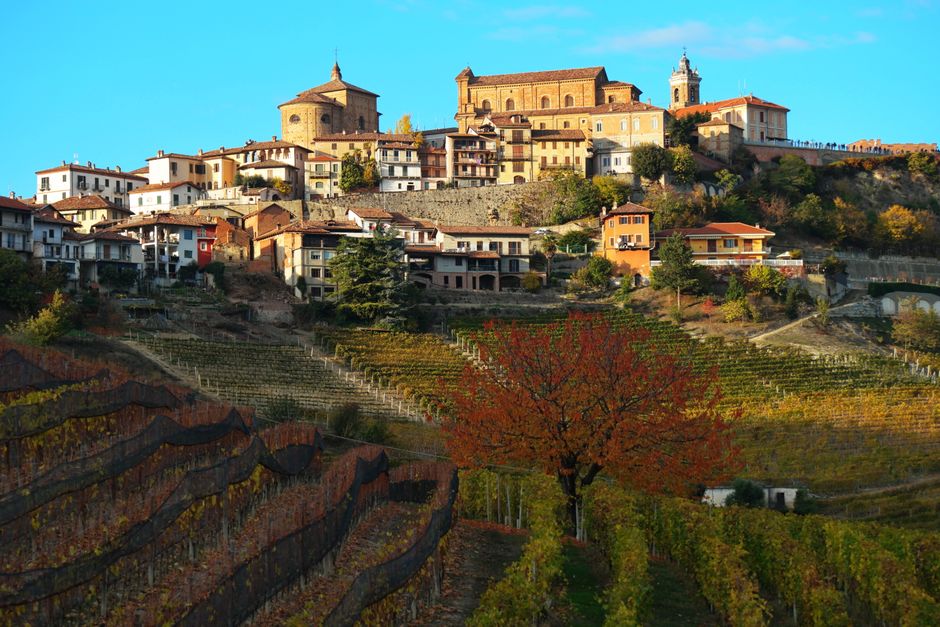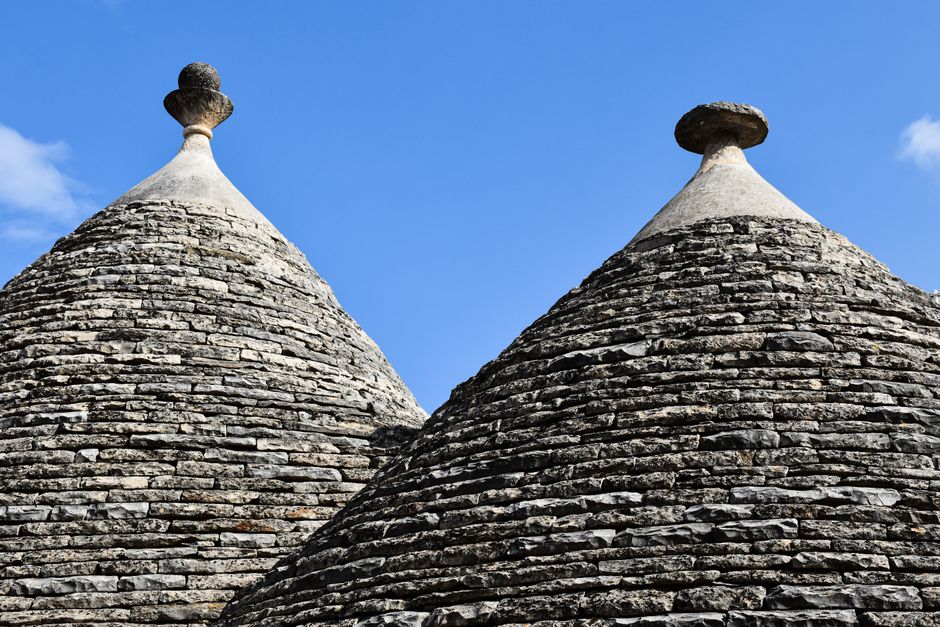
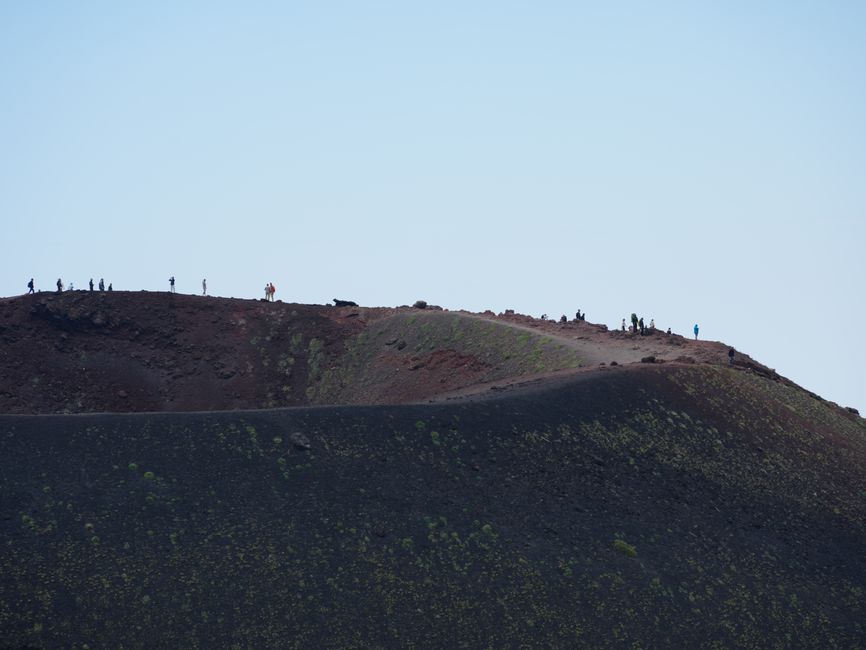
Visiting Mount Etna and its surroundings brings together two different sides of eastern Sicily: exposed volcanic slopes and settled landscapes of vineyards, orchards and stone villages. The most rewarding trip gives both some attention. You can walk across older lava, learn how the mountain shapes daily life, and finish with a gentle town stroll. Start by choosing the kind of experience you want, then build a flexible plan around weather, access restrictions and your comfort on uneven ground.
Decide what you want from the volcano
Etna is an active volcano, and visiting it does not automatically mean climbing to the summit. Lower trails, old craters and woodland walks offer plenty to see. Dark lava fields reveal different textures, plants colonise cracks in the rock, and the contrast between bare slopes and cultivated land helps explain the mountain better than a distant summit photograph alone.
Distinguish between a scenic outing, a substantial hike and an excursion toward the upper craters. These involve different levels of effort and different access rules. If your main aim is understanding the landscape, a guided walk at a lower elevation can be a satisfying choice. Avoid making the success of your holiday depend on reaching a particular point.
Choose a mountain approach
The southern side
The Rifugio Sapienza area is a familiar starting point on Etna’s southern side, reached by mountain roads from the direction of Nicolosi or Zafferana Etnea. The Silvestri craters give this area a distinctive volcanic setting. It suits visitors who want a clear arrival point and a first impression of the mountain without committing immediately to a demanding excursion.
Check which paths are open before setting off, including around apparently accessible craters. Cable car operations and onward mountain transport depend on operating conditions. Confirm these separately from your journey to the departure area. Before booking an outing, establish where it goes and how much walking it includes.
The northern side
Piano Provenzana is the principal visitor starting area on the northern side, approached through the Linguaglossa area. Forest and volcanic terrain make this side appealing if you want to combine mountain time with villages and vineyards around Etna’s northern slopes. Choose it because it fits your route and interests, rather than assuming either side guarantees better conditions.
The two approaches are separate destinations connected by roads around the mountain. Switching between them can consume much of a day. For a short visit, pick one side and explore it properly; save the other for a return visit or a second mountain day.
Check access and weather before departure
Access on Etna can change with volcanic activity, weather and local orders. Before travelling uphill, consult the Etna Park authority, relevant municipal notices and Sicilian Civil Protection information. Check again close to departure, and ask your qualified guide how current rules affect the proposed route. An old blog post or someone else’s recent photographs cannot establish what is permitted today.
Mountain weather can differ sharply from conditions on the coast. Wind, cloud and cold may change the experience even when the seaside feels warm. Leave room to swap your mountain outing with a village day. If visibility is poor or your guide changes the route, accept the alternative rather than trying to recover the original plan independently.
Choose a walk you can enjoy comfortably
Use official park trail information to compare terrain, elevation change and route length. A short distance across loose volcanic material may feel harder than a longer pavement walk. Ask about the descent as well as the climb, since unstable footing can be tiring. Allow time to stop and look without turning the return into a rush.
For upper mountain excursions, establish whether a qualified alpine or volcanological guide is required under current rules. Even where independent walking is permitted, a guide can help you interpret the landscape and judge conditions. Lava caves need their own preparation and suitable supervision; do not enter one simply because its entrance appears easy to reach.
- Ask about the route: confirm walking distance, terrain and possible alternatives.
- Check equipment arrangements: understand what is supplied and what you must bring.
- Discuss suitability: describe your walking experience and any limitations before booking.
- Understand cancellations: clarify what happens if restrictions or weather prevent the planned outing.
Pack for the mountain
Wear sturdy footwear with reliable grip and carry warm layers plus a windproof outer layer. Sun protection matters on exposed slopes, while sunglasses help in bright conditions. Bring drinking water, food and a charged phone. Download necessary route information before leaving your accommodation, but remember that a downloaded map does not show new closures or replace navigation skills.
Keep your load manageable and secure loose items in wind. Families should choose routes around the least confident walker and build in breaks before anyone becomes exhausted. Consider how everyone will cope with the return journey, too. There is no need to go higher to have a worthwhile day.
Give the surrounding towns their own time
Nicolosi makes a natural companion to a southern mountain outing. Its position below the higher slopes helps you see Etna as part of an inhabited landscape. Zafferana Etnea, on the eastern flank, offers another useful stop, with a strong association with honey production. Leave time for a simple meal or a walk through town instead of treating every settlement as a place to pass through.
On the northern side, Linguaglossa works well alongside Piano Provenzana, while Randazzo offers a different focus through its historic streets and dark volcanic stone architecture. Choose one town for an unhurried visit. Trying to collect several villages after a mountain hike often turns an appealing afternoon into a sequence of parking stops.
The vineyards around Etna add another perspective on the lower slopes. If you want a vineyard visit, arrange it in advance and ask what the experience includes. Plan transport before any tasting, with a driver who will not drink or an organised transfer. You can also appreciate the agricultural landscape without booking a tasting.
Connect your stops realistically
A car offers flexibility for combining trailheads and villages, but mountain roads require attention. Check road conditions and seasonal equipment requirements with official sources before driving. Park only in designated places, keep access clear and allow enough daylight for an unfamiliar descent. Avoid adding a distant stop simply because it looks close on a map.
Without a car, start with transport rather than a list of attractions. Confirm current public transport routes, the precise mountain destination served and your return connection. A service to a village does not necessarily continue to a trailhead. An organised excursion or prearranged transfer may make a focused mountain day easier, while regional transport can support separate visits to accessible towns.
Leave room to change your plan
With one day, combine one mountain approach with one nearby town. With two days, separate walking from a slower exploration of villages and cultivated slopes, keeping the clearer day available for the mountain. Follow marked paths, leave rocks and plants where they are, and carry out your litter. Etna rewards attention at every elevation: give yourself time to notice both the volcanic ground beneath your feet and the communities living around it.