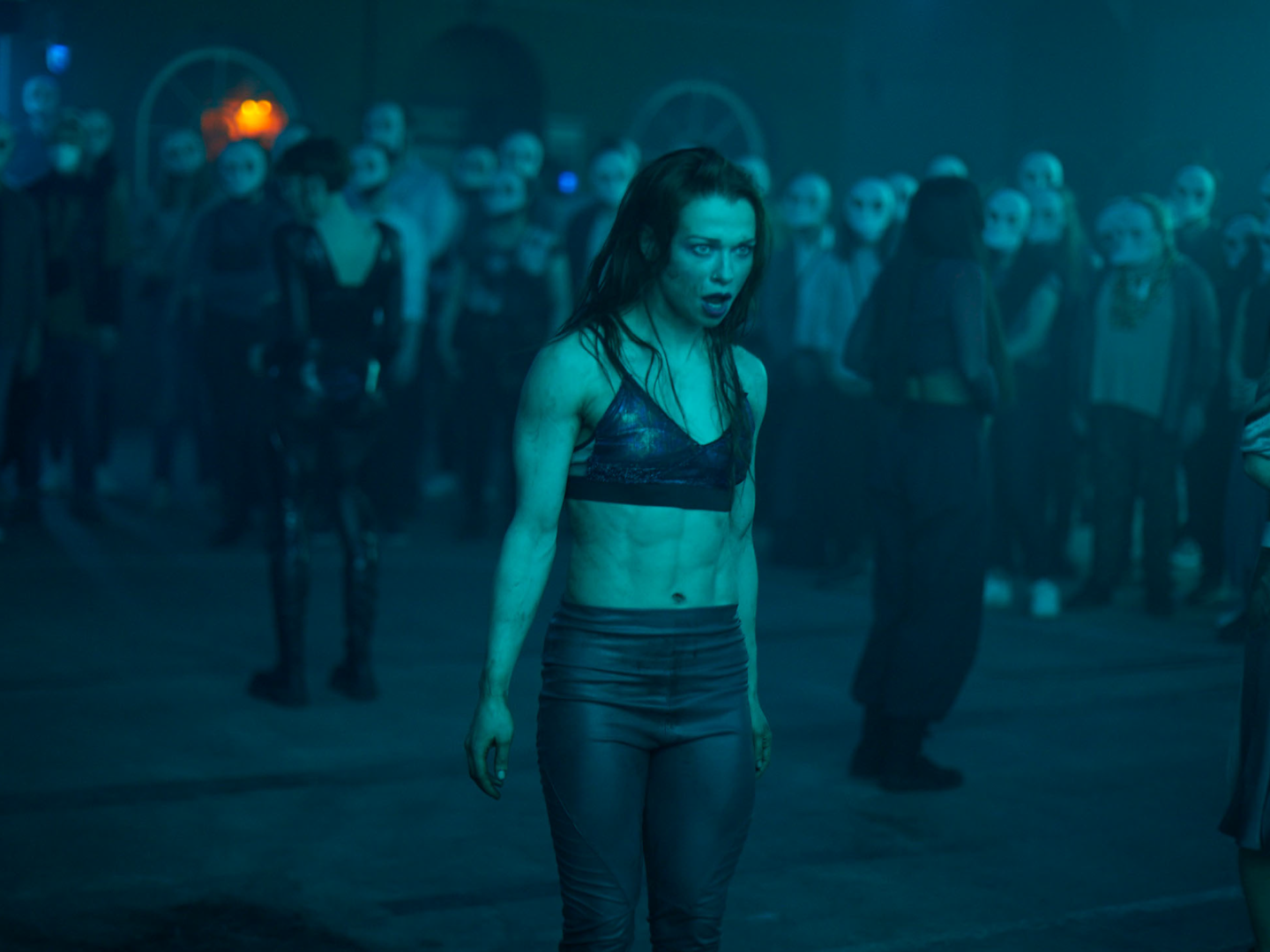
You hand over your phone. A stranger in a white mask presses a velvet bag into your palm. The door closes. You are alone in a warehouse the size of three football fields, and somewhere in the dark, a woman is singing in Ancient Greek.
This is The Burnt City by Punchdrunk. It opened in London in March 2026 and closed in November 2026, so you cannot buy a ticket today. But here is the problem: dozens of travel blogs, listicles, and TikTok videos still describe it as an active show. If you are planning a London trip in 2026 and searching for The Burnt City, you need accurate, current information — not recycled content from three years ago.
This article covers exactly what The Burnt City was, what made it different from other Punchdrunk productions, and — critically — what to do instead if you missed it. No affiliate links, no hype. Just the facts.
The Core Concept: Why Punchdrunk Built a Second Troy
Punchdrunk has been making immersive theatre since 2000. Their signature format is simple: audiences wear masks, walk freely through a multi-story set, and piece together a story by following performers, opening drawers, and reading letters left on desks.
The Burnt City was their largest production. It occupied 150,000 square feet at 1 Carpenter Street in Woolwich Arsenal, southeast London. The budget was roughly $12 million. The run lasted 20 months.
The show retold the fall of Troy — but not as a single narrative. The space was split into two parallel cities: Troy and Mycenae. You entered one of them, randomly assigned, and spent the evening exploring that city’s streets, temples, palaces, and ruins. Characters from both cities occasionally crossed over. If you visited multiple times, you could see the other half.
This dual-city structure was new for Punchdrunk. Previous shows like Sleep No More (New York) and The Drowned Man (London) used a single continuous set. The Burnt City forced you to accept that you were seeing maybe 40% of the content on any given night. That frustrated some visitors. Others loved the mystery.
The practical takeaway: If you want a single, complete story, immersive theatre is not for you. If you want to explore a world and find your own path, Punchdrunk is the best in the world at delivering that.
What a Ticket Actually Cost — and What You Got
Tickets for The Burnt City ranged from $55 to $120 depending on the day and time. Here is the breakdown of what that money bought.
| Ticket Tier | Price (USD) | What You Got |
|---|---|---|
| Standard entry | $55–$75 | 3-hour walk, one entry time, no extras |
| VIP entry | $95–$120 | Access to the Club Room (bar, seating, bathroom without queue), cloakroom included, a cocktail |
| Return visit | $45–$60 | Reduced price for repeat visitors, same experience |
The standard ticket was enough. The VIP add-on was worth it if you wanted a drink and a place to sit before or after. The Club Room had a 1920s aesthetic — velvet sofas, dim lighting, a pianist — and it helped you decompress from the intensity of the show.
One thing most guides get wrong: The $120 VIP ticket did not give you a better route through the show. You still wandered randomly. The premium was purely about comfort and atmosphere.
What the Masks Actually Do (and Why They Matter)
Every audience member wears a white Venetian plague doctor mask. This is not a costume. It is a tool.
Punchdrunk’s creative director Felix Barrett has explained the mask’s function in interviews. When you cannot see someone’s face, you stop reading their emotional reactions. You stop checking whether they are bored or confused. You become more present in the space.
The mask also anonymizes the audience. Performers cannot tell who is a first-timer and who is a regular. They treat everyone equally. This is critical because The Burnt City relied on one-on-one interactions. A performer might pull you into a side room, whisper a line in your ear, and close the door. Those moments were unscripted and unrepeatable. The mask made them feel private, even in a crowd of 300 people.
The failure mode: The masks are tight. They fog up. They press against your nose. If you wear glasses, they will slip. The venue was warm — around 75°F — and the three-hour walk is physically demanding. People have fainted. Drink water beforehand. Wear comfortable shoes. Do not wear a heavy coat; the cloakroom is mandatory anyway.
The Physical Space: Walking Distance, Stairs, and Accessibility
The Burnt City occupied a former munitions warehouse. The building had no natural light. The floors were concrete. The temperature varied by room.
The set included:
- Four floors of explorable space
- Over 100 rooms, each fully dressed with props, books, and handwritten notes
- A full-scale Trojan horse (you could walk inside it)
- A Mycenaean palace with a throne room, armory, and kitchen
- A nightclub (Troy had a functioning bar with real drinks)
- Rooftop areas with views of the Thames
Punchdrunk estimated the average visitor walked 3.5 miles during the three-hour loop. Stairs were unavoidable. There was no elevator. The venue was not wheelchair accessible.
For comparison: Sleep No More in New York has five floors and a similar walking distance, but its set is about 100,000 square feet. The Burnt City was 50% larger. If you have mobility issues, this production was not designed for you. Punchdrunk has stated they are working on accessibility for future shows, but as of 2026, their productions remain physically demanding.
What Happens If You Missed It — The Alternatives in 2026
The Burnt City closed on November 26, 2026. Punchdrunk has not announced a replacement London production. Here is what you can do instead.
Sleep No More in New York ($90–$150, McKittrick Hotel) — Still running. Same format, smaller space, Macbeth-based story. It opened in 2011 and shows no signs of closing. If you want the Punchdrunk experience, this is the closest active option.
The Burnt City archive — Punchdrunk released a limited-run photography book and a vinyl soundtrack. The book is sold out, but the soundtrack is available on streaming platforms. It captures the atmosphere without the walking.
Other immersive shows in London — The Wonderville (a cabaret-bar hybrid) and The Great Gatsby (a dinner-theatre adaptation) are both active in 2026. Neither matches Punchdrunk’s scale. The closest in ambition is probably Phantom Peak, a 70,000-square-foot steampunk town in Canada Water with actors and puzzles. Tickets start at $45.
The honest verdict: If you specifically want a Punchdrunk production, fly to New York. If you want a large-scale immersive experience in London, Phantom Peak or The Great Gatsby are your best options. Neither is a replacement. They are different formats.
Common Mistakes People Made Planning Their Visit
Based on reviews, Reddit threads, and conversations with former visitors, these were the most frequent errors.
Mistake 1: Arriving late. The show had strict entry windows. If your ticket said 7:00 PM, you needed to be at the door by 6:45. Late arrivals were turned away. No refunds.
Mistake 2: Expecting a linear story. The Burnt City had no narrative path. You followed characters, but they looped through the same scenes every 30 minutes. If you stood still, you saw the same thing twice. The show rewarded movement and curiosity.
Mistake 3: Trying to see everything. Impossible. The space was too large. The best strategy was to pick one character and follow them for an entire loop, then switch. Regulars who visited 10+ times still found new rooms.
Mistake 4: Ignoring the small details. Punchdrunk filled every drawer with objects. Letters had full text. Books were real. Some props contained clues about characters that were never performed. The show rewarded slow, careful exploration.
Mistake 5: Not booking a return visit. If you could afford two nights, the second visit was dramatically better. You knew the layout. You knew which characters were interesting. You could focus on the half of the city you missed the first time.
How The Burnt City Changed Immersive Theatre
The Burnt City was not just a show. It was a proof of concept for a new scale of immersive experience. Punchdrunk spent $12 million and sold roughly 150,000 tickets. At an average of $80 per ticket, that is $12 million in revenue — break-even on production costs alone, not including operating expenses.
The show ran for 20 months. That is short by Broadway standards. But it demonstrated that audiences will pay premium prices for interactive, non-linear experiences. Since The Burnt City closed, at least four new immersive venues have opened in London: Phantom Peak, The Wonderville, The Great Gatsby, and a Secret Cinema production of Stranger Things. All of them borrowed Punchdrunk’s model of mask-free, character-driven exploration.
The legacy is clear: immersive theatre is no longer a niche art form. It is a category of entertainment that competes with films, escape rooms, and theme parks. The Burnt City was the most ambitious example of that category to date. If Punchdrunk builds another show of this scale, it will likely be in a different city — Los Angeles, Tokyo, or Berlin — and it will probably be even larger.
For now, the burnt city is gone. The photographs and the soundtrack remain. And the model it proved is being replicated around the world.