I’ve visited Costa Rica seven times since 2016. The first trip cost me $2,400 for 10 days. The last one? $1,100 for two weeks. The difference wasn’t luck — it was knowing what the glossy brochures don’t print. Here’s the real breakdown.
The $1,200 Weekly Minimum Nobody Mentions
Most blogs say you can do Costa Rica on $50 a day. That’s a lie unless you camp and cook rice and beans. In 2026, budget travelers should plan for $1,200 per week minimum, including flights from the US.
| Expense Category | Low Budget (per day) | Mid-Range (per day) | High-End (per day) |
|---|---|---|---|
| Hostel dorm / basic hotel | $15–$25 | $40–$70 | $100+ |
| Meals (3 per day) | $12–$18 | $25–$40 | $60+ |
| Local transport (bus + shared shuttle) | $5–$10 | $15–$30 | $50+ (private driver) |
| Activities (1–2 per day) | $10–$25 | $30–$60 | $80–$150 |
| Total per day | $42–$78 | $110–$200 | $290+ |
The hidden costs: park entrance fees ($15–$18 per person per park), mandatory car insurance if renting ($15–$25/day), and the $29 exit tax (now usually included in airfare, but check).
I met a couple in Tamarindo who burned through $3,000 in 5 days. They didn’t budget for the 13% sales tax at restaurants or the $60 ATV rental that turned into $180 after insurance and guide fees. Read every receipt.
What Pura Vida Actually Costs You
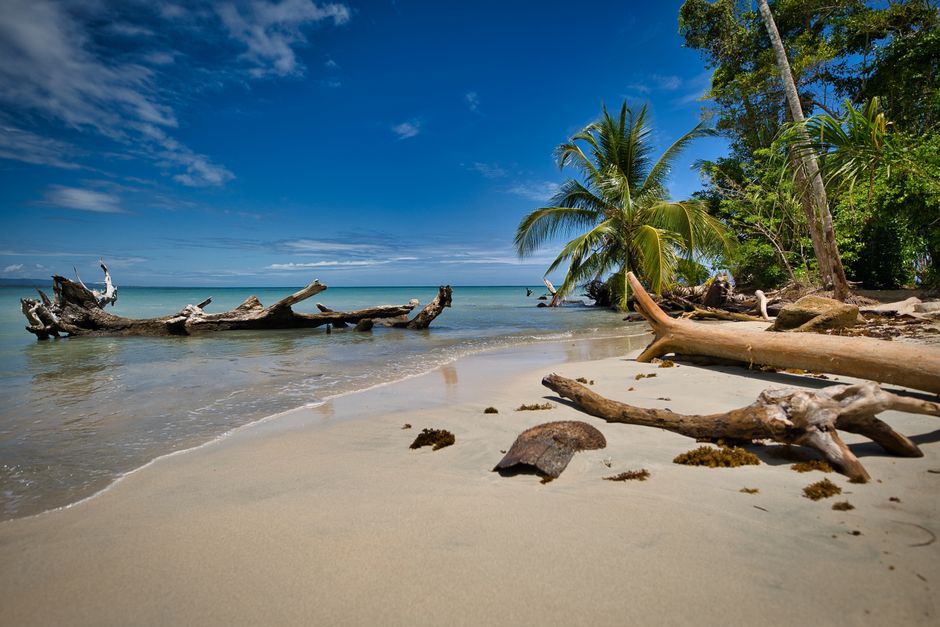
“Pura Vida” translates to “pure life.” Locals use it as hello, goodbye, and “chill out.” Tourists hear it as “everything is cheap and easy.” That mismatch causes the biggest disappointment.
Pura Vida is an attitude, not a price tag
Ticos (Costa Ricans) work hard — average wage is about $1,000/month. When someone says Pura Vida, they mean “don’t stress about what you can’t control.” It does not mean “I’ll be there in 5 minutes.” The bus might be 45 minutes late. The tour guide might reschedule at 6 AM. That’s Pura Vida. Accept it or book private tours with stricter companies like Desafio Adventure Company in La Fortuna.
The real cost of slow travel
Distances are short on maps, long on roads. San José to Manuel Antonio is 2.5 hours by car, 4+ hours by public bus with transfers. Monteverde to Tamarindo takes 5 hours on winding gravel roads. I wasted a full day moving between two destinations that were 80 km apart. Plan for half-day transitions, not quick hops.
My rule: never schedule more than 3 destinations in a 10-day trip. You’ll lose 30% of your time to travel.
Three Mistakes That Wrecked Other People’s Trips (So You Don’t Have To)
I watched these happen to real travelers. Learn from their receipts.
Mistake 1: Renting a car without a 4×4. A couple from Toronto rented a Hyundai Accent at SJO airport. The road to their Airbnb in Uvita was a 3-km unpaved hill with ruts 8 inches deep. They abandoned the car at the bottom and hiked with luggage. A proper 4×4 from Vamos Rent-a-Car costs $45–$65/day but saves you from that nightmare. The cheap rental at $25/day? You’ll pay double in stress.
Mistake 2: Booking the cheapest zipline. My friend paid $35 for a zipline in Monteverde. The cables were rusty, the harnesses smelled like mildew, and the guide spoke barely any English. The next day, she did Selvatura Park’s zipline for $50 — new equipment, English-speaking guides, and a free canopy walk included. The $15 difference bought safety and actual fun.
Mistake 3: Ignoring the rainy season. “Green season” is a marketing term. May through November means daily downpours from 2 PM onward. Roads flood. Tours cancel. You can still travel then — I did in October — but pack a real rain jacket ($40+ from Patagonia or Columbia), not a poncho. And book flexible cancellation policies. Booking.com and Airbnb both let you filter by free cancellation. Use it.
When NOT to Stay at an Eco-Lodge
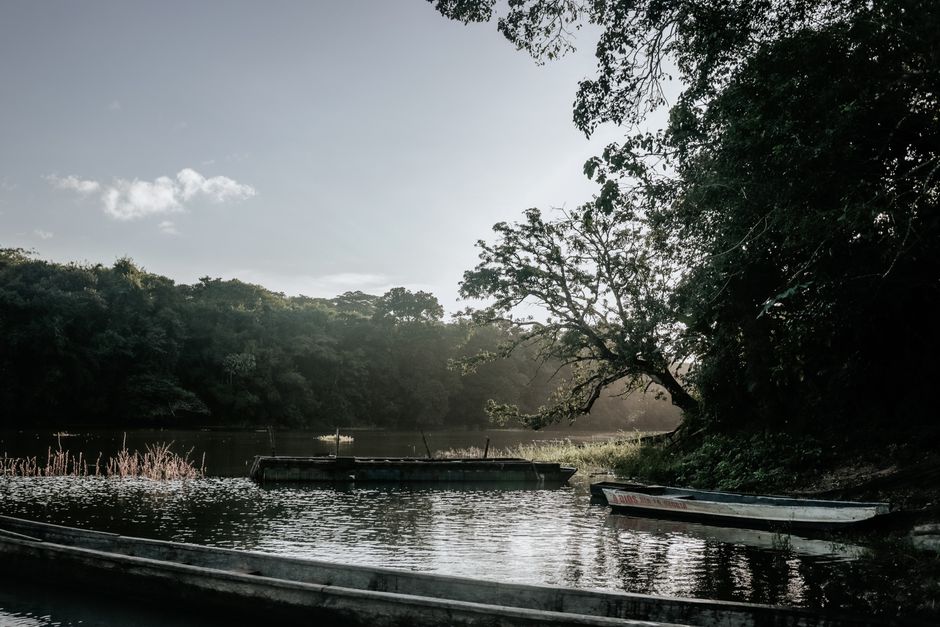
Eco-lodges sound noble. Some are. Others are $200/night shacks with no hot water and a compost toilet that smells like a crime scene.
I stayed at Lapa Rios Lodge in the Osa Peninsula — $450/night, open-air rooms, no AC, and a 20-minute hike to the nearest beach. It was incredible for wildlife (howler monkeys at 5 AM, toucans at breakfast). But my partner hated it. No AC at 32°C with 90% humidity. Mosquitoes. No reliable WiFi for her remote work. She wanted to leave after two nights.
When eco-lodges work: you’re a birder, photographer, or hardcore nature person. You don’t mind sweating. You’re okay with bucket showers and solar lights.
When to skip them: you want comfort, reliable WiFi, or air conditioning. Book a mid-range hotel with green certifications instead — Hotel El Establo in Monteverde ($90/night) has AC, hot water, and a reforestation program. Same eco-ethos, less suffering.
The tradeoff is real: comfort vs. immersion. Know which you want before you book. Don’t let Instagram convince you that an open-air bungalow is romantic. It’s also buggy, loud, and hot.
The Only Itinerary That’s Worked for 90% of My Trips
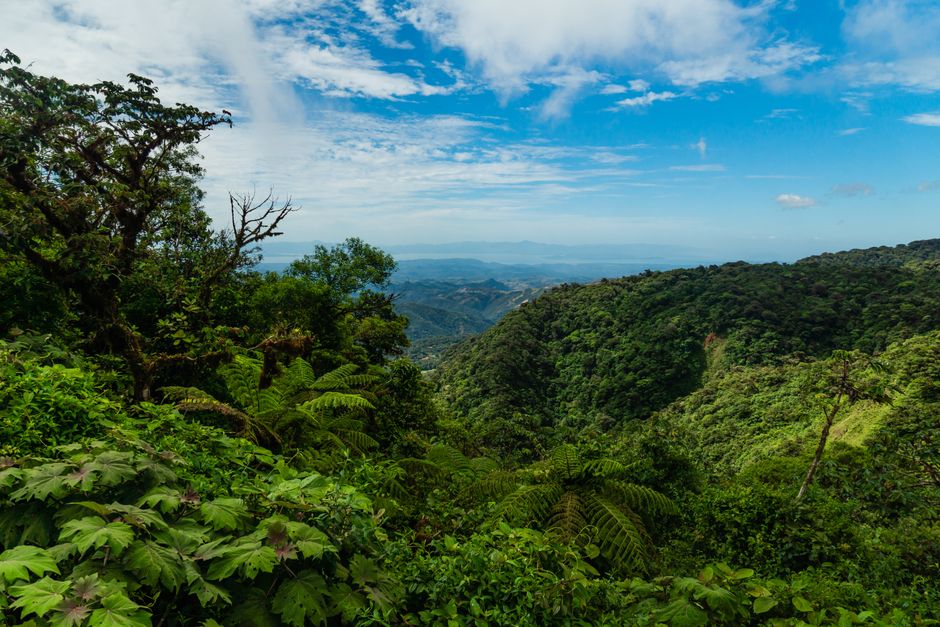
After seven visits, this 12-day loop is the one I recommend most. It balances cost, travel time, and variety.
- Days 1–3: La Fortuna / Arenal Volcano. $40–$60/night for decent hotels. Hike the 1968 trail ($15 entry), soak in free hot springs at the river near Tabacón. Skip the $80 resort hot springs.
- Days 4–6: Monteverde. 3.5-hour shuttle from La Fortuna ($25). Cloud forest hikes ($25 entry). Night walk ($35) — saw a sleeping toucan and a tarantula. Worth it.
- Days 7–9: Manuel Antonio. 4-hour bus ($10). National park ($18 entry) — go at 7 AM opening to beat crowds. Stay in Quepos, not the expensive hotels right at the park entrance.
- Days 10–12: Tamarindo or Samara. 5-hour bus ($15). Surf lessons ($40/2-hour group class). Sunset catamaran ($65 with dinner and drinks).
Total cost for this itinerary: $1,100–$1,500 per person including accommodation, food, transport, and activities. Flights from the US add $350–$600. That’s the real budget.
One last thing: carry small bills. $5 and $10 colones notes. Many places “don’t have change” for $50 or $100 bills. I’ve seen travelers overpay by $20 because the taxi driver claimed he couldn’t break a $20. Pura Vida means being prepared, not being careless.