You have three kids, two suitcases, and one very specific request from your partner: “I want to stay somewhere that feels Italian, not like a Holiday Inn.”
You start searching. Airbnb shows you a restored farmhouse in Tuscany with a private pool. A boutique hotel in Florence promises a rooftop terrace and a concierge who can get you into the Uffizi without queuing for two hours.
Which one do you book?
I’ve traveled through Italy with my own family six times. I’ve stayed in both. Here’s the real breakdown of what works — and what doesn’t — for a family trip in 2026.
What an Airbnb Gives You That a Hotel Can’t
Space and a kitchen. These are the two biggest reasons families choose Airbnb.
A typical boutique hotel room in Italy is 20–25 square meters. That’s tight for a family of four. An Airbnb apartment in the same city center often gives you 50–70 square meters, plus a separate bedroom for the kids.
The kitchen matters more than you think. Breakfast in Italy costs €8–15 per person at a café. A family of four spends €40–60 every morning. With a kitchen, you buy fresh bread, prosciutto, and fruit at a local market for €15. That’s a savings of €300–500 over a week-long stay.
But there’s a trade-off. Airbnb hosts in Italy vary wildly. Some leave you a bottle of wine and a handwritten guide. Others are remote, slow to respond, and the Wi-Fi code is buried in a confusing email.
I once booked an Airbnb in Rome that listed “air conditioning.” It was a single portable unit in the living room. The bedroom was 30°C at night. My kids didn’t sleep. Neither did I.
When Airbnb Fails
The biggest failure mode for families is check-in logistics. Many Italian Airbnbs require you to meet a host in person. If your flight arrives late, or you get lost in a narrow alley, you’re stuck. Hotels have a 24-hour front desk.
Second: no daily cleaning. With kids, the apartment gets messy fast. You’ll be sweeping crumbs off the floor yourself.
What a Boutique Hotel Gives You That an Airbnb Can’t

A concierge who solves problems before you know they exist.
That sounds like marketing fluff. It’s not. In Italy, where many museums require timed tickets booked days in advance, a good concierge is worth the room rate alone.
Last year, I stayed at Hotel Palazzo Guadagni in Florence. The front desk called the Uffizi, got us skip-the-line tickets for the next morning, and arranged a private driver to the Chianti region. Total time spent on my end: zero.
Breakfast is included. Not just a croissant and coffee — a proper Italian breakfast buffet with eggs, fresh pastries, yogurt, and fruit. For a family, that saves 30 minutes every morning and €50 per day.
And noise. Boutique hotels in Italy are often converted palazzos with thick stone walls. You hear less street noise than in a typical apartment rental.
When the Hotel Falls Short
Space is the obvious issue. Most boutique hotels don’t have family suites. You book two connecting rooms, which doubles your cost.
And there’s no washer. After three days, you’re hand-washing socks in the sink.
Cost Comparison: Airbnb vs. Boutique Hotel for a Family of Four in Italy (2026)
| Expense | Airbnb (7 nights) | Boutique Hotel (7 nights) |
|---|---|---|
| Accommodation | €1,200–€2,500 | €2,100–€4,200 |
| Breakfast (4 people) | €105 (groceries) | €0 (included) |
| Dinner (eat in vs. out, 3 nights) | €60 (groceries) | €210 (restaurants) |
| Laundry | €0 (in-unit) | €50–€100 (hotel service) |
| Concierge/skip-the-line tickets | €30–€80 (booking fees) | €0 (included) |
| Total estimated cost | €1,395–€2,745 | €2,360–€4,510 |
The Airbnb is cheaper — often by €1,000 or more. But that gap shrinks fast if you eat out every night or book last-minute tickets.
The Verdict: Pick Based on Your Itinerary, Not Your Budget
Here’s the rule I use.
Choose an Airbnb if: you’re staying in one place for 4+ nights, your kids need separate bedrooms, and you plan to cook some meals. The space and washer make long stays manageable.
Choose a boutique hotel if: you’re moving cities every 2–3 days, you want local advice, or you’re visiting during peak season (May–September). The concierge alone will save you hours of frustration.
I’ll be direct: for a first-time family trip to Italy, I recommend the boutique hotel. The margin for error is smaller. If your kids are tired and cranky, the front desk can help. An Airbnb host cannot.
But for a return trip, when you know the rhythm of Italian cities, an Airbnb gives you the freedom to live like a local — and save real money.
Common Mistakes Families Make When Booking
Mistake #1: Not checking the AC type. Italian summer heat is brutal. Ask if the unit is central or a single window unit. If the listing says “portable AC,” assume it won’t cool the whole apartment.
Mistake #2: Booking a hotel without checking for family rooms. Many boutique hotels only have double rooms. You’ll end up paying for two rooms or squeezing into one. Call ahead.
Mistake #3: Ignoring the ZTL zones. Most Italian city centers restrict car traffic. If you’re driving, your Airbnb might be inside a ZTL (Zona a Traffico Limitato). The fine is €100–€300 per entry. Hotels usually register your plate. Airbnb hosts often don’t.
Mistake #4: Not confirming the elevator. Italy has many walk-up buildings. A third-floor apartment with no lift and a stroller is a nightmare. Confirm before you book.
Which Option Wins for Your Family?
Let’s go back to that opening scene.
You have three kids, two suitcases, and a partner who wants an Italian experience. You’re spending a week in Florence, then three days in Rome.
For the Florence week: book an Airbnb near the Oltrarno district. You’ll have space, a kitchen, and a washer. The neighborhood feels authentic, not touristy.
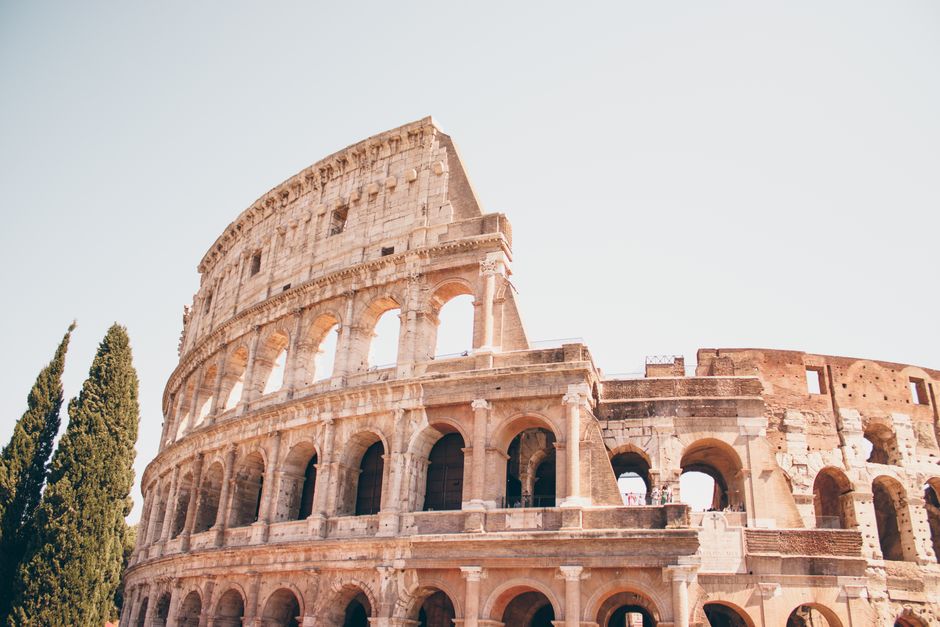
For the Rome leg: book a boutique hotel near Piazza Navona. The concierge will get you into the Colosseum without a two-hour wait. The included breakfast will fuel your morning walk to the Vatican.
That hybrid approach — Airbnb for slow stays, hotel for fast transitions — is the smartest move for a family trip to Italy in 2026.