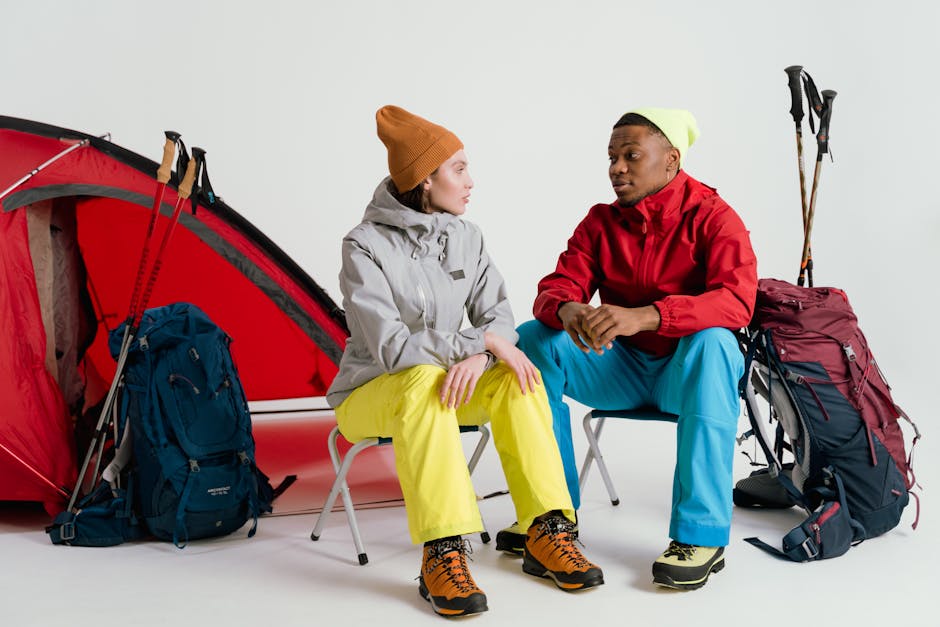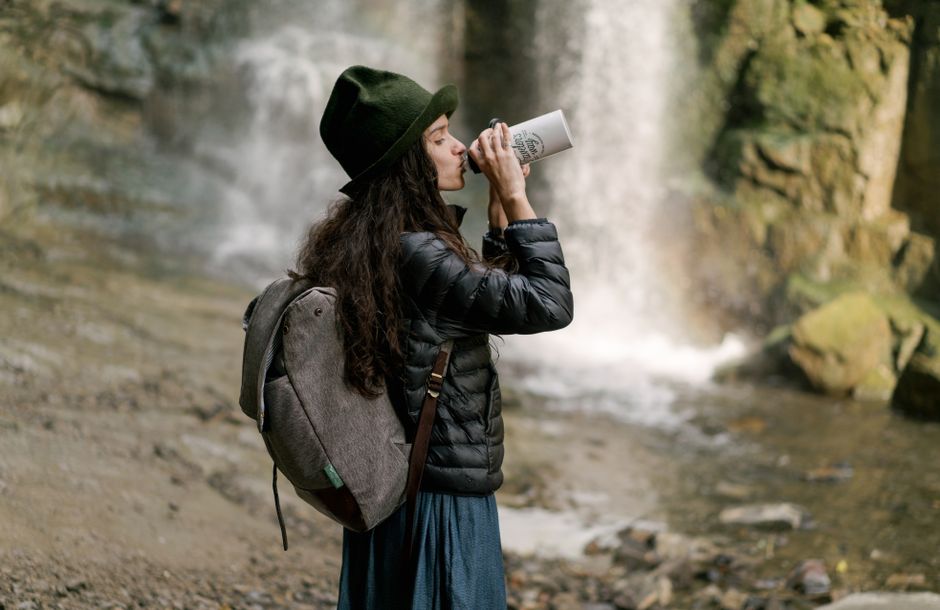
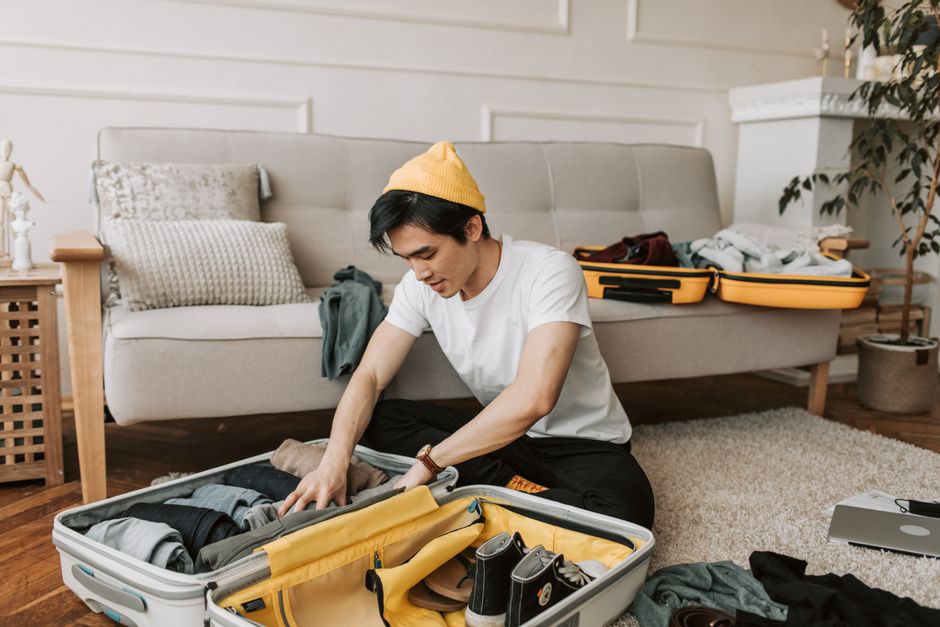
Shoulder season can ask a lot of your clothes: a cool start, a warm afternoon, a breezy waterfront and an evening spent outside longer than expected. Packing a versatile travel wardrobe for shoulder season means preparing for those changes without bringing a separate outfit for every possibility. The useful starting point is a small collection of clothes that work together, with layers you can add, remove and carry comfortably. Focus on the conditions and activities of your own trip, then build outfits that can adjust as the day unfolds.
Define the weather range you actually need
Shoulder season describes the period around a destination’s busiest travel season; it does not promise mild weather. A coastal break, an inland city visit and a mountain stay can require very different wardrobes. Even within one itinerary, altitude, wind and time spent outdoors can change what feels comfortable.
Before choosing clothes, look at typical conditions for each stop through an official meteorological service. As departure approaches, check its current forecast and any relevant weather warnings. Think beyond daytime temperature: cool evenings, persistent rain and exposed ferry decks can matter more to your packing choices than a pleasant afternoon forecast.
- Identify the coolest conditions in which you expect to spend meaningful time outside.
- Consider whether rain is likely to be a passing interruption or something you will walk through.
- Separate ordinary sightseeing from activities that need specialist clothing.
- Account for how easily you can return to your accommodation to change.
Choose a palette that makes getting dressed easy
Start with clothes you already enjoy wearing together. Two compatible base colours and a few brighter pieces can create plenty of variety, but there is no need to make everything neutral. The practical test is whether each top works with your chosen bottoms and whether your outer layers fit over those combinations.
Lay everything out and assemble complete outfits. A lovely shirt that only suits one pair of trousers may earn its place for a planned occasion; several such pieces make the wardrobe harder to use. Aim for combinations you would happily wear while sightseeing, sitting on a train and having an informal dinner.
Build layers with separate jobs
A comfortable next-to-skin layer
Choose tops that feel comfortable on their own and beneath something warmer. A mixture of short and long sleeves gives you flexibility. Check necklines, sleeve bulk and transparency at home, rather than discovering that a favourite top bunches awkwardly beneath your jumper once you are away.
Fabric choice should match your comfort and washing plans. Merino can suit repeat wear if your skin tolerates it; synthetic blends often dry readily; cotton can feel pleasant in dry, mild conditions but may stay damp after rain or washing. Read care labels and favour materials whose behaviour you already know.
An adjustable warmth layer
A cardigan, fleece or light jumper can bridge the gap between a cool morning and a comfortable afternoon. Choose something that fits beneath your jacket without restricting your shoulders. A front opening can make temperature adjustments easier when you move between streets, public transport and heated interiors.
If your route includes colder conditions, consider whether a compact insulated layer has a clear role. Try the whole combination on together. Several individually thin garments can still feel bulky when their sleeves and seams overlap.
An outer layer for wind and rain
Choose your jacket around the exposure you expect. For extended wet walks, look for a waterproof shell with suitable seams, a practical hood and enough room for your warmer layer. A water-resistant jacket may suit brief light showers but can be inadequate for sustained rain. Check the manufacturer’s description and care guidance.
Make sure the jacket is comfortable when carried as well as worn. Practise folding it into your day bag, and check that the hood works without blocking your view. If using an umbrella, consider whether it will be manageable on windy streets or while handling luggage.
Make bottoms and footwear work across the day
Pack bottoms that stay comfortable through sitting, walking and changes in temperature. Trousers with a little flexibility can be useful, while a skirt or dress may work well with tights and a warm layer. Jeans are perfectly reasonable if you like them, though their weight and drying time deserve consideration on a wet itinerary.
Footwear should suit the surfaces and weather you expect. Use a familiar walking pair as your starting point, then add another pair only when it serves a distinct purpose, such as a dressier event or a different activity. Check that your socks fit comfortably inside each pair. Trying the combinations on stairs and during a longer walk is more useful than judging them in a mirror.
Use a sample wardrobe as a starting point
For a trip with access to laundry, the following clothing mix can provide a useful framework. Adjust it for your temperature preferences, trip length and activities. It is an outfit system, so count what you wear on the journey as part of the total.
- Several everyday tops, including both short and long sleeves.
- Two interchangeable bottoms, with an optional dress or additional bottom for a specific need.
- One versatile jumper, cardigan or fleece.
- One outer layer suited to the expected wind and rain.
- A familiar walking pair of shoes and an optional second pair with a defined purpose.
- Underwear, socks and sleepwear matched to your laundry schedule.
- A small selection of accessories for warmth or sun exposure.
Test the same outfit three ways: for a cool morning, a warmer afternoon and dinner. Removing a jumper, changing a top or adding a scarf should be enough for many ordinary travel days. If every transition requires an entirely different outfit, reconsider which pieces are doing useful work.
Plan for washing and damp clothes
Your wardrobe’s flexibility depends partly on how you will refresh it. Check whether your accommodation offers laundry facilities or whether you can use a local laundrette. Handwashing may help with small items where permitted, but drying space and ventilation can be limited. Do not build your plan around thick clothing drying overnight.
Keep a clean outfit available while other pieces are being washed. Pack a simple bag to separate worn or damp items during transfers, then unpack damp clothing promptly when you arrive. Follow care labels, especially for wool and waterproof garments, and avoid putting wet items against clean clothes.
Do a final rehearsal before closing the bag
Dress for the coolest ordinary day you expect, including your jacket, then move around and carry your day bag. Remove layers and make sure they fit inside it. Add the small things that make those outfits usable: suitable socks, a belt if needed, and a scarf or light hat if the conditions warrant them.
Give every remaining garment a specific job. Keep the pieces that help you adjust to changing conditions and remove extras that repeat the same function without adding comfort. Leave your daily layers accessible during travel, and check current weather details with official sources before departure. You will arrive with a wardrobe you understand and combinations ready for whatever the day reasonably brings.