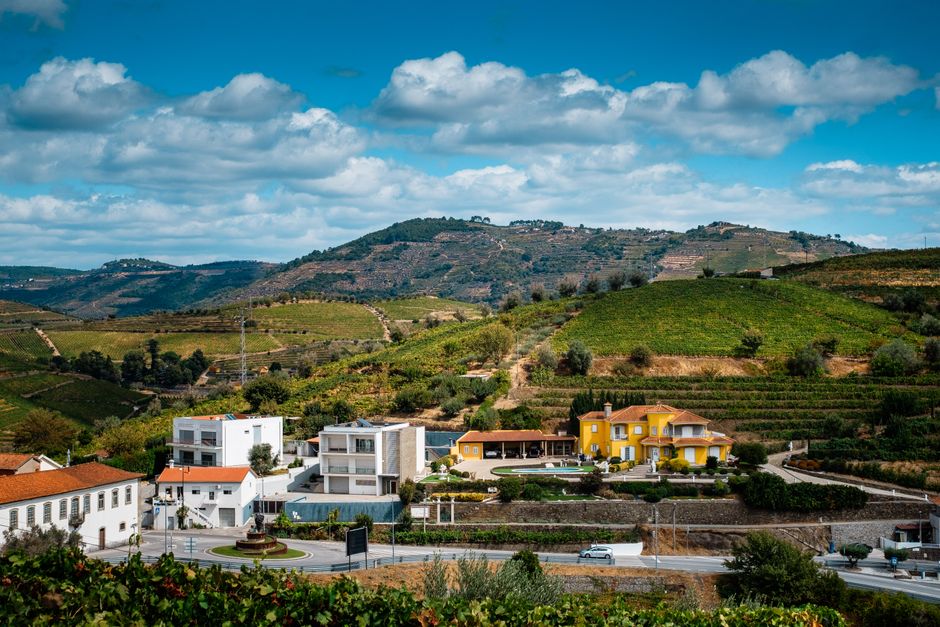
Harvest brings a particular energy to Portugal’s Douro Valley. On the steep vineyard slopes, grapes move from rows of vines towards busy winery buildings, while the river winds below terraces and hillside villages. Visiting during the vindima, the Portuguese word for grape harvest, gives you a chance to understand the work behind the landscape. The most rewarding trip combines one carefully arranged estate visit with time to explore the valley at an unhurried pace.
You do not need expert wine knowledge to enjoy it. Curiosity, comfortable shoes and realistic transport plans matter more. Treat the harvest as an agricultural season with changing conditions, and you can build a visit that remains enjoyable even if picking has finished at your chosen estate.
Choose your timing around the harvest itself
Late summer and early autumn are the broad planning window, but there is no single harvest date across the Douro. Grape varieties, elevation, weather and the style of wine being made all influence when a vineyard is picked. An estate on one slope may be busy while another has already moved on to fermentation.
Before committing to an activity, contact the estate directly and ask what is likely to be happening during your stay. Distinguish between seeing working harvest operations and joining a visitor programme. A seasonal experience might include a vineyard explanation, a meal or grape treading without any grape picking. Ask what happens if the harvest advances early or weather changes the programme.
Leave some flexibility in your plans. Book the experience that matters most first, then arrange nearby activities around it. Avoid filling every gap with another tasting: harvest work can affect access, and the valley deserves time beyond winery doors.
Pick a base that suits your transport
Pinhão for a compact riverside stay
Pinhão sits beside the Douro, surrounded by vineyard slopes, and works well as a focus for a short visit. Its railway station, waterfront and setting make it an appealing place to spend time between excursions. Staying in the village can simplify meals and departures, although an estate described as being near Pinhão may still require a vehicle to reach.
Peso da Régua for connections and context
Peso da Régua is another practical base on the railway and river. It has a more substantial town feel and is home to the Museu do Douro, where you can explore the region’s landscape and wine culture. A museum visit can provide useful context before you head into the vineyards, especially if you are unfamiliar with how the Douro developed.
A rural estate for immersion
Staying at a quinta, or wine estate, can bring you closer to the agricultural setting. Check the practical details before booking: whether meals are available, how you will arrive, and whether the accommodation includes any winery activities. A beautiful hillside location can also mean that dinner elsewhere requires a planned transfer.
Plan the journey beyond the railway station
The Douro railway offers a scenic approach from Porto, with river views along parts of the journey. Check current services, disruptions and return options with CP, Portugal’s railway operator. Choose your actual arrival station before arranging an estate visit, and allow time between the train and your appointment.
The last stretch is often the important one. A vineyard that looks close on a map may sit far above the river along winding roads. Do not assume that a station taxi will be waiting or that a rural road is suitable for walking. Confirm an estate transfer or arrange a driver in advance, including the return journey.
A car offers flexibility for villages and viewpoints, but narrow bends and steep approaches require attention. Keep the day’s route compact, use designated parking and allow working vehicles to pass safely. If wine tasting is part of your plans, arrange a driver who will not drink or book transport. Avoid building a day that depends on rushing between distant appointments.
Choose one harvest experience thoughtfully
A good visit should help you understand what you are seeing. Look for a clear description of the vineyard walk, production areas and any hands-on activities. Ask whether the experience focuses on port, unfortified Douro wines or both. These offer different ways to understand the same region.
Some visitor programmes offer grape treading in lagares, the shallow tanks traditionally associated with winemaking. Participation is not universal, and access may change with production needs. If this is your main reason for travelling, obtain a clear explanation of what is included before booking.
- Ask which activities are confirmed and which depend on harvest conditions.
- Check walking surfaces, steps and the availability of seated breaks.
- Explain dietary needs when arranging a meal.
- Ask about arrangements for children and people who do not drink alcohol.
- Confirm the meeting point, language and transport requirements.
During the visit, follow staff instructions and remain within permitted areas. Harvest equipment, vehicles and winery floors belong to a working environment. Ask before photographing workers, and never enter a row of vines or pick fruit without an invitation.
Make room for the landscape and villages
The valley becomes more memorable when you stop treating it as a sequence of tastings. Spend part of a day by the river, explore Pinhão’s station tile panels, or choose a village visit with enough time to walk slowly and pause in a square.
Provesende, above the river, offers a different perspective from the waterfront. Favaios connects wine culture with a village setting and a tradition of breadmaking. Choose one excursion that fits your route instead of trying to collect several places in a single afternoon. Check access and visitor information through official tourism sources before setting out.
A river excursion can also provide a welcome change of pace. Confirm its departure point, duration and cancellation arrangements directly with the operator. If you prefer walking, ask locally about suitable public routes. Vineyard tracks are not automatically public paths, and attractive slopes may have little shade or difficult footing.
Pack for a working vineyard visit
Bring shoes with reliable grip for uneven ground, sun protection, a refillable water bottle and a light layer. Conditions can feel different between an exposed terrace and a shaded riverside spot. A compact waterproof layer is useful if rain is possible; check the forecast shortly before departure.
Wear clothes you can move in comfortably. If your programme includes picking or treading, ask the organiser what footwear, clothing or spare items are required. Travellers with limited mobility should request specific information about gradients and surfaces rather than relying on a general description of accessibility.
A relaxed way to shape your stay
For a short break, use your arrival day to settle into your base and explore nearby. Make the next day your main harvest visit, with transport and lunch arranged together where practical. Save a village, museum or river outing for the remaining time, choosing according to weather and energy.
Before travelling, reconfirm the harvest programme with the estate, railway details with CP and local access information with official tourism offices. Then leave some space in the day. Watching the valley at work, understanding a little of its wine culture and enjoying the river between appointments can be more satisfying than squeezing in another stop.