You have seven days in Kyoto. You want to see the temples, eat the food, ride the trains — without spending like a backpacker or a CEO. This itinerary is built for that middle ground. Real numbers. Real schedules. No filler.
How This Itinerary Is Structured
Each day targets one geographic area. You move from north to south and east to west. This saves transit time and keeps your legs fresh.
Mid-range here means ¥12,000–¥15,000 per person per day (about $80–$100 USD). That covers accommodation, three meals, temple entries, and local transport. No luxury hotels. No capsule dorms.
Day 1: Arrival and Southern Higashiyama
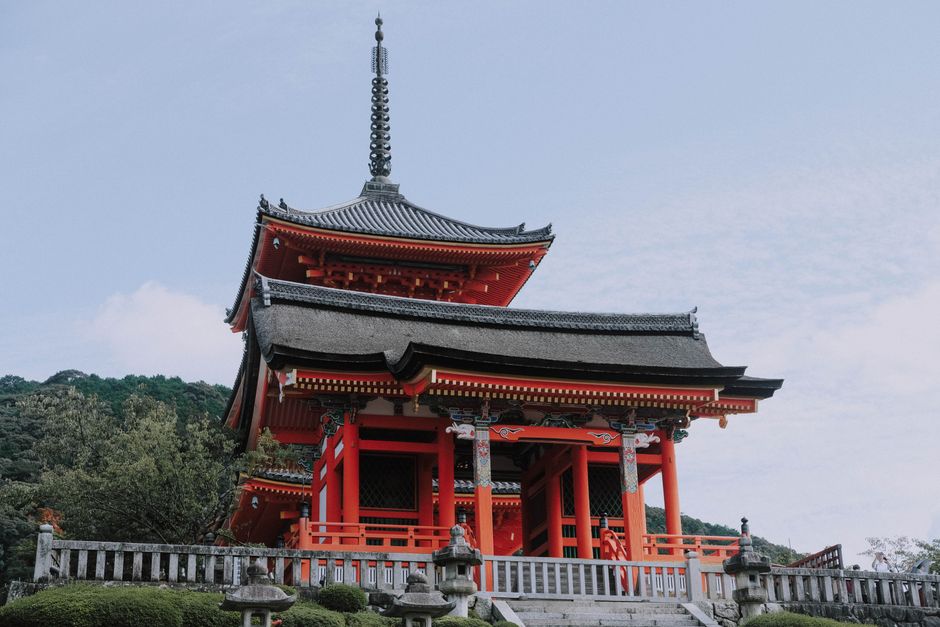
Morning: Kiyomizu-dera and Sannenzaka Slope
Start at Kiyomizu-dera (¥500 entry). Arrive by 8:00 AM to beat the crowds. The wooden stage gives you a city-wide view. Walk down the Sannenzaka and Ninenzaka stone paths. These streets are packed by 10:00 AM.
Afternoon: Yasaka Shrine and Maruyama Park
Walk 15 minutes north to Yasaka Shrine (free). Then cross into Maruyama Park. In spring, the weeping cherry tree here is the main draw. Grab lunch at a nearby okonomiyaki shop — expect ¥1,200–¥1,500 per person.
Evening: Gion District
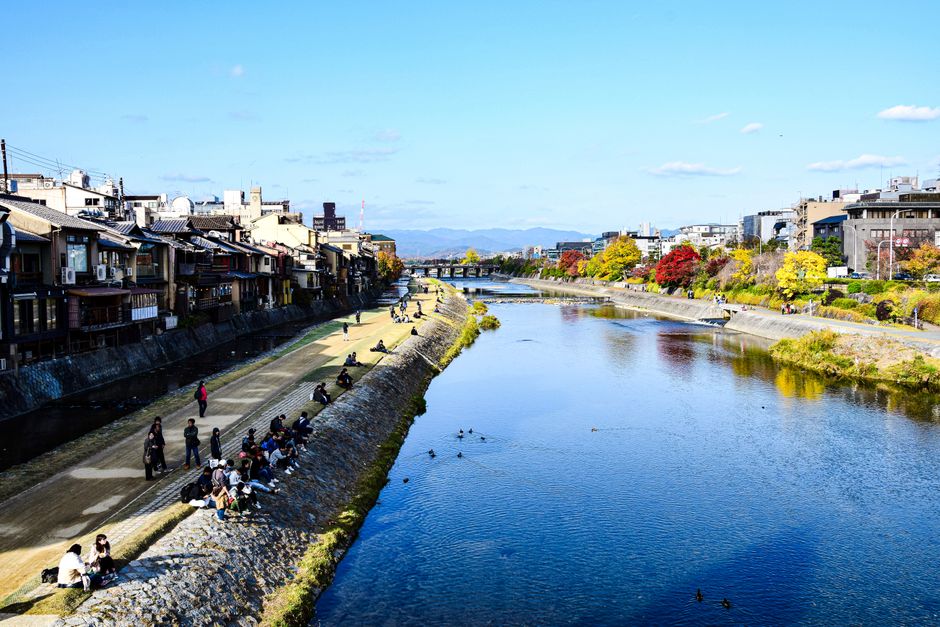
Gion is best at dusk. Walk along Shirakawa Canal. You might see a geiko or maiko walking to an appointment. Do not block their path or take photos without permission. Dinner at a kaiseki restaurant runs ¥5,000–¥8,000. Skip it if your budget is tight — a bowl of ramen at Men-ya Inoichi (¥1,100) is just as good.
Day 2: Northern Kyoto and Kinkaku-ji
This day is temple-heavy. Wear good shoes.
| Time | Activity | Cost (¥) |
|---|---|---|
| 8:00–9:30 | Kinkaku-ji (Golden Pavilion) | 500 |
| 10:00–11:30 | Ryoan-ji (rock garden) | 600 |
| 12:00–13:00 | Lunch near Kinkaku-ji | 1,200 |
| 13:30–15:00 | Ninna-ji temple | 500 |
| 15:30–17:00 | Kitano Tenmangu shrine | free |
Kinkaku-ji is the most photographed building in Kyoto. Go early. The gold leaf reflects best in morning light. Ryoan-ji has a famous rock garden. Sit on the veranda for 10 minutes. Do not rush it.
Lunch tip: Udon at Yamamotomenzou near Kinkaku-ji costs ¥900 and fills you up. Skip the tourist restaurants near the temple gates.
Day 3: Arashiyama — Bamboo, Monkeys, and River Views
Arashiyama is a full-day trip. The bamboo grove is free, but it gets slammed by 9:00 AM. Arrive at 7:30 AM. You’ll have the path to yourself for about 30 minutes.
Morning: Bamboo Grove and Tenryu-ji
Walk the Bamboo Grove (free). Then enter Tenryu-ji (¥600). The garden behind the main hall is better than the bamboo path. Most tourists skip it.
Afternoon: Iwatayama Monkey Park
The hike up to Iwatayama Monkey Park (¥600) takes 20 minutes. Steep but short. At the top, you feed monkeys from inside a hut. The view of Kyoto from the summit is worth the climb.
Evening: Togetsukyo Bridge and Dinner
Cross Togetsukyo Bridge at sunset. Dinner at Yoshimura Soba (¥1,500 for a set meal). Their soba is made fresh daily.
Day 4: Fushimi Inari and Southern Kyoto
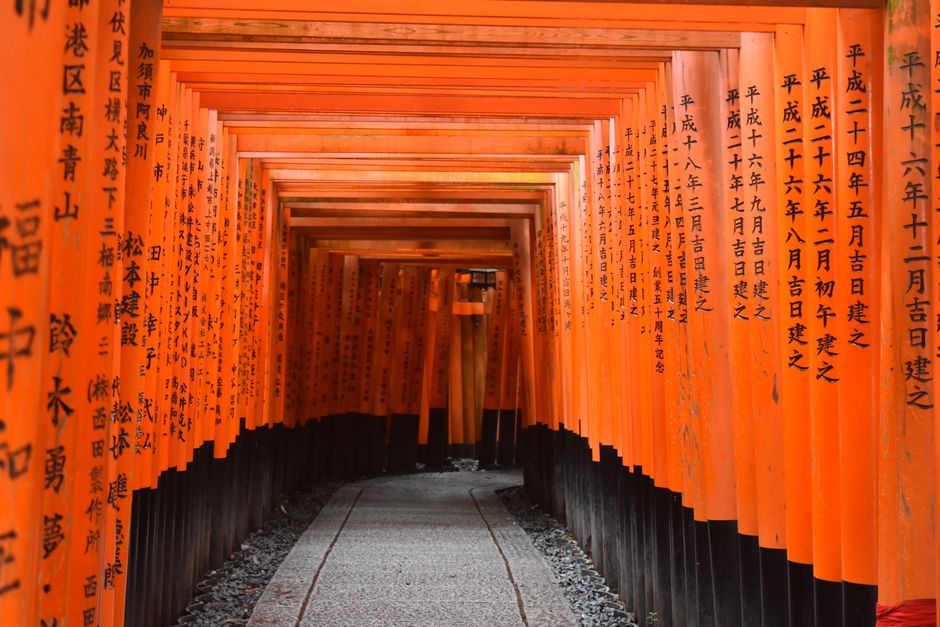
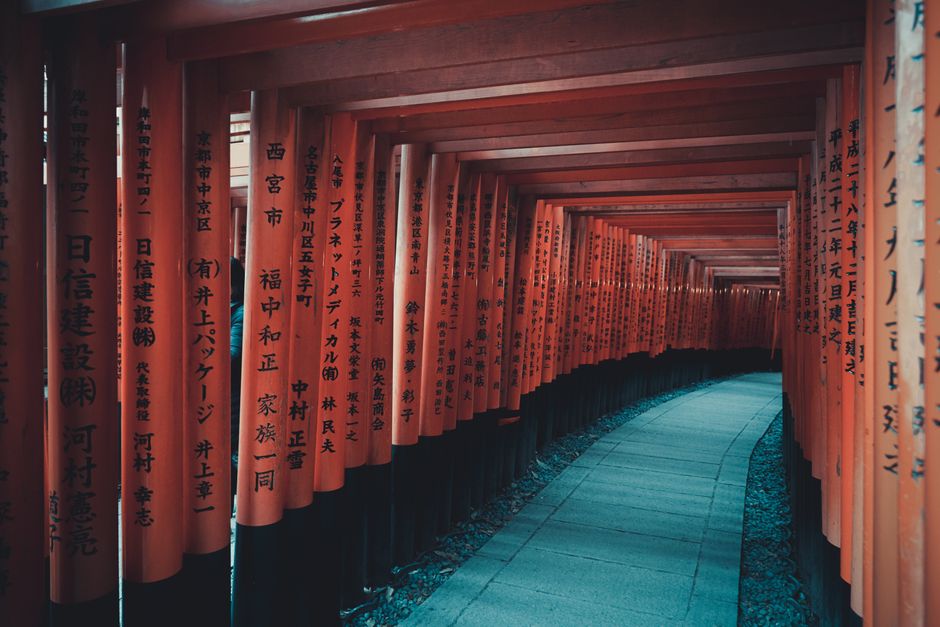
Fushimi Inari Taisha is free and open 24 hours. The thousands of red torii gates are iconic. Hike the full 4-kilometer loop. It takes 2–3 hours. Most tourists only go to the first viewpoint and turn back. You will not be most tourists.
After the hike, take the Keihan Line one stop to Fushimi Momoyama. Visit Gokonomiya Shrine (free). It’s quiet and has a natural spring where you can drink the water.
Lunch at Iseya in Fushimi — their unagi (eel) over rice costs ¥2,200. It’s a splurge, but it’s the best eel in southern Kyoto.
Day 5: Philosopher’s Path and Eastern Temples
The Philosopher’s Path is a 2-kilometer walk along a canal lined with cherry trees. In April, it’s packed. In October, it’s peaceful. Start at Ginkaku-ji (Silver Pavilion, ¥500) and walk south.
Along the path, stop at Honen-in (free) and Nanzen-ji (¥600). Nanzen-ji has a massive aqueduct you can walk under. Most people miss it.
End at Eikando (¥600). Their autumn foliage is among the best in Kyoto. If you’re visiting in November, this is non-negotiable.
Day 6: Nishiki Market, Pontocho, and a Cooking Class
Morning at Nishiki Market (free entry). This is a covered food market with 130 stalls. Try yuba (tofu skin) skewers for ¥300, tako tamago (octopus with quail egg) for ¥400, and matcha soft serve at Matcha House for ¥500.
Afternoon: book a cooking class at Kyoto Cooking Circle (¥5,000 per person, 3 hours). You’ll make miso soup, tempura, and sushi. The class is in English. You eat what you cook.
Evening: walk Pontocho Alley. It’s narrow, lit by lanterns, and lined with tiny restaurants. Yakiniku (Korean BBQ) at Pontocho Robatayaki costs about ¥4,000 per person. Share three plates and you’re full.
Common Mistakes and How to Avoid Them
Mistake #1: Buying a JR Pass for Kyoto itself. The JR Pass does not cover Kyoto’s buses or the subway. It only covers the Shinkansen and some JR local lines. For a 7-day trip focused on Kyoto, a Kyoto City Bus One-Day Pass (¥700) is cheaper.
Mistake #2: Staying near Kyoto Station. It’s convenient but charmless. Stay in Higashiyama or Gion. You’ll walk to temples and eat better. Budget ¥8,000–¥12,000 per night for a mid-range ryokan or business hotel like Solaria Nishitetsu or Citadines Karasuma-Gojo.
Mistake #3: Over-scheduling. Two temples per day is enough. Three is a grind. Four will make you hate Kyoto. Build in 90 minutes of “nothing” time each afternoon. Sit in a park. Drink a vending machine coffee. Breathe.
Mistake #4: Eating near major temples. The food is overpriced and mediocre. Walk 10 minutes into a side street. Ramen at Gion Duck Noodles (¥1,200) is a 12-minute walk from Kiyomizu-dera and infinitely better than anything on the main strip.