
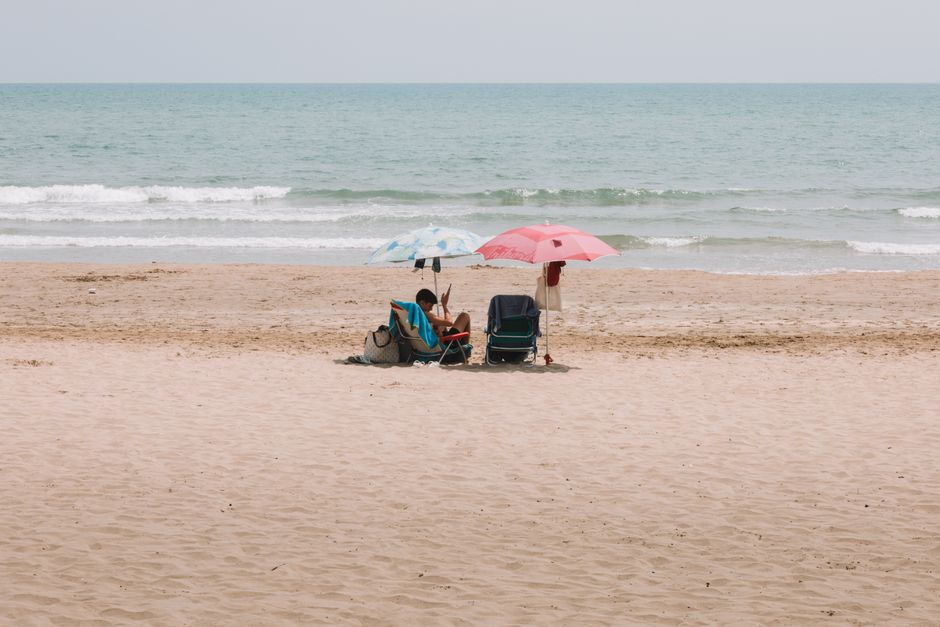
Staying safe in the sun on summer holidays starts with how you arrange your day. A beach afternoon, an exposed archaeological site and a long waterfront walk can all involve more sunshine than you expect. With a little planning, you can enjoy outdoor time without making every outing a test of endurance. Think about shade, clothing and places to pause before leaving your accommodation, then keep your plans flexible enough to change when conditions demand it.
Plan around the sun and the forecast
A cool breeze can make a sunny terrace feel comfortable, but comfort does not tell you how much ultraviolet radiation is reaching your skin. Check the local UV forecast alongside the temperature, using the destination’s official weather service. Cloud cover does not guarantee protection. Build your daily plan around local conditions rather than assuming your routine at home will suit every destination.
Give exposed activities a deliberate place in your itinerary. An early harbour walk or a later visit to a viewpoint can leave time for an indoor attraction during the strongest sunshine. Check official visitor information before rearranging your plans, since seasonal access arrangements may affect your options. Keep a nearby indoor alternative in mind for any day with extensive outdoor sightseeing.
Think through the whole outing
The attraction itself may have shade while the journey there does not. Consider the walk from the station, the queue and the return route. A short visit can become a long stretch outdoors when you add waiting for transport. Choose routes with places to step inside, and leave room in your plans to return early or take a bus if conditions become uncomfortable.
Choose clothing you will actually wear
Pack a wide-brimmed hat, sunglasses with recognised UV protection and clothes that cover your shoulders and legs. Closely woven fabric provides useful coverage; specialist garments may have a UPF rating. Keep a loose covering shirt in your day bag so putting it on does not require returning to your accommodation.
Try your hat before travelling. It needs to feel comfortable when you look down at a map and walk with your usual bag. A hat that blows away repeatedly is likely to stay in your luggage. Choose sunglasses that sit securely, too. Keep both within reach when travelling between stops, rather than packing them beneath everything else.
Make sunscreen part of getting ready
The NHS recommends at least SPF 30 sunscreen with strong UVA protection, alongside shade and clothing. Apply generously to exposed skin, remembering your ears, feet and neck. Follow the label and reapply at least every two hours, as well as after swimming, sweating or towelling. Water resistance does not mean protection lasts all day. Check expiry information before packing an old bottle.
Apply sunscreen before everyone is waiting by the door. Carry enough for repeat applications and make it easy to find. When travelling together, agree on a pause to reapply during the outing. This is easier to remember than expecting everyone to notice while navigating unfamiliar streets, taking photographs or organising lunch.
Consult your national public health service for current guidance. Ask a pharmacist or your clinician before departure if you have questions about a skin condition or medication. Give yourself time to find a suitable product instead of leaving the decision until you are about to board a boat or start a remote walk.
Look beyond the view when choosing a beach spot
Before spreading out your towels, identify somewhere you can retreat from the sunshine. Notice whether the shade will require you to move during your visit. Keep covering clothes beside your towel so they are easy to put on after swimming. A comfortable place to sit makes taking a proper break much more appealing.
Think about leaving, too. A secluded cove reached by a steep path may involve an exposed climb when everyone is tired. Allow enough energy and water for the return journey, and shorten the visit if necessary. Before booking a boat excursion, ask about shaded seating and whether you can go under cover during the trip.
Leave space for cooling breaks
Managing heat deserves attention alongside protecting your skin. Carry drinking water, identify safe refill opportunities and take breaks somewhere cooler. Reduce strenuous activity in hot conditions, especially as you adjust to the destination. Check official heat alerts and follow local advice when conditions become unusually hot.
Choose a few priorities each day and leave space between them. If you have a timed entry, find an indoor waiting place nearby instead of standing outside well in advance. Look at the route from your final stop back to your accommodation before setting out. Saving a long walk for the end can turn a pleasant day into an exhausting one.
Recognise when the outing should end
Headache, dizziness, nausea, unusual weakness or heavy sweating in hot conditions are reasons to stop and move somewhere cool. Seek medical help if symptoms persist or worsen. Confusion, seizures or loss of consciousness can signal a medical emergency: call the local emergency number immediately and start cooling the person while help comes. Save that number before travelling and know how to describe your location.
Make children’s protection a shared routine
Children need adults to organise shade, covering clothes and sunscreen. Keep babies under six months out of direct sunlight. Pick outings with easy exits and regular breaks, rather than depending on children to manage a long exposed journey back. A shaded play stop or an indoor activity can be an enjoyable part of the day.
When several adults travel together, agree who carries the water and sunscreen and when you will pause. Keep a covering layer handy after water play. Offer children simple choices about where to rest while adults decide when to leave. Build the day’s pace around the people who need the most breaks.
Reset your plans after too much sun
If you get sunburned, keep affected skin out of the sun while it heals and cool it gently with cool water. Seek medical advice for blistering, substantial swelling or feeling unwell. Ask about rescheduling an exposed activity rather than letting a reservation dictate another uncomfortable day outdoors.
After each outing, refill water, replace supplies and put hats where you will find them in the morning. Review what worked: perhaps the beach was better early, or the walk needed another stop. Keep tomorrow flexible enough to use what you learned. Summer holidays still have room for swims, sightseeing and evening strolls when you choose your outdoor time thoughtfully.